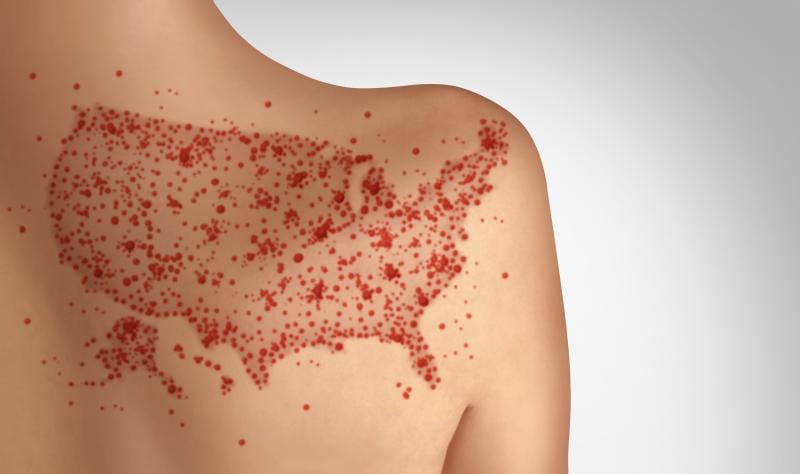
International health experts in Washington are examining genetic evidence this week to decide if the United States has lost its official measles elimination status after a surge of over 5,400 confirmed U.S. cases reported nationwide.
PAHO Deliberations in Washington
A closed-door panel convened by the Pan American Health Organization began its review on November 10 to evaluate whether the virus has spread continuously within the United States for 12 months or more. The Measles and Rubella Elimination Regional Monitoring and Re-Verification Commission, an independent technical body, is reviewing the data to determine if uninterrupted transmission has occurred.
Achieving elimination status in 2000 was a hard-fought public health milestone for the United States, following decades of vaccination campaigns that brought childhood immunization rates above 97 percent.
Mexico achieved its own elimination status in 2016 after rolling out national vaccination drives that followed the introduction of the measles vaccine in the United States in 1963. Jarbas Barbosa, a former Brazilian health official, makes the final determination on the commission’s findings, with PAHO officials scheduling an announcement of the results.
Measles Deaths Rise During Largest US Outbreak Since 1991
The current resurgence marks the largest outbreak in the United States since 1991, with cases diagnosed in nearly every state. State health departments have confirmed eight measles-associated deaths this year, including six in Pennsylvania, one in New York, and one in Wisconsin. The Centers for Disease Control and Prevention also recorded six deaths in its official tally, reflecting an update to utilize mortality data from the National Center for Health Statistics.

Trahern W. Jones, a Salt Lake City-based pediatrician, encountered measles cases in person for the first time this spring, treating or advising on more than a dozen patients and helping local doctors diagnose the virus.
Sara Lange, an obstetrician-gynecologist at Penn Highlands Healthcare in DuBois, Pennsylvania, suited up in full personal protective equipment after her emergency room admitted a woman who was 35 weeks pregnant with a possible case of measles. In Pennsylvania, at least 85 pregnant women tested positive for measles as of October.
A predictive tool developed by Johns Hopkins University researchers estimates an economic cost of nearly $83 million for the 2026 outbreaks. That figure encompasses $56 million in public health response costs, almost $25 million in lost productivity, and more than $1.8 million in direct medical expenses as local agencies race to trace contacts and coordinate vaccinations.
Additional models note that roughly 8 percent of cases have resulted in hospitalization, placing a severe financial strain on facilities needing more masks, test kits, and oxygen for the sickest patients.

Even if you don’t get the infection, the contact costs you.
Mattingly, via CNBC
Federal Officials Assist Local Departments Despite Designation Changes
Federal health leadership maintains that designation changes will not alter operational tactics on the ground. Erica Schwartz said that federal officials are actively assisting state and local departments to reach affected communities regardless of international status.
The agency’s official count differed following a modification under Health and Human Services Secretary Robert F. Kennedy Jr. to track mortality via the National Center for Health Statistics, after Kennedy had argued without evidence that certain Pennsylvania deaths might not be measles-related.
The measles elimination designation is not what protects Americans. Vaccination does. We know where transmission is occurring and we’re working with state and local health departments to reach those communities.
Erica Schwartz, via The Boston Globe
Public health specialists have faulted what they characterize as a politically fraught federal response under U.S. Health Secretary Robert F. Kennedy Jr., pointing to growing skepticism and declining kindergarten vaccination coverage, which fell to 92.5 percent nationally for the 2024–2025 school year. Analysts have also highlighted statements from federal figures questioning vaccine safety without supportive evidence, further complicating public messaging.
Countries Must Demonstrate Interrupted Transmission to Regain Status
Under regional monitoring frameworks, regaining elimination status requires a country to demonstrate at least 12 months of interrupted endemic transmission alongside a corrective action plan.
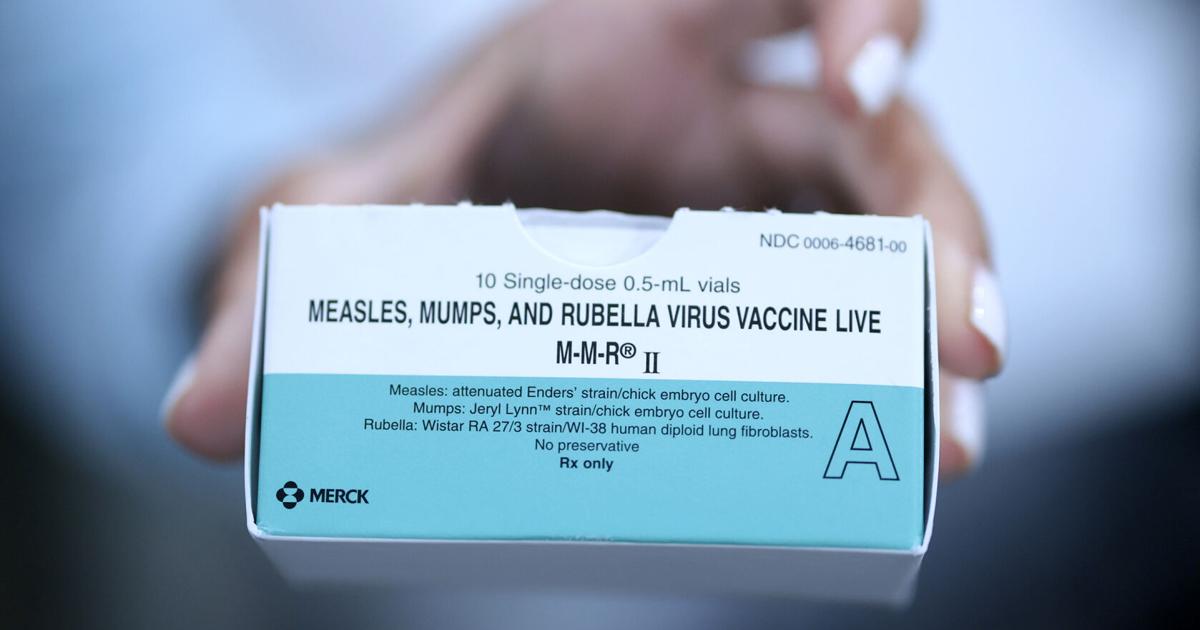
Canada lost its status after recording over 5,000 cases in a population of 40 million, while Brazil successfully regained its status in 2024 after losing it in 2019. Early in the year, the World Health Organization confirmed that Armenia, Austria, Azerbaijan, Spain, the United Kingdom, and Uzbekistan also lost their elimination status.
An announcement regarding the U.S. deliberations is expected from international health authorities.
Earlier coverage: U.S. Measles Cases Hit Highest Annual Total Since 1991, CDC Says