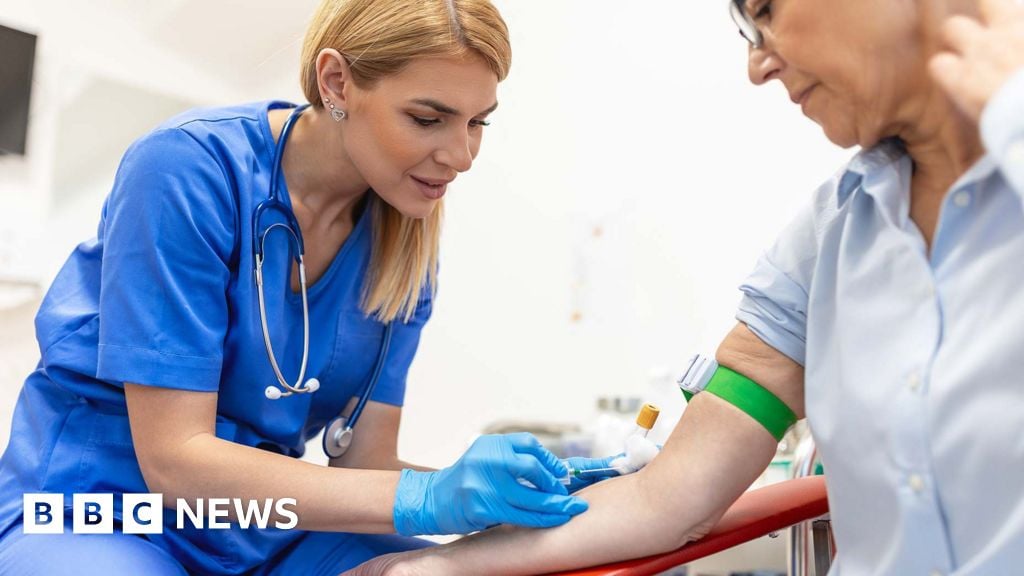
The NHS is starting a £8.49 million STRIDE‑RCT trial that will test a multi‑cancer blood test on more than 20,000 patients. The trial will run in about 200 GP surgeries across England and will include anyone aged 45 or older who presents with abdominal symptoms such as persistent bloating or pain.
NHS Launches 20,000‑Patient Trial
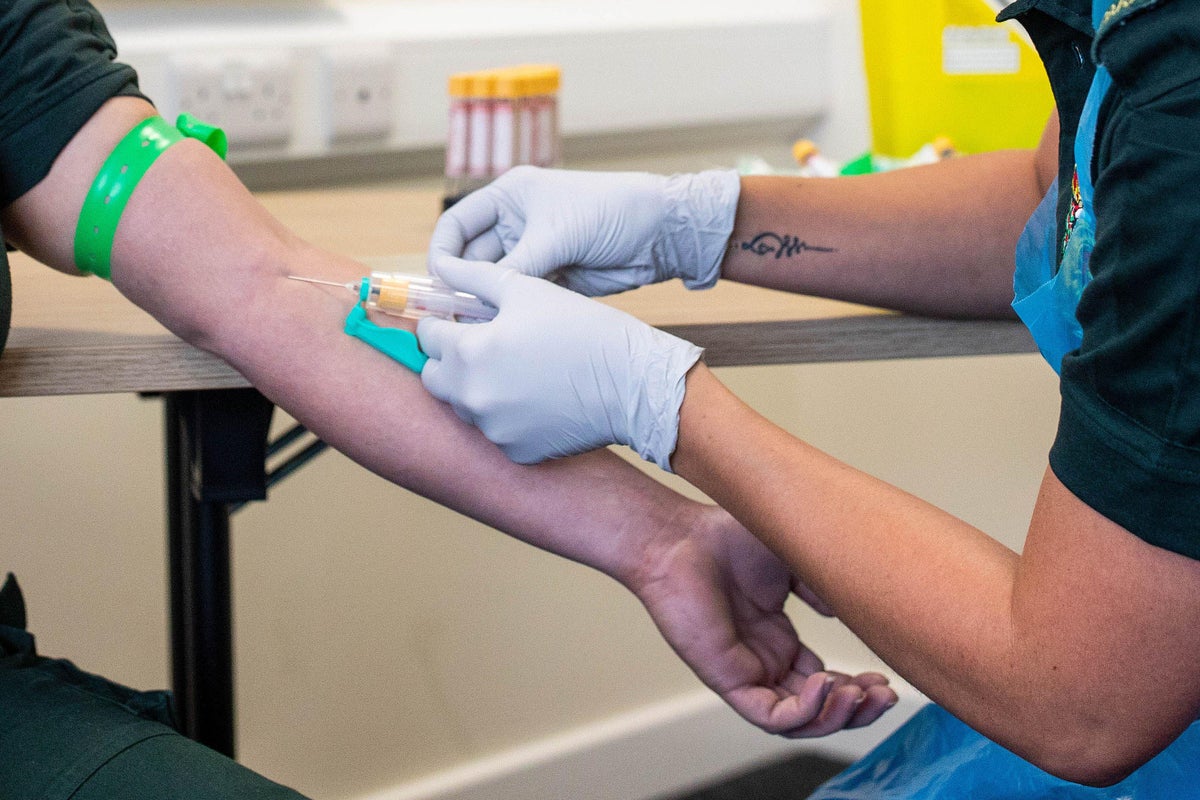
The government‑funded study will enrol more than 20,000 NHS patients who visit their GP with concerning abdominal complaints. Eligibility is limited to adults 45 years and older, and participants will give one or two extra tubes of blood alongside routine tests in a mix of inner‑city, coastal and rural practices. The trial will be conducted as a cluster‑randomised platform, meaning half of the participating surgeries will offer the blood test while the other half continue with usual care.
The study runs until the end of October 2031. Researchers will compare how often the tests correctly flag a possible cancer against clinicians’ own judgement before any nationwide rollout is considered.
Blood Tests Target Multiple Cancers
The trial will evaluate four commercial tests that analyse up to 32 biomarkers in a single blood sample. All four use a combination of protein measurement, circulating tumour DNA (ctDNA) analysis and, in the case of Halo, detection of extracellular vesicles that tend to rise in early‑stage disease.
Initially the study will compare three of these technologies, with the possibility of adding more assays later. A positive result will not itself confirm cancer, but it will prompt the GP to arrange an urgent diagnostic pathway; a negative result does not guarantee the absence of disease, and patients are advised to return if symptoms persist.
Funding and Partners Drive Trial
The £8.49 million programme is co‑funded by the National Institute for Health and Care Research (NIHR) and the Office for Life Sciences, reflecting the UK’s ambition to become a world leader in medical‑science research. The Department of Health and Social Care announced the funding alongside the NIHR, and the trial will be run from the University of Birmingham. Andrew Beggs, Samson Gamgee Chair of Surgery at the University of Birmingham, also highlighted the trial’s aim to improve conversion rates for patients with abdominal symptoms and to ease pressure on colonoscopy and CT services.
Most of the test technologies have been developed at the University of Birmingham, and the trial will therefore serve as a real‑world assessment of home‑grown MCED (multi‑cancer early detection) science before any commercial rollout.
Leaders React to Early Detection
notoriously difficult
Professor Peter Johnson, NHS England’s national clinical director for cancer
GPs have long needed better tools to help them navigate that uncertainty by identifying which patients require further testing and this trial in England is an important step towards addressing that need.
Michelle Mitchell, chief executive of Cancer Research UK
The earlier cancers are diagnosed, the more chance they can be successfully treated, and lives can be saved.
Yvette Cooper, Secretary of State for Health and Social Care
A way to accurately triage suspected cancer patients right at the start of the pathway could be transformational to patient outcomes and capacity management in NHS services,
James Frith, Health Minister (PA)
What this means is that the blood tests could help earlier diagnose and put patient on the relevant pathway, or discount it and get the peace of mind that it isn’t cancer.
James Frith, Health Minister (PA)
It is vital that we gather the evidence about these new technologies and I am grateful to everyone taking part in this research.
Professor Peter Johnson, NHS national clinical director for cancer
The findings will be valuable in guiding further research, including whether these tests could be used in the NHS.
Professor Peter Johnson, NHS national clinical director for cancer
revolution in cancer diagnosis
Professor Peter Johnson, NHS national clinical director for cancer
Health Minister James Frith told LBC Radio that the trial is an exciting and world‑first major trial for earlier diagnoses for abdominal cancers, which are notoriously hard to spot, very often because their symptoms can be misread as something else.
He added that the ability to rule out cancer early could give patients “peace of mind” and free up diagnostic capacity for those who truly need it.
Abdominal Cancer Claims Thousands of Lives
Approximately 71,000 people in England are diagnosed each year with pancreatic, stomach, liver, ovarian or bowel cancer, and these cancers together cause almost 35,000 deaths annually. Survival varies dramatically by stage: about nine in ten people diagnosed with bowel cancer at stage 1 survive at least five years, compared with roughly one in ten at stage 4. Earlier detection therefore has the potential to shift many patients from late‑stage disease to a curable early stage.

A previous NHS‑funded trial of the Galleri multi‑cancer early detection test did not meet its primary objective of reducing late‑stage diagnoses, underscoring the need for additional evidence on the clinical utility of blood‑based screening. The STRIDE‑RCT study is therefore positioned as a “world‑first” effort to generate robust data on whether blood tests can reliably triage patients in primary care.
Trial Runs to 2031
The cluster‑randomised trial will run until the end of October 2031, with half of the participating practices offering the blood test alongside standard care and the other half providing usual care only. Researchers hope the results will show whether the technology can reliably triage patients, reduce unnecessary urgent referrals and ultimately support a wider NHS rollout. The trial will also assess whether the tests can help lower the number of unnecessary hospital referrals while ensuring that patients with serious disease receive timely investigations.
Findings from STRIDE‑RCT will be used to decide if the assays merit national adoption, and the data will inform future research on multi‑cancer early detection technologies across the NHS. Patients who are concerned about persistent or unexplained symptoms are still advised to contact their GP directly, rather than wait for the trial results.