British sporting organizations face rising financial and operational threats from climate volatility
British sport is facing a growing threat from climate change that is damaging facilities, disrupting fixtures, and driving up operational costs, according to a new report by the British Association for Sustainable Sport (BASIS).
The findings show the sporting infrastructure was built for weather conditions that no longer exist. Every organization surveyed in the report reported being affected by extreme weather in 2026, with 94% stating the sector is under-prepared for the shifting climate. While the impact is being felt from Premier League stadiums down to grassroots playing fields, a significant gap remains in front-office transparency. A separate review of professional club disclosures revealed that only nine organizations had explicitly identified climate or extreme weather as a formal business risk.
“Sport is already paying the price for climate change through damaged grounds, rising insurance costs, lost match-day income and lost opportunities for people to be active,” BASIS founder Russell Seymour said in the report. “The game has changed. Extreme weather is no longer a series of isolated disruptions; it is a material, recurring and intensifying business risk.”
Flood risks and rising insurance costs threaten club solvency
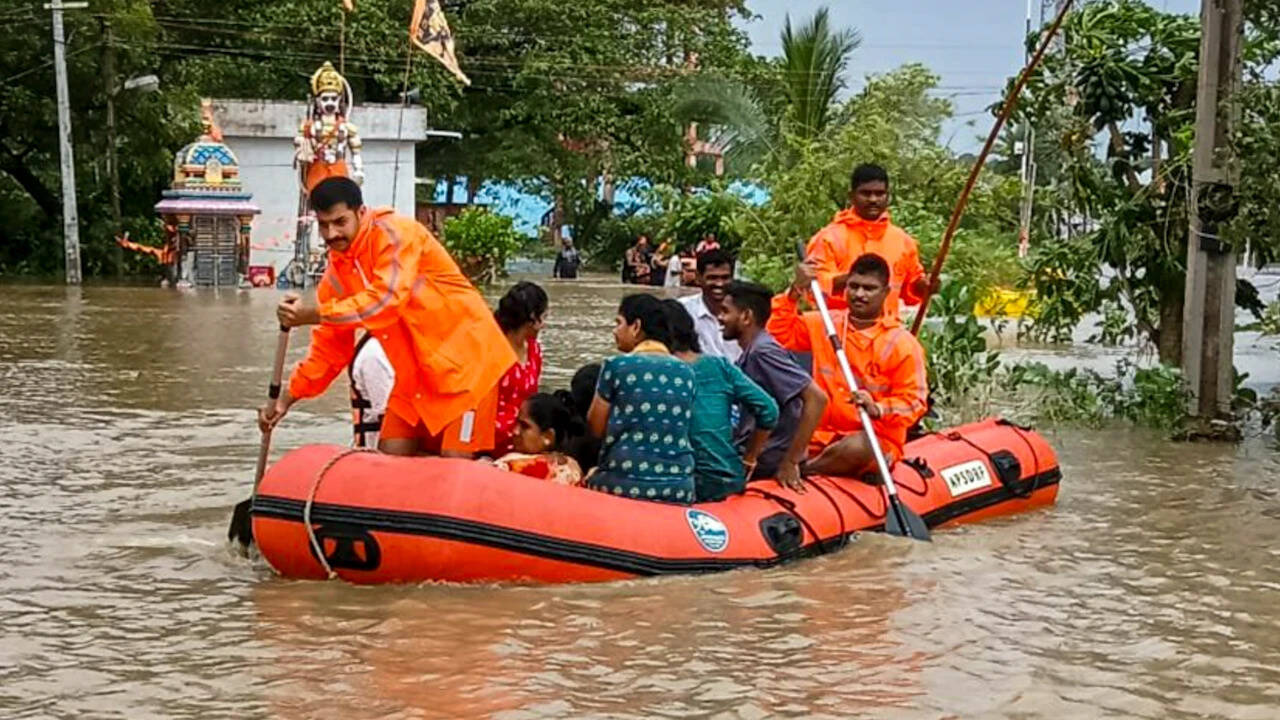
The financial implications of these environmental shifts are becoming increasingly material for both elite and lower-league institutions. Among more than 200 clubs, venues, and governing bodies surveyed, 86% reported being affected by extreme heat, while 78% reported impacts from drought. Storm damage affected 31% of respondents, and 28% cited flooding as a primary concern.
| Club / Organization | Reported Financial or Operational Impact |
|---|---|
| AFC Wimbledon | Nearly £900,000 ($1.2 million) in stadium flood costs in 2025 accounts |
| Manchester United | Warned investors of potential property damage and uninsurable match-day losses |
| Carlisle United | Reported that flood insurance for Brunton Park is becoming increasingly unaffordable |
| Worcestershire County Cricket Club | Ongoing questions regarding the long-term viability of the flood‑prone New Road ground |
The scale of the risk varies by the depth of the organization’s resources. While Manchester United has proactively warned investors that extreme weather could disrupt operations and cause losses not fully covered by insurance, the report notes that smaller, less financially resilient clubs cannot afford to treat these risks as peripheral.
Volatile weather reshapes competition schedules and player welfare
Beyond the immediate damage to physical assets, volatile weather is actively reshaping competition schedules and player welfare protocols. Research cited by BASIS identified at least 118 weather-related postponements across the top six tiers of English men’s football between the 2021-22 and 2025-26 seasons. These cancellations disproportionately affect lower-league and non-league clubs, where rearranged matches often lead to lower attendances and reduced revenue for teams operating on razor‑thin margins.
The 2026 summer, characterized by long, hot, and exceptionally dry conditions, forced unprecedented decisions in the rugby community. The Rugby Football Union (RFU) postponed the start of the community rugby season in September due to concerns over player welfare and the condition of rock‑hard pitches.
The crisis affects public health and participation levels. Sport England found that nearly three‑quarters of people affected by the unprecedented heatwaves this year participated in less sport and physical activity. To address these systemic vulnerabilities, the BASIS report called for climate resilience to become a boardroom priority, suggesting the implementation of dedicated adaptation plans and the creation of a £30 million annual fund to protect grassroots facilities from volatile weather.
“The game has changed,” Seymour noted, emphasizing that the era of viewing weather as an isolated disruption is over.
Disclaimer: The analytical insights and data provided in this article are for informational and entertainment purposes only and do not constitute medical advice or sports betting recommendations.