Sterling has climbed to its highest overall level against a basket of major currencies since the June 2016 Brexit referendum. The rise comes as markets anticipate an upcoming interest rate hike from the Bank of England, a move that could potentially help rein in inflation and increase consumer buying power for holidays and imports.
According to Bank of England figures, the most-watched measure of the British currency reached a value of 86.4 on an index where 100 represents the 2005 value. This marks the currency’s joint highest level against a basket of 18 main global currencies since the referendum. By 05:09 ET on Tuesday, sterling was trading at $1.3441, while the euro stood at $1.1187.
Bank of England Interest Rate Hikes Drive Pound Rise
The rise in the pound is ahead of an expected rise in interest rates by the Bank of England’s nine member Monetary Policy Committee. The committee faces an important decision this Thursday, with a quarter-point increase to 4% widely anticipated. This would represent the first interest rate hike in more than three years, following the last increase in August 2023. The rate outlook has been sharpened by a recent budget from finance minister John Healey, which drew little reaction from the currency or gilts.

Economists suggest that high energy prices may leave the central bank with no alternative but to raise rates. While UK growth has outperformed forecasts so far this year, there are indications that rising fuel and energy costs have impacted consumer confidence. ING economists James Smith and Michiel Tukker noted that the view of high energy prices leaves the Bank of England with little choice but to hike rates, expecting a 7-2 split vote on the decision.
Historical Context and Market Stability
The currency’s value fell sharply following the 2016 Brexit vote and hit further lows during the subsequent Brexit process, the Covid pandemic, and the 2022 mini-Budget.
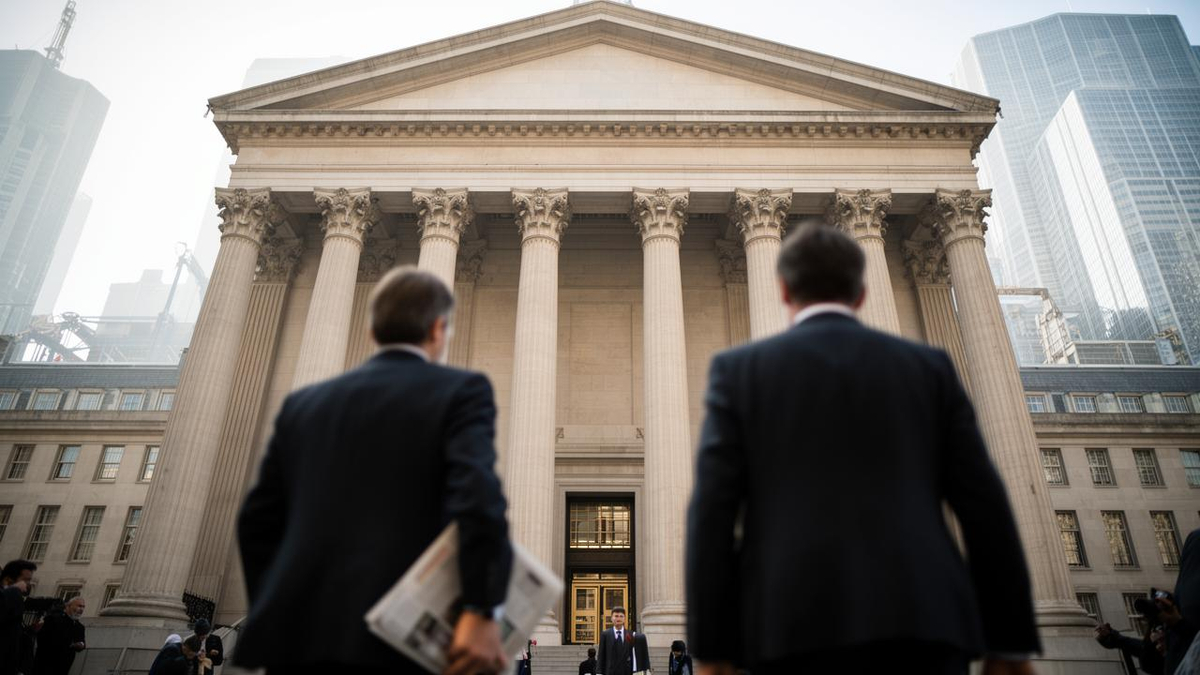
Some traders suggest the UK is now being viewed through a lens of relative political stability, solid growth, and rapprochement with the European Union. Jim O’Neill, an economist and former Treasury minister, remarked, I’m not surprised. People were, and to a lesser extent, are, underestimating the improving momentum in the UK.
Upcoming Economic Indicators
As the Bank of England prepares to officially confirm its currency calculations on Thursday, market participants are watching for the results of the interest rate decision. While money markets are currently pricing in four quarter-point increases by next September, the trajectory of UK inflation remains a key factor, with ING projecting it could climb past 4% early next year from its current 3.5%.
Analysts Project Pound Strength Against the Dollar
For the pound, the consensus projects GBP/USD at 1.33 in the fourth quarter and 1.34 in the first quarter of 2027. Regarding technical movements, March British pound futures have recently hit a six-week high, presenting a buying opportunity if prices move above the 1.3450 resistance level toward an objective of 1.3700. Support for these futures is located at 1.3340.