Adults and children aged 8 and older in Spain await the potential short-term approval of teplizumab, an intravenous biological therapy designed to delay type 1 diabetes in presymptomatic patients.
The European Commission previously authorized the monoclonal antibody. The drug targets CD3 molecules on the surface of specific T lymphocytes to slow the autoimmune destruction of insulin-producing beta cells in the pancreas. This intervention allows eligible people to preserve endogenous insulin production before they require daily clinical insulin therapy.
Therapeutic Delay Benefits
Administering the treatment to presymptomatic patients delays the onset of the disease by roughly three to four years. Early intervention yields long-term physiological returns through metabolic memory.
Dr. Antonio Pérez, former president of the Foundation of the Spanish Society of Diabetes (FSED), said early glycemic control creates dividends ten to fifteen years after the initial diagnosis period.
If I do things right now, I will have returns starting from 10 to 15 years onwards.
Dr. Antonio Pérez, former president of the Foundation of the Spanish Society of Diabetes
This legacy effect connects early blood sugar regulation to a reduced risk of microvascular and macrovascular complications later in life. Untreated early hyperglycemia damages the vascular endothelium through epigenetic alterations.
Detecting Autoantibodies During Presymptomatic Stages
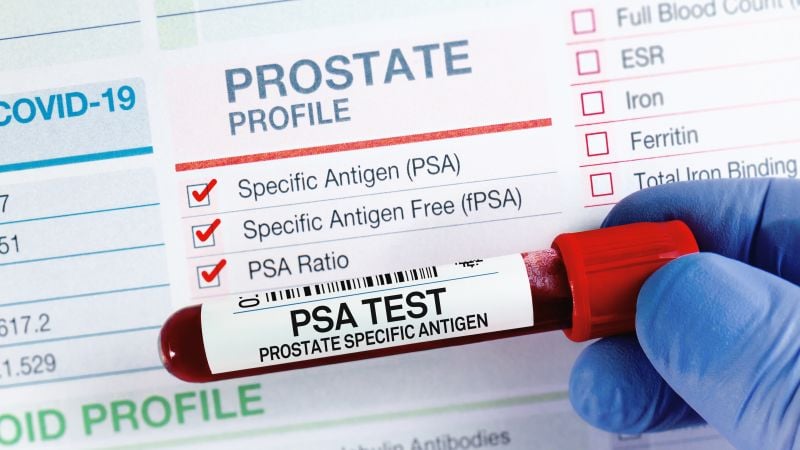
Identifying candidates requires detecting the condition during its presymptomatic phases. Medical centers offer screening tests, including blood work to identify autoantibodies associated with the disease, in people with a family history.
The progression of type 1 diabetes unfolds across three distinct stages:
- Estadio 1: Detection of two or more diabetes-related autoantibodies while glucose levels remain normal and symptoms are absent.
- Estadio 2: Presence of autoantibodies alongside initial glucose alterations that fall short of clinical diagnostic thresholds.
- Estadio 3: Onset of clinical diabetes requiring standard intervention.
Institutions must establish strict clinical protocols because the therapy requires intravenous hospital administration. Dr. Jesús Blanco, an endocrinologist at barnaclínic+, said the biological treatment can modulate the natural history of the autoimmune condition.
For the first time we can manage to modulate the natural history of type one diabetes.
Dr. Jesús Blanco, endocrinologist at barnaclínic+
Medical teams must evaluate patient eligibility and monitor adverse events such as transient lymphocyte depletion, flu-like symptoms, and hepatic alterations during and after administration.
Primary Care Manages Most Type 2 Diabetes Cases
Specialized hospitals handle biologic infusions. Primary care handles eighty percent of type 2 diabetes care nationwide, functioning as a pillar of the national health system, Pérez said.
Clear communication ensures people understand that local primary care support does not limit their access to hospital specialists or specialized testing. At the same time, patient advocacy groups emphasize systemic gaps in education and resource allocation.