Victorian Court of Appeal Sets Aside Non-Parole Period
“This offending was extraordinarily cold and calculated, and stands to be denounced in the strongest terms,” Justice Stephen McLeish stated as the Victorian Court of Appeal delivered its final judgment. Erin Patterson, the 52-year-old Australian woman convicted in the high-profile 2023 poisoning deaths of three family members, will die in prison after losing her appeal and receiving a harsher sentence.
Clad in a royal blue jumper with her hair in a ponytail and wearing glasses, Patterson watched the proceedings via a video link from the Dame Phyllis Frost Centre, 1News reported. She displayed no visible reaction as the court dismissed her attempt to overturn her murder and attempted murder convictions.
Instead of maintaining her original sentence, the three-judge panel consisting of Justices Stephen McLeish, Lesley Taylor, and Peter Kidd granted a prosecution appeal. They removed her minimum 33-year non-parole period entirely. The ruling makes Patterson only the second woman in Australian history to be sentenced to life without the possibility of parole, following Katherine Knight in 2001.
The case stems from a July 2023 lunch at Patterson’s home in Leongatha, a regional town in Victoria. Patterson served individual beef Wellingtons laced with toxic death cap mushrooms to her former in-laws, Don and Gail Patterson, both 70, alongside Gail’s sister Heather Wilkinson, 66, and Heather’s husband, Ian Wilkinson. Don, Gail, and Heather died within days from organ failure, while Ian Wilkinson fell seriously ill but survived.

Legal Arguments and Appeal Grounds Dismissed
During her appeal hearing, Patterson’s defense counsel argued that she had suffered a substantial miscarriage of justice during her 10-week trial in Morwell. Lawyers pointed to what they termed a catastrophic decision to sequester jurors in the same hotel used by the lead detective and prosecution members. They also challenged what they described as an unfair and oppressive cross-examination by prosecutor Nanette Rogers KC.
Additional grounds raised by the defense included the trial judge’s exclusion of photos of death cap mushrooms found on an SD card at Patterson’s home—a decision her lawyers claimed effectively forced her to testify and surrender her right to silence. The defense also contested the admission of Facebook testimony from acquaintances regarding her history of foraging and hiding mushrooms in food.
The Court of Appeal rejected these arguments, finding that the trial’s legal grounds were not made out and that Patterson did not suffer a miscarriage of justice. According to The Conversation, the court noted that the High Court of Australia does not hear every case and that any application for special leave to appeal must be filed by November 27.
Appellate Justices Lengthen Sentence for Sustained Murderous Intent
While Victoria’s Director of Public Prosecutions, Brendan Kissane KC, successfully defended the underlying convictions against the defense’s challenges, he also argued that the initial 33-year non-parole period was manifestly inadequate given the gravity of the crimes. The appellate justices agreed.
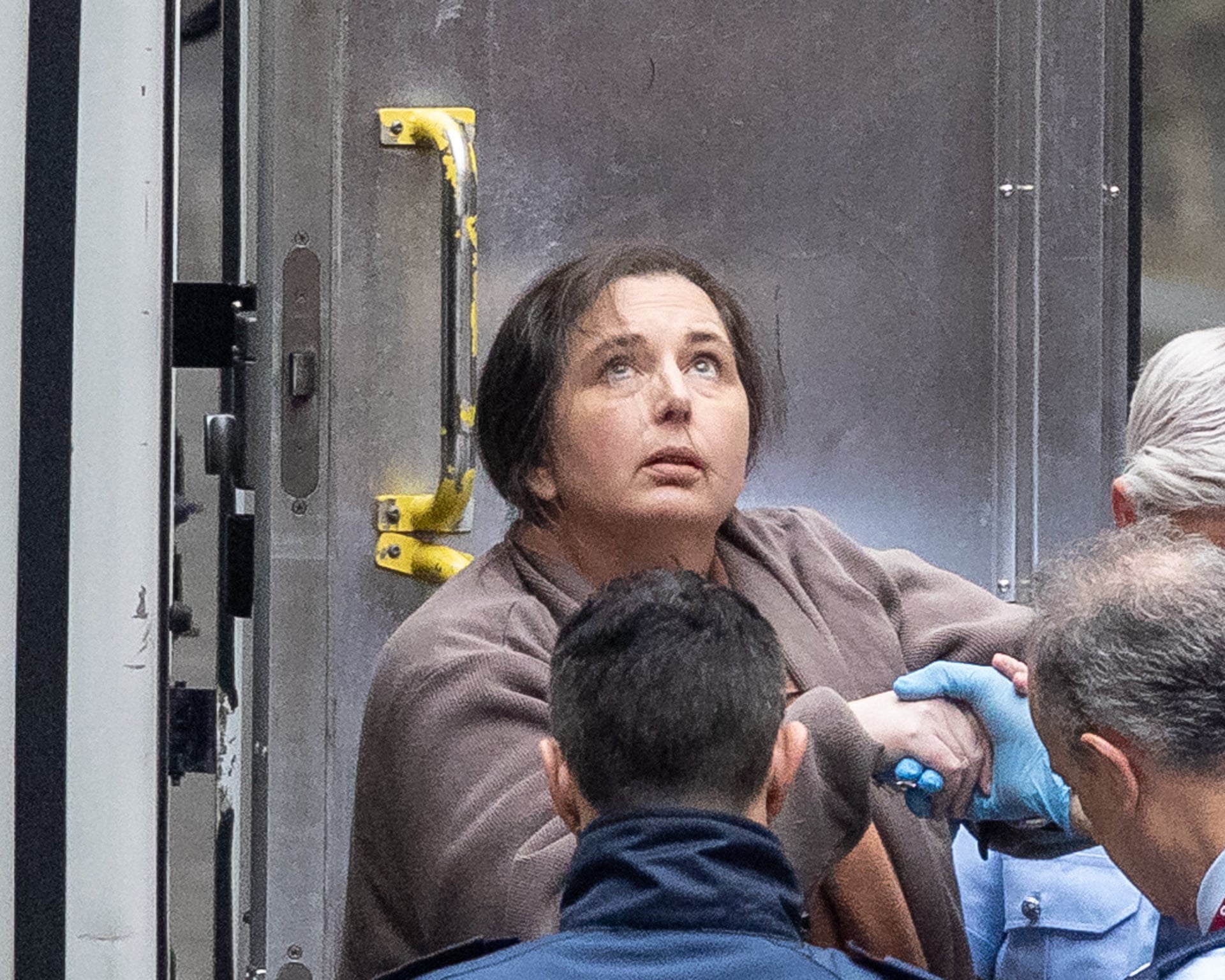
Justice McLeish noted that Patterson’s murderous intent was sustained for nearly three weeks, beginning from the initial invitations to lunch and persisting through the preparation and execution of the meal, as well as the subsequent weeks of deception. The court highlighted her elaborate series of false claims, including fabricating a cancer diagnosis to explain the absence of her children, denying that she had foraged for mushrooms, and destroying evidence while her victims suffered.
The judges characterized the actions as a cruel breach of trust directed at members of her extended family. “This is a case of such shocking criminality that it is inappropriate to fix a non-parole period,” the bench concluded.
Patterson now faces 28 days to decide whether to challenge the ruling before the High Court of Australia. If she lets the deadline pass or is denied special leave, the decision is final, and she will spend the remainder of her life incarcerated without parole.