Israel’s 2026 national election has ended in stark legislative deadlock, leaving Prime Minister Benjamin Netanyahu’s right-wing bloc with 53 seats in the 120-member Knesset against 48 seats for his chief rival, Gadi Eisenkot, according to final results published by the Central Elections Committee.
Likud Wins Most Seats as Voter Turnout Hits Record High
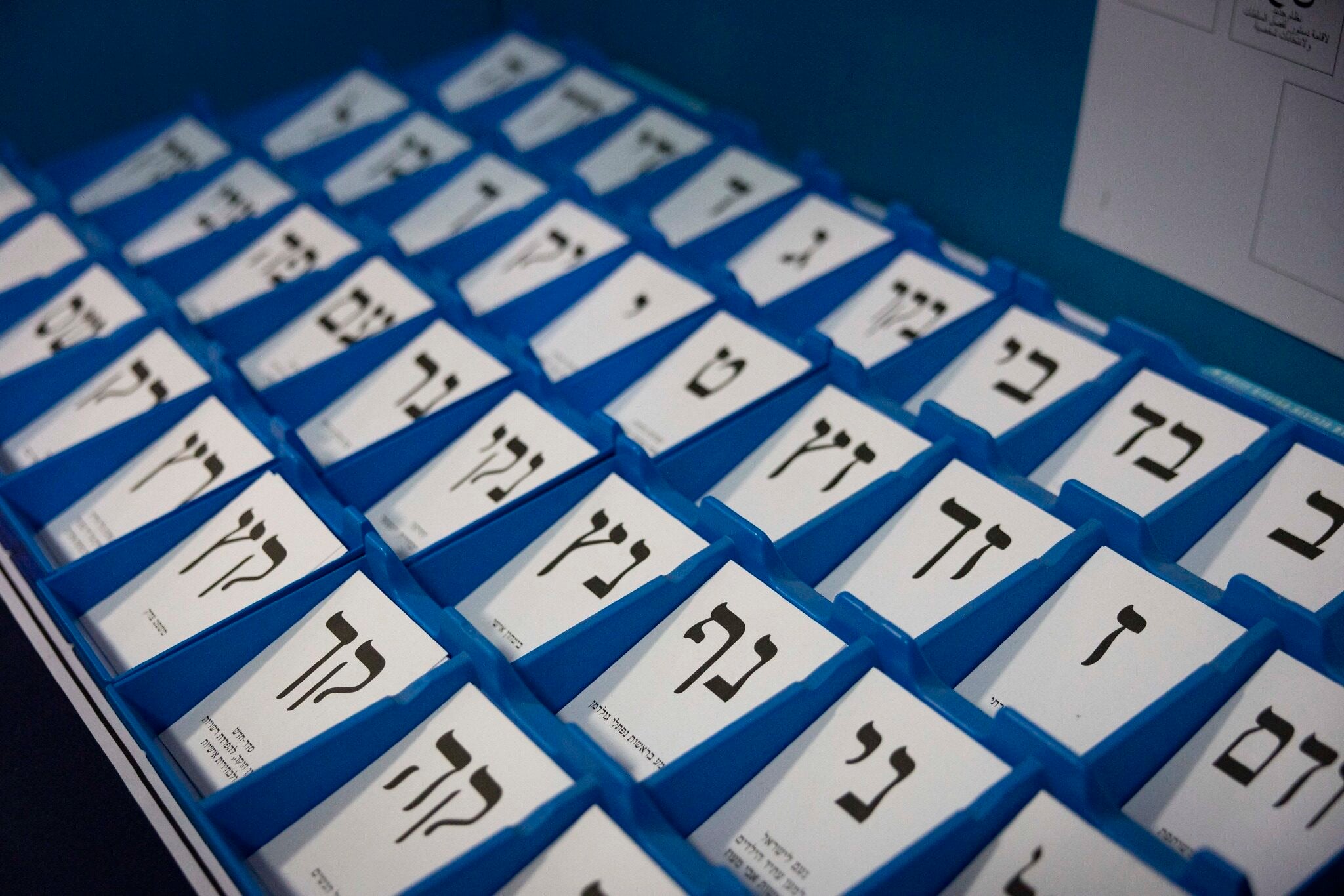
The final tally released in the early hours of Friday morning revealed a dramatic reshaping of Israel's parliament. With voter turnout reaching a multi-decade high of 77.9%—translating to 5,716,665 cast ballots—voters flocked to the polls following years of severe political instability, which included five elections between 2019 and 2022. An estimated 80,000 Israeli citizens flew back from abroad to participate in the high-stakes vote.
The final distribution of seats grants Likud 27 seats, cementing its place as the largest party in the next Knesset. The broader pro-Netanyahu bloc—comprising right-wing, far-right, and ultra-Orthodox parties—dropped from 68 seats in the outgoing Knesset down to 53. Meanwhile, Eisenkot’s anti-Netanyahu bloc secured 48 seats. Arab-led factions captured an all-time high of 19 seats, nearly doubling their previous representation and positioning themselves as potential kingmakers in the looming coalition negotiations.
| Political Party / Faction | Seats Won |
|---|---|
| Likud | 27 |
| Yashar | 21 |
| B’Yachad | 12 |
| Joint List | 11 |
| The Democrats | 8 |
| Ra’am | 8 |
| Yisrael Beytenu | 7 |
| United Torah Judaism | 7 |
| Otzma Yehudit | 7 |
| Shas | 6 |
| Religious Zionism | 6 |
The Times of Israel noted that minor factions such as Yoaz Hendel’s Reservists-Economic party (2.63%), Ofer Winter’s People of Israel (1.7%), and The Charedi Public (0.2%) all failed to clear the 3.25% electoral threshold.
Allegations of Interference and Foreign Policy Friction
The Central Elections Committee announced that its chairman, Supreme Court Justice Noam Sohlberg, received reports of “serious suspicions” regarding potential foreign interference in the voting within the Arab sector. Sohlberg referred the unverified claims to the Shin Bet security agency for investigation.
Netanyahu’s party seized on the development with severe rhetoric. In an inflammatory statement, Likud declared, “The elections in Israel have been stolen!” alleging an effort to facilitate a “foreign takeover of the Knesset, the Islamisation of Israel and toppling of the right wing government.” Israeli media outlets pointed toward Qatar as the alleged foreign entity, prompting a swift denial from Doha labeling the claims “ridiculous and dangerous.”
“The elections in Israel have been stolen!”
— Likud party statement
Dean Livne, acting director general of the election commission, issued a video statement clarifying that the ongoing intelligence-based probe was “entirely unfounded” regarding the integrity of the overall vote count and would not alter the final results submitted to the president.
Eisenkot forcefully dismissed Likud’s allegations, telling supporters that Netanyahu’s camp was attempting to delegitimise the outcome because they fell short of a majority. In a tongue-in-cheek reaction, Eisenkot remarked, “I welcome the fact that Netanyahu is finally condemning Qatari involvement in the State of Israel,” alluding to long-standing accusations regarding Netanyahu’s past political financing.
The Road to Government Formation
With neither bloc reaching the 61 seats required for a parliamentary majority, the political initiative now moves to President Isaac Herzog. Herzog will formally receive the certified election results on Wednesday and subsequently consult with party leaders before nominating the candidate he deems most capable of assembling a governing coalition.
Prime Minister Benjamin Netanyahu and rival Gadi Eisenkot offered competing claims to lead Israel after the October 27 election, with Netanyahu calling for a right-wing government and Eisenkot saying voters had rejected the longtime Israeli leader, even as exit polls left their…
While a unity government involving Likud, Eisenkot’s Yashar, Naftali Bennett’s Together faction, and Avigdor Lieberman’s Yisrael Beytenu theoretically could command 66 seats, deep ideological divides and the opposition’s campaign pledges to oust Netanyahu make such an arrangement unlikely. Alternatively, the anti-Netanyahu bloc could attempt to form a minority government backed externally by Arab-led parties, though historical precedent shows most Jewish political leaders have strictly avoided formal alliances with Arab factions.
As Israel stands on the precipice of prolonged political maneuvering, Netanyahu remains caretaker prime minister while the country manages deep domestic polarization and high-stakes regional security challenges.