The Numbers That Define Tennessee’s Heated Race
As election day arrives in Tennessee, nearly 1.3 million voters have already cast their ballots, setting the stage for what polls indicate is a fiercely contested race to lead the state. According to reporting by fox17.com, early voting concluded this past Thursday, capturing more than 26 percent of all registered voters across the state.
That early turnout figure sits above the participation rate seen in the 2022 mid-term, yet trails the 2018 governor’s race by about 9 percent. Now, the outcome hinges on Tuesday’s final in-person turnout, where voters will choose among GOP nominee Marsha Blackburn, Democratic nominee Jerri Green, and independent candidates Dave Hatley and Lauran Pinkston.
Blackburn Sees Polling Support Drop Significantly
A poll released a week prior by the Hatley campaign showed Blackburn holding 34.5 percent of the vote, with Green at 30.1 percent, Hatley at 26.5 percent, and Pinkston capturing 3 percent. These tightening figures reflect a race that has shifted significantly since Blackburn first launched her campaign. As a former state lawmaker and congresswoman who became Tennessee’s first female U.S. Senator in 2019, Blackburn opened as the clear frontrunner with numbers initially polling in the 60 percent range. Over the past year, however, her standing in internal polling has dipped below 44 percent.
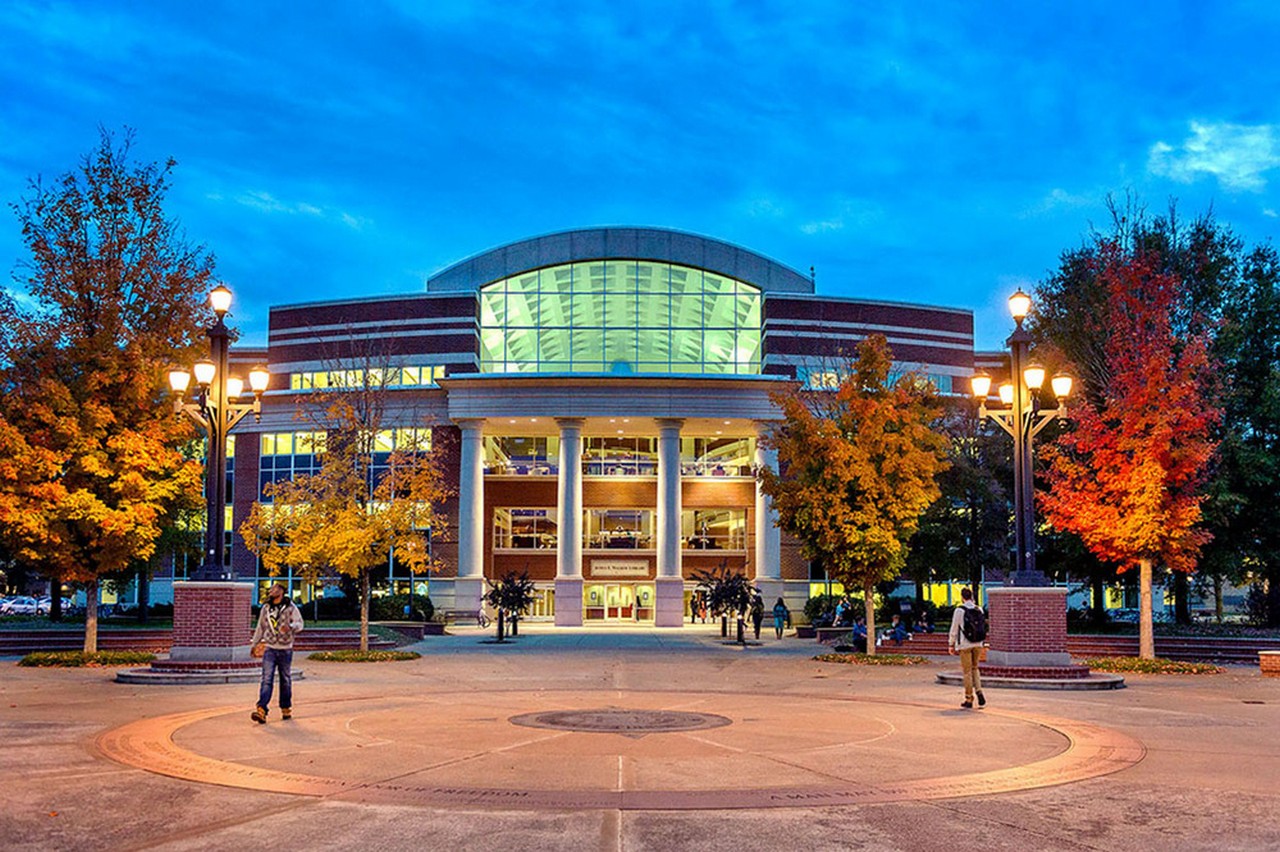
That shift has altered campaign dynamics. Blackburn declined to participate in debates or multi-candidate forums, including the Tennessee Press Association forum held last week in Murfreesboro at Middle Tennessee State University. While challengers criticized her absence, conservative commentator Megan Lee Podsiedlik, who covers Nashville and Tennessee politics for The Pamphleteer, pointed out the unique strategic math of a high-name-recognition frontrunner.
“She needs to ignite the base and and not showing up, maybe to this type of thing might not matter to the base, but she does have to show up for her base. And so that’s really I think what’s going to make this election,” Podsiedlik told fox17.com.
Luis Mata, Deputy Executive Director of the Tennessee Democratic Party, argued on an episode of Nashville in Focus that the tight margin signals that voters are ready for a change after nearly two decades of Republican control.
The Financial Factors Shaping the Final Days
Financial backing has increasingly become a focal point of the final stretch. Independent candidate Dave Hatley, a Johnson City businessman, has self-funded roughly $12 million into his campaign while rejecting outside donations and special interest money. Blackburn’s campaign has heavily targeted Hatley in recent advertisements, viewing his candidacy as a potential spoiler that could draw conservative votes away from the GOP nominee and clear a path for Green.
Outside spending has also surged as national organizations step in. Longtime conservative commentator Steve Gill, publisher of Tristardaily.com, highlighted the significance of late financial commitments.
“The best poll right now is the Republican Governors Association has just dumped $2 million in to try and save Marsha. They have polls, they have data. They’re not putting $2 million in it in the last week because they think she’s safe,” Gill said to fox17.com.
With polls open from 7 a.m. to 7 p.m. on Tuesday, the remaining question centers purely on mobilization. As Jasper Hendricks, a Democratic strategist and policy advisor to Tennessee House Minority Leader Rep. Karen Camper of Memphis, noted, the outcome ultimately rests on ground game execution. It is down to which campaign successfully turns out its voters on election day.