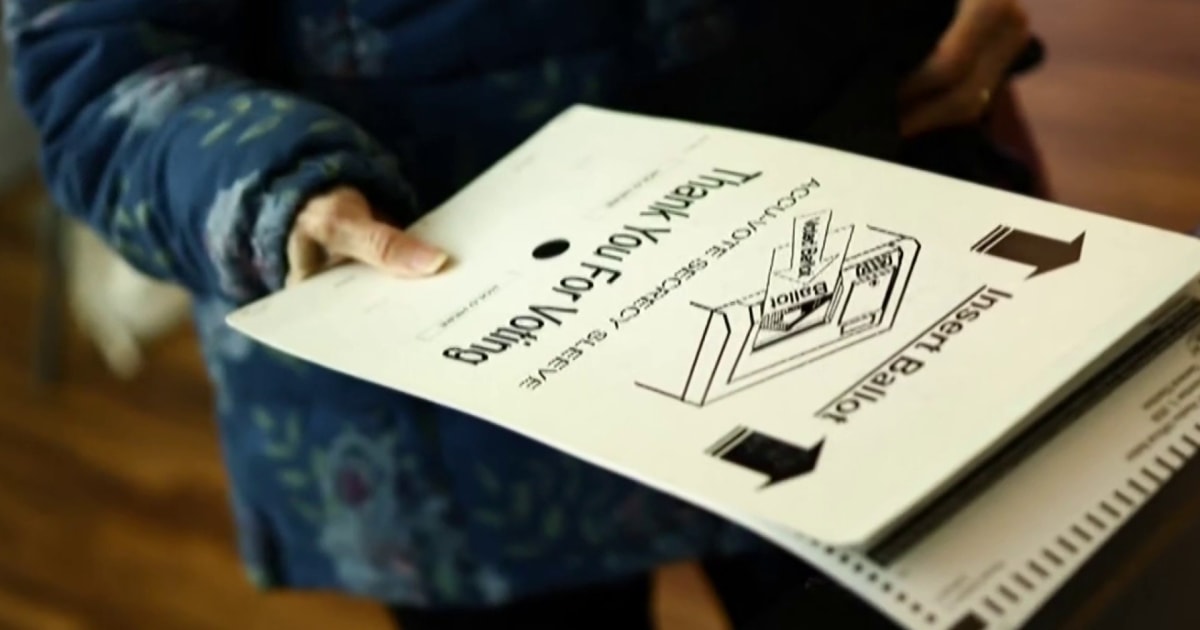
Alaska remains one of two states yet to finalize its Senate race results as of November 5, 2026. The delay is primarily driven by the state’s expansive geography, a 15-day window for accepting overseas ballots, and the complexities of tabulating results under Alaska’s ranked-choice voting system.
As the rest of the nation moves past the initial wave of midterm reporting, Alaska stands in a state of suspended animation. With control of the Senate potentially hinging on the outcome, the national attention on the state has intensified.
Why does the geography of Alaska dictate the timeline?
Alaska is not like other states when it comes to logistics. Derek Tisler, counsel with the Brennan Center’s Elections and Government Program, explained that the state’s remote, expansive geography creates hurdles that simply do not exist elsewhere. Because ballots must be transported from some of the most isolated communities in the United States, the state provides a generous cushion to ensure every vote is accounted for. Alaska law allows 10 days for ballots postmarked within the U.S. to arrive and up to 15 days for those mailed from overseas. This means that, by design, a definitive result cannot be reached until that window closes.

How does ranked-choice voting affect the final outcome?
Beyond the logistics of mail delivery, the math itself is different. Alaska employs a ranked-choice voting system, which requires a specific tallying process if no candidate secures more than 50% of the vote on the first ballot. If that threshold is not met, the state must undergo a redistribution of preferences. Voters in Alaska are not limited to an either-or choice; instead, they list candidates in order of preference.
What is the status of the legal challenges?
The Senate race has faced intense scrutiny regarding the ballot itself. President Trump has publicly acknowledged directing the Justice Department to intervene in the race, citing confusion caused by two men named Dan Sullivan appearing on the ticket. The incumbent, Senator Dan S. Sullivan, is a Republican, while the other candidate is a former fifth-grade teacher named Dan J. Sullivan. Despite the Alaska Supreme Court ruling that both men could remain on the ballot—with the incumbent labeled as a registered Republican and the incumbent—the state has seen lawsuits, criminal investigations, and threats to block certification of the election if the incumbent is defeated.
During a discussion with Florida Ron DeSantis, President Trump remarked, I’m the one that said do it,
regarding the Justice Department’s involvement. Trump has frequently referred to Dan J. Sullivan as the fake
candidate during rallies, claiming the strategy was designed to confuse voters. This federal push comes despite Attorney General Todd Blanche previously stating that Justice Department intervention would only occur in an end-of-the-world scenario.
Alaska Governor Mike Dunleavy has also launched an investigation into whether Democrats sought to confuse voters. Dunleavy told NewsNation that if the probe finds wrongdoing,
then certification of the Senate race results could be stopped or changed.
Can state officials legally block certification?
Election law experts remain skeptical of such a move. While Alaska law does provide a pathway for a defeated candidate to contest an election based on allegations of misconduct, fraud or corruption, legal scholars like Derek Muller of Notre Dame have pointed out that this is a high bar to clear. It is a distinct, formal process that differs significantly from other government processes.
For those watching the composition of the Senate, the wait is a test of patience. The outcome remains in flux until the official canvass is complete and the final preferences are tabulated. Until those 15 days pass, the state continues to process ballots, adhering to the statutes that govern one of the most unique voting systems in the country.



