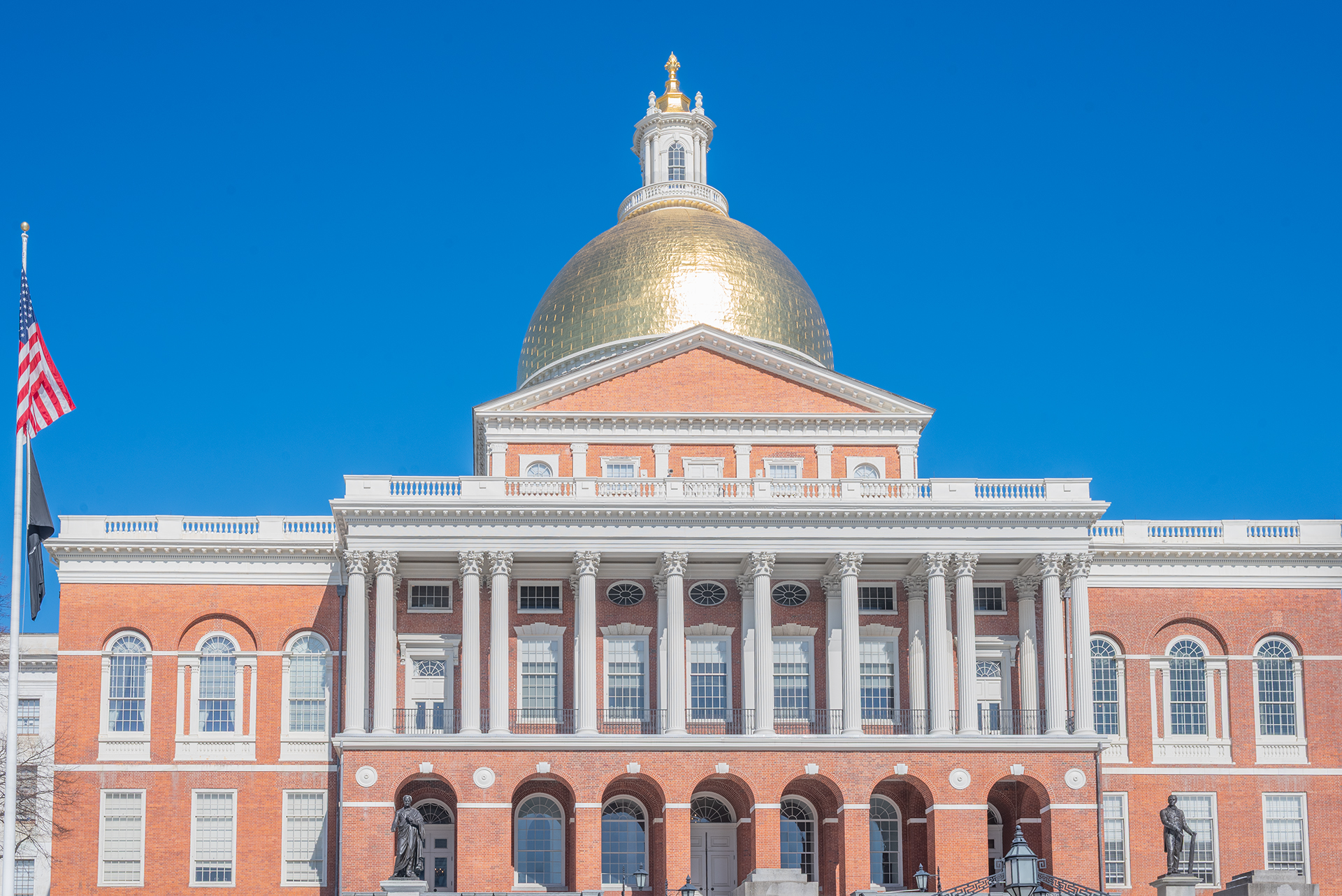
The Legislative Showdown Over Massachusetts Transparency
Massachusetts voters delivered a resounding mandate for government reform in the November election, with 86% of the statewide electorate and 81.6% of voters in New Bedford casting ballots in favor of Question 1. This ballot measure, championed by State Auditor Diana DiZoglio, is set to bring the Legislature and the governor’s office under the state’s public records law starting January 1, 2027. Yet, as the calendar turns toward that deadline, the path to implementation is anything but clear. Beacon Hill is currently in a legislative stalemate, with two competing bills sitting in a House-Senate conference committee that could fundamentally alter—or outright roll back—the transparency requirements voters just approved.
The core of the tension lies in the fact that Massachusetts has long been the only state where the Office of the Governor, the Legislature and the judiciary are all exempt from public records law. Question 1 was designed to change that. However, the Legislature is considering maneuvers to exempt itself from the new law, arguing that their own internal processes for document requests are sufficient. For a public that voted by an overwhelming margin to bring their government into the light, these legislative efforts to rewrite the rules feel like a direct challenge to the ballot box.
“Last night’s vote sends an unmistakable message to Beacon Hill — the people of Massachusetts are demanding transparency, accountability, and a government that answers to the people it serves,” said State Auditor Diana DiZoglio. “Let me be clear: lawmakers should not interpret this election as an invitation to rewrite the law to protect themselves, yet again, from the public’s mandate.”
Legislature Proposes Separate Framework Avoiding Standard Public Records Law
The House and Senate versions of the pending transparency legislation share a common theme: they avoid applying the state’s standard public records law to the Legislature. Instead, they propose a separate framework. The House approach focuses on creating a specific process for requesting “legislative records,” covering categories that are largely already public. The Senate version, meanwhile, is more structured, allowing for the withholding of communications, memoranda, and drafts related to policy development—while also introducing a “shield law” to protect journalists from being compelled to reveal confidential sources.
The legal stakes are significant. The ACLU of Massachusetts expressed concern that the ballot measure, while popular, may face constitutional hurdles that lead to expensive, case-by-case litigation over every document request. They have publicly advocated for the legislature to pass their own comprehensive records bills as a more stable alternative. Conversely, transparency advocates like Justin Silverman, executive director of the New England First Amendment Coalition, argue that the vote is a clear signal that the status quo is no longer acceptable to the people of Massachusetts.
“We don’t have all of the access and transparency necessary to make those informed decisions right now,” Silverman noted, emphasizing that the public’s desire for information about their representatives is the primary driver behind the current push. While the governor’s office has stated that “Governor Healey supported Question One and will honor the will of the voters,” the legislative branch remains divided on how to proceed.
Lawmakers Face Mounting Pressure as Effective Date Approaches
As the January 1, 2027, effective date approaches, the political pressure on Beacon Hill is mounting. State Senator Mark Montigny, D-New Bedford, has been vocal in his opposition to any attempt to weaken the voter-approved directive. Similarly, Representative Christopher Hendricks, D-New Bedford, has argued that while some of the previous, failed attempts to grant the auditor expanded powers faced constitutional flaws, the public’s demand for access cannot be ignored.
The question of whether the Legislature will embrace the spirit of Question 1 or attempt to carve out permanent exemptions remains the defining story of the upcoming session. As Jonathan Cohn, policy director for Progressive Massachusetts, observed, attempting a complete overhaul of the ballot result would be a precarious move for lawmakers given the 86% approval rate. For now, the people of Massachusetts are waiting to see if the doors to the State House will truly open, or if the legislative process will find a way to keep the shades drawn.


