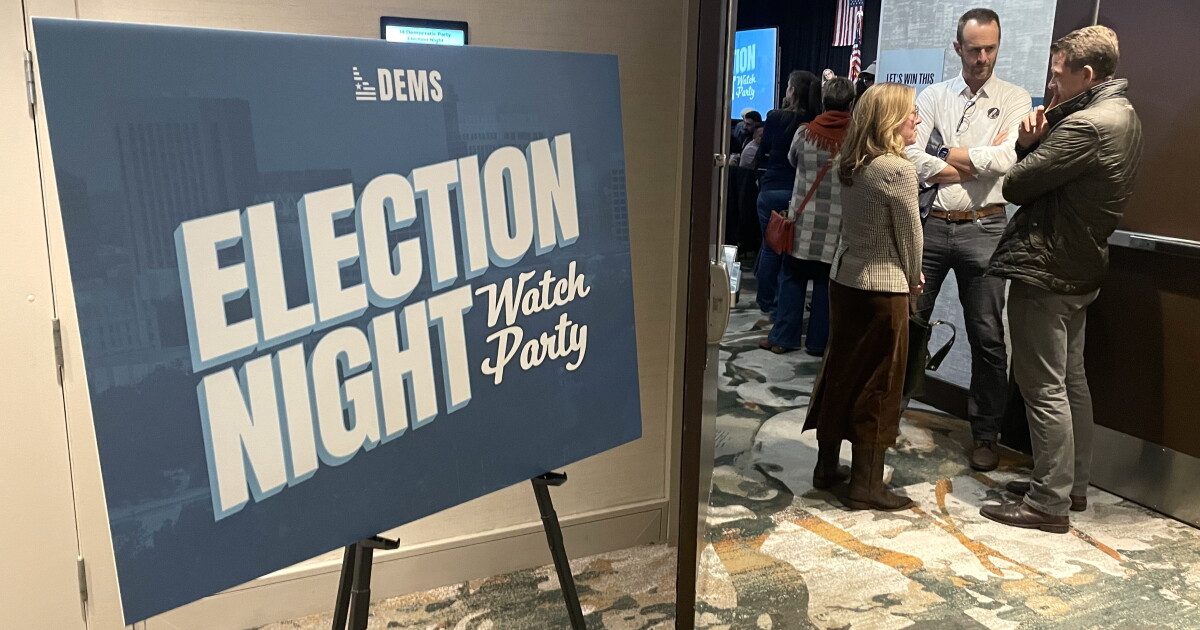
Charleston County voters have decisively reversed course on transportation funding, passing a half-cent sales tax referendum on November 3, 2026, with nearly 64 percent of the vote. This outcome marks a stark departure from the 2024 election, when a similar proposal was rejected by 61 percent of the electorate. The successful 2026 measure is projected to generate $4.25 billion over the next 25 years, focusing on infrastructure, transit and preservation projects.
A Shift in Public Sentiment
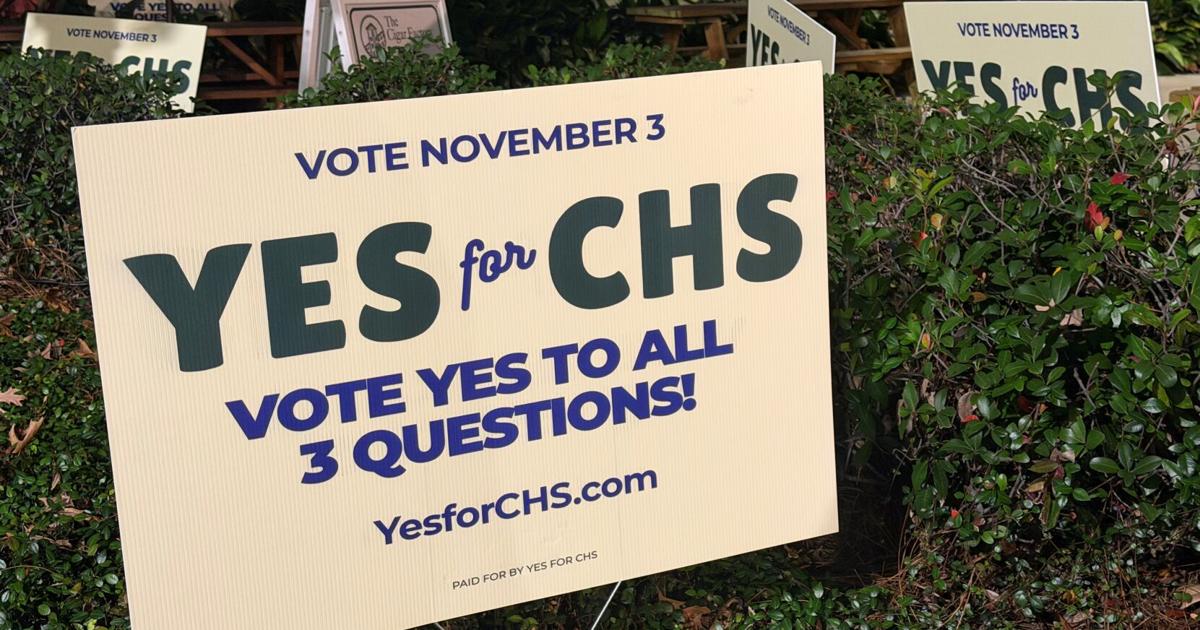
The 2024 failure was largely attributed to the inclusion of the controversial Mark Clark Extension, a project that would have stretched Interstate 526 in West Ashley across James and Johns Islands. By contrast, the 2026 campaign—supported by an aggressive $1 million “Yes for CHS” effort—focused on a broader list of infrastructure needs. Logan McVey, who resigned in 2025 from his post as the city of Charleston’s chief policy officer to launch the campaign, noted that the effort educated as many as 200,000 voters. The message was simple: show residents that their specific concerns are being heard.
The county’s outreach process was exhaustive, involving nearly 80 stakeholder meetings and the processing of about 29,000 public comments. This shift toward a more transparent, project-specific list appears to have paid off. While turnout was about 10 percent lower than what Charleston County saw in the 2024 presidential election, more than 71,000 residents cast ballots, signaling that the electorate was sufficiently mobilized to move past the gridlock of the previous referendum. About 57 percent of registered voters turned out countywide.
Lingering Distrust in the Highway 41 Corridor
Despite the countywide success, pockets of resistance remain. The McClellanville, Awendaw, Christ Church and Mount Pleasant precincts 31, 33, 34 and 35 were the only ones where a majority of voters opposed the measure. These communities have been locked in a long-standing dispute with the county regarding the Highway 41 expansion project, which residents fear will disrupt wetlands in Laurel Hill County Park without adequately addressing traffic concerns.
Travis Korson, founder of the grassroots group Smart Growth 41, told the newspaper that the skepticism is not a blanket rejection of taxation—pointing to the fact that a majority of voters in all county precincts extended another sales tax for education. Instead, the vote serves as a barometer for the ongoing friction between the county and residents who feel their environmental and traffic concerns have been sidelined. While opposition in these areas dropped from 72 percent in 2024 to 54 percent in 2026, the underlying distrust remains a hurdle for local officials.

The Future of Regional Infrastructure
The tax revenue is slated for projects that address the region’s most pressing vulnerabilities, including the widening of U.S. Highway 17 South in West Ashley—the single largest project the half-cent transportation sales tax will fund. Beyond road work, the funding is earmarked for infrastructure, transit and preservation projects.
Joe Boykin, outgoing County Council Chairman, who made the referendum a main mission as chairman this year, framed the result as a legacy for the region. In a Nov. 4 statement, Boykin said, I’m grateful to our residents for their engagement, our municipal leaders for their partnership, and the voters for placing their trust in us.
Boykin, who narrowly lost his reelection bid in an upset where Democrat Charles Glover prevailed, previously noted, We’re sitting here on the eve of a legacy. We’re talking about something that’s going to span 25 years going forward, and most of us won’t be around in council or engaged in this process anymore. This was truly — it takes a village to pass a referendum.
As the county prepares for the future, the question remains whether the newly approved project list can satisfy the competing demands of a rapidly growing urban center and a wary suburban periphery. With the tax locked in for 25 years, the accountability phase for Charleston County’s infrastructure has only just begun.