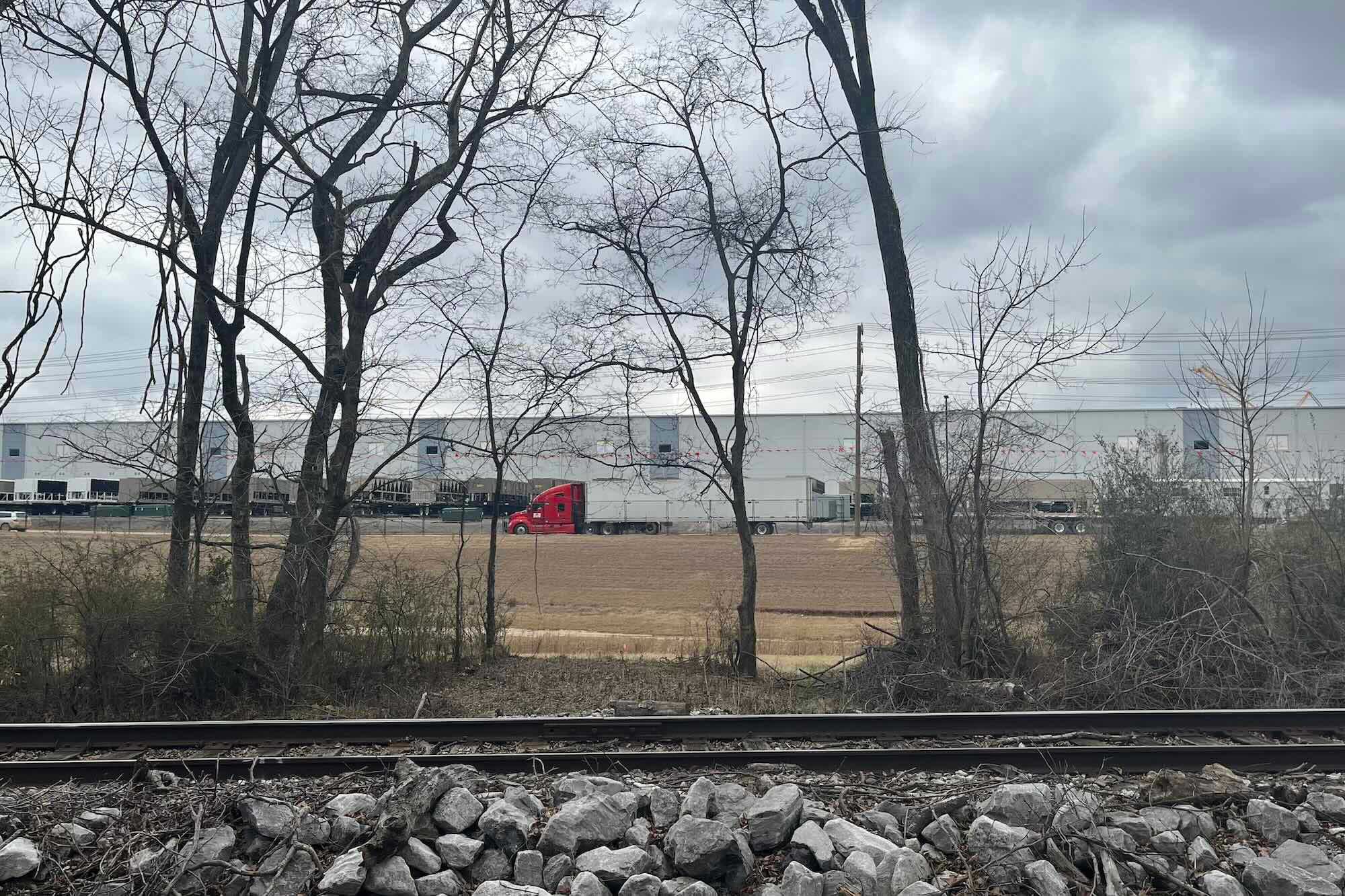
Residents living near the Southaven energy plant won a critical round in federal court this week, as a Mississippi judge refused to throw out a lawsuit targeting unpermitted industrial operations that power SpaceX’s artificial intelligence enterprise. The decision clears the path for civil rights groups to press forward with claims that the massive facility is violating federal air quality standards.
The Oct. 30 ruling from the U.S. District Court for the Northern District of Mississippi establishes that the NAACP has full statutory standing to challenge the operation of dozens of gas turbines at the site. According to reporting from the Mississippi Free Press, the court rejected arguments from SpaceX that its power-generating equipment qualifies for temporary exemptions under state environmental rules.
A Federal Battle Over Clean Air Act Enforcement
At the center of the litigation is the Southaven energy plant, which generates electricity for the Colossus 2 data center located just across the state line in Memphis, Tennessee. That data center runs Grok, the contentious supercomputer developed by SpaceX’s artificial intelligence division, formerly known as xAI and now called SpaceXSI.
Since August 2025, state regulators have allowed the complex to run up to 69 gas-fired combustion turbines without standard permits. Mississippi officials have defended the practice by arguing that state regulations provide exemptions of up to one year for engines classified as temporary and mobile. However, the federal court’s recent order sharply undercuts that defense.
District judges concluded that the site fails to meet the federal criteria for a mobile source under the state’s air quality enforcement plan. Because the installation functions as a stationary emissions source, the court found it was not exempted from Clean Air Act permitting requirements.
“This decision is another important victory in our effort to hold xAI accountable,” Abre’ Connor, director of environmental and climate justice at the NAACP, said in a Friday news release. “Our position has been clear: xAI cannot operate gas turbines without the required permits. Now that the motion to dismiss has been denied, we look forward to continuing to defend our position in court.”
Intervention and the Push for an Emergency Injunction
The legal fight involves heavyweights on both sides. The recent court order followed a separate, unsuccessful motion for dismissal filed by the Department of Justice, which has intervened in the litigation to support SpaceX.
Despite the setback on dismissal, the court has not yet ruled on a separate request from the NAACP seeking an emergency injunction. Attorneys representing the plaintiffs want the court to shut down the unpermitted turbines immediately while the broader lawsuit makes its way through the judicial system.
“The Clean Air Act promises that communities that have been failed by federal, state, and local leaders have the right to go to court to protect themselves from illegal pollution,” said Kym Meyer, litigation director at the Southern Environmental Law Center, which represents the NAACP. “This ruling makes it clear that this right cannot be tossed aside simply because a massive corporation finds it inconvenient.”
Residents Face Displacement Threats as Regulators Prepare Industrial Site Review
The environmental lawsuit is only one front in the expanding friction between SpaceX and local residents. In June, neighborhood residents filed a class-action lawsuit against the company, contending that persistent noise and vibrations from the turbines are degrading their quality of life. Reports indicate that SpaceX has approached some homeowners with buyout offers contingent on agreements not to join the litigation, leaving local renters worried about potential displacement.
Attention now turns to state regulators who are preparing to reexamine the industrial site’s regulatory status. An evidentiary hearing is scheduled to begin at 9 a.m. on Monday, Nov. 9, at the Mississippi Department of Environmental Quality office in Jackson, and will continue into Tuesday, Nov. 10, if necessary. The proceeding will address a contested air permit issued in March that would allow the installation of 41 permanent gas turbines. SpaceX has indicated those permanent engines would replace the current unpermitted units, with a full retirement of the temporary equipment targeted for July 2027.



