
From Biochemistry to Healthcare Consulting: A University of Richmond Graduate’s Pivot
Upon earning his degree in Biochemistry and Molecular Biology from the University of Richmond in 2025, Will Quackenbush initially set his sights on drug development. Not long after completing his studies, he accepted a drug manufacturing position at Charles River Laboratories, though robins.richmond.edu reported that he soon grew more interested in the corporate strategy and commercial aspects of the sector. Looking to transition away from lab work, he found that consulting offered an ideal way to merge his scientific foundation with a newly developed passion for business.
That realization brought Quackenbush back to Richmond just a year later. He enrolled in the Master of Science in Management (MSM) program at the Robins School of Business to bridge the gap between his technical background and corporate strategy. The program highlighted the range of careers available to someone with his experience, specifically opening doors toward healthcare consulting.
Securing a Position at Berkeley Research Group
Just a few months into the year-long graduate program, the professional pivot paid off. Quackenbush secured a position with Berkeley Research Group (BRG), where he will join the Healthcare Analytics practice after graduating in August. The new role lets him apply his foundational science knowledge alongside the analytical and business skills developed through the MSM curriculum.
Returning to his undergraduate alma mater was a straightforward choice. Quackenbush already knew the value of the university’s small classes, supportive faculty, and tight-knit community. The Robins School of Business has consistently ranked among the top 20 undergraduate business schools in the nation, reinforcing his confidence in the curriculum.
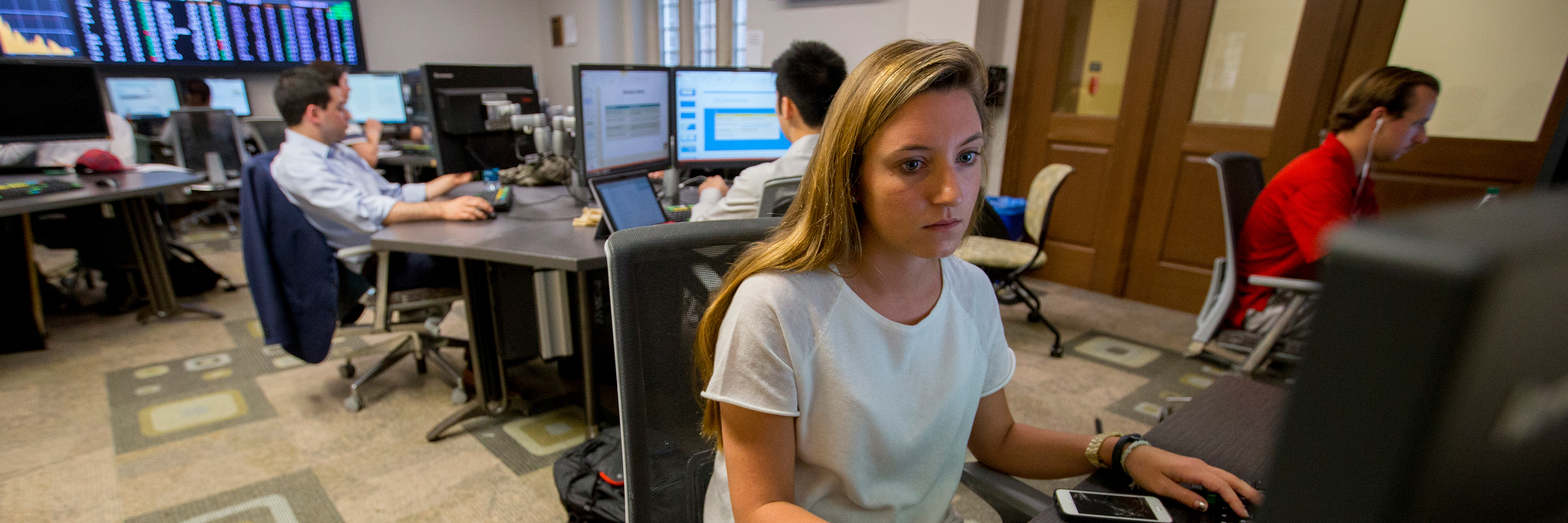
“First, I saw how my undergraduate degree helped me launch my career within the industry, and I trusted the University of Richmond to prepare me just as well as I continued my education,” Quackenbush said. “Second, the Robins School of Business is a highly regarded program and has consistently ranked among the top 20 undergraduate business schools in the nation, so I knew the education I’d be getting was among the best.”
Mastering Analytics and Business Fundamentals Through 32 Credit Hours
The MSM program provides a deeper understanding of business fundamentals through analytics-based courses designed to prepare students for a data-centric business world of today. According to msm.richmond.edu, the rigorous curriculum is augmented by opportunities to hone professional skills in teamwork, leadership, communications, and consulting. The coursework spans business statistics, accounting, financial modeling, marketing innovation, and supply chain operations across 32 credit hours.
For Quackenbush, the program’s hands-on approach proved especially valuable. Rather than relying solely on traditional lectures, classes emphasize case studies, collaboration, and practical problem-solving. Working alongside classmates with backgrounds ranging from STEM fields to psychology challenged him to approach complex problems strategically.
“Everyone thinks differently,” Quackenbush noted. “You have to learn how to communicate, bridge the gap, connect, and find common ground.”
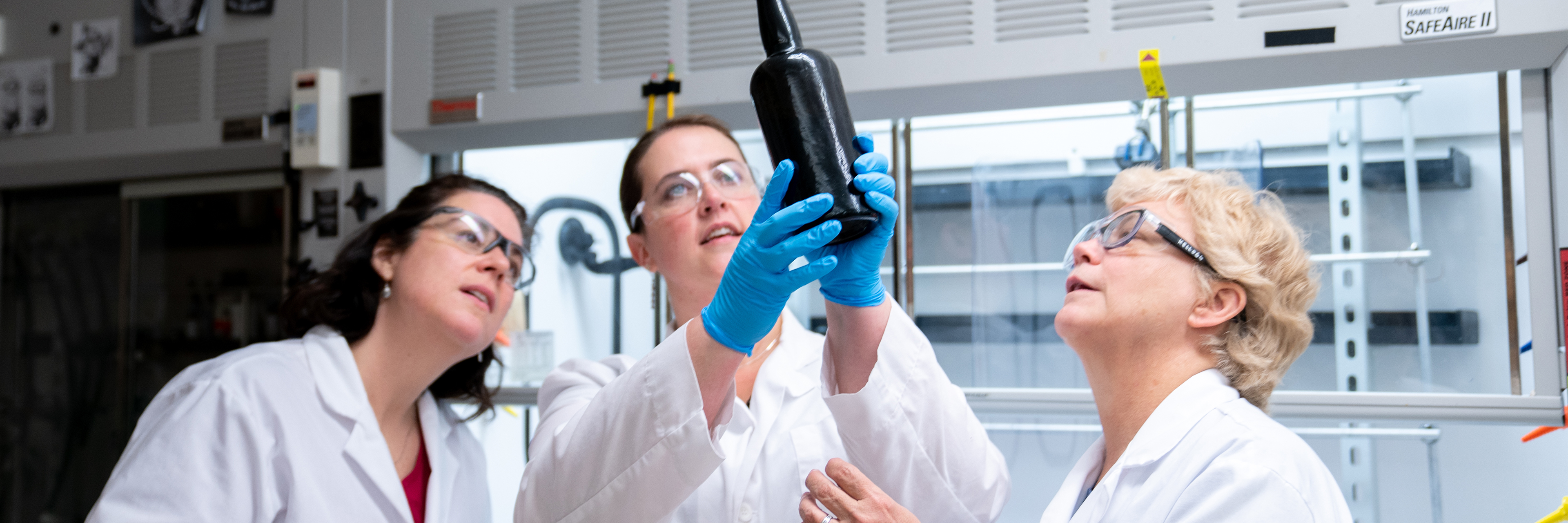
That collaborative mindset quickly caught the attention of the faculty. Dale Fickett, clinical professor of management, pointed out that Quackenbush brought a strong background in statistics into the classroom, but praised his willingness to help peers succeed.
“Will is a particularly diligent student who came into my course with a strong background in statistics. What was most impressive was his willingness to assist other students. Will was instrumental in shaping a positive classroom culture.” — Dale Fickett, Clinical Professor of Management
Using the Spider Network for Recruiting
To get ready for the intense consulting recruitment cycle, Quackenbush relied on the guidance of analytics and operations professor Steve Thompson alongside faculty member Fickett. Both professors assisted him in framing his undergraduate coursework and laboratory experience during job interviews.
Beyond the classroom, Quackenbush connected with Richmond alumni at BRG to learn more about the firm and its culture, while bmb.richmond.edu notes that science students often seek out internships in pharmaceuticals, medicine, or environmental science to translate academic interests into rewarding careers.
“The Spider network is a real thing,” Quackenbush said. “Alumni stay connected to Richmond long after they graduate, and they’re eager to help the next generation of Spiders.”
For other science majors considering a move into the corporate world, Quackenbush views the MSM program as a viable path to expand career opportunities without abandoning their technical expertise. What once felt like stepping away from science now looks like a natural extension of it.
“I initially thought moving into business meant stepping away from science, but I’ve come to realize that my scientific background is something I can build on and bring into a business setting,” he said. “The MSM has helped me understand how to apply that experience in a broader business context.”



