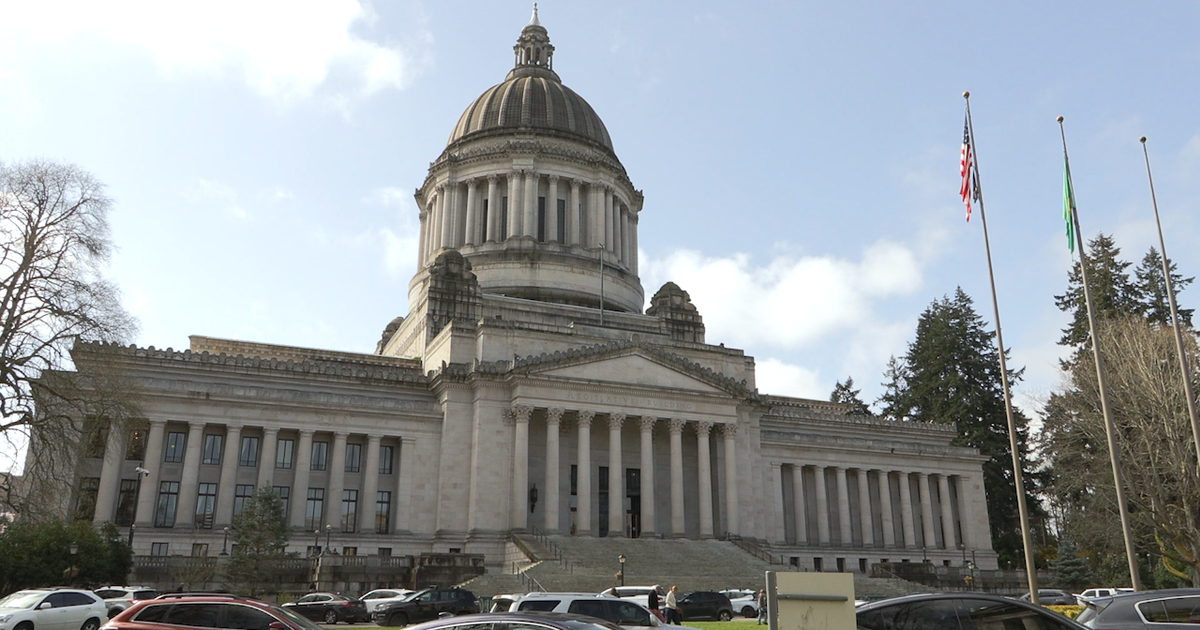
Five seats of the nine-member Washington Supreme Court are up for election on November 3, giving voters an unusual opportunity to shape the state’s highest judicial body as it weighs major questions on taxation, criminal justice, education, and the boundaries of government authority, FOX 13 Seattle reported.
The contests cover Positions 1, 3, 4, 5, and 7. Three sitting justices are defending their seats, while two positions are entirely open. Positions 1 and 5 are special elections following appointments to fill vacancies, and Position 4 is open due to the retirement of Justice Charles Johnson. The ballot features ten candidates across these five races, including Justice Colleen Melody and attorney Scott Edwards for Position 1; King County Superior Court Judge Jaime Michelle Hawk and Mason County Superior Court Judge David Stevens for Position 3; Court of Appeals Judge Ian Birk and King County Superior Court Judge Sean O’Donnell for Position 4; Justice Theo Angelis and former Federal Way Municipal Court Judge Dave Larson for Position 5; and Chief Justice Debra Stephens alongside attorney Todd Bloom for Position 7.
Voters Skip Judicial Sections on Ballots
While the judicial races are officially nonpartisan, the candidates hold distinct judicial philosophies that could influence how the court handles future challenges to legislative enactments and voter-approved ballot measures. Todd Myers, vice president of research at the Washington Policy Center, pointed out that roughly 20% of voters typically skip judicial sections on their ballots. He noted that this drop-off grants participating voters outsized influence over decisions that directly affect daily life across the state.
The court has become more activist in recent years, and so is making decisions that are much more impactful toward people’s daily lives, Myers said.
Recent court actions have drawn intense public scrutiny to the bench’s philosophy. In November 2024, Washington voters approved Initiative 2066 with 51.7% of the vote to protect access to natural gas and limit policies discouraging its use. However, in a 6-3 ruling handed down in September 2026, the state Supreme Court upheld a lower court decision finding the initiative unconstitutional because it violated the state constitution’s single-subject requirement. Myers argued that the ruling reflects a broader pattern of the court readily overturning voter-approved measures on technicalities.
Justices Will Determine Whether Income Tax Survives
The outcome of the November ballot could also impact upcoming fiscal policy. The Legislature approved a 9.9% tax on annual income above $1 million, scheduled to take effect on January 1, 2028, with the first returns due in 2029. Legal challenges are anticipated, and the justices elected this year could ultimately determine whether the tax survives if it reaches the state’s highest court.
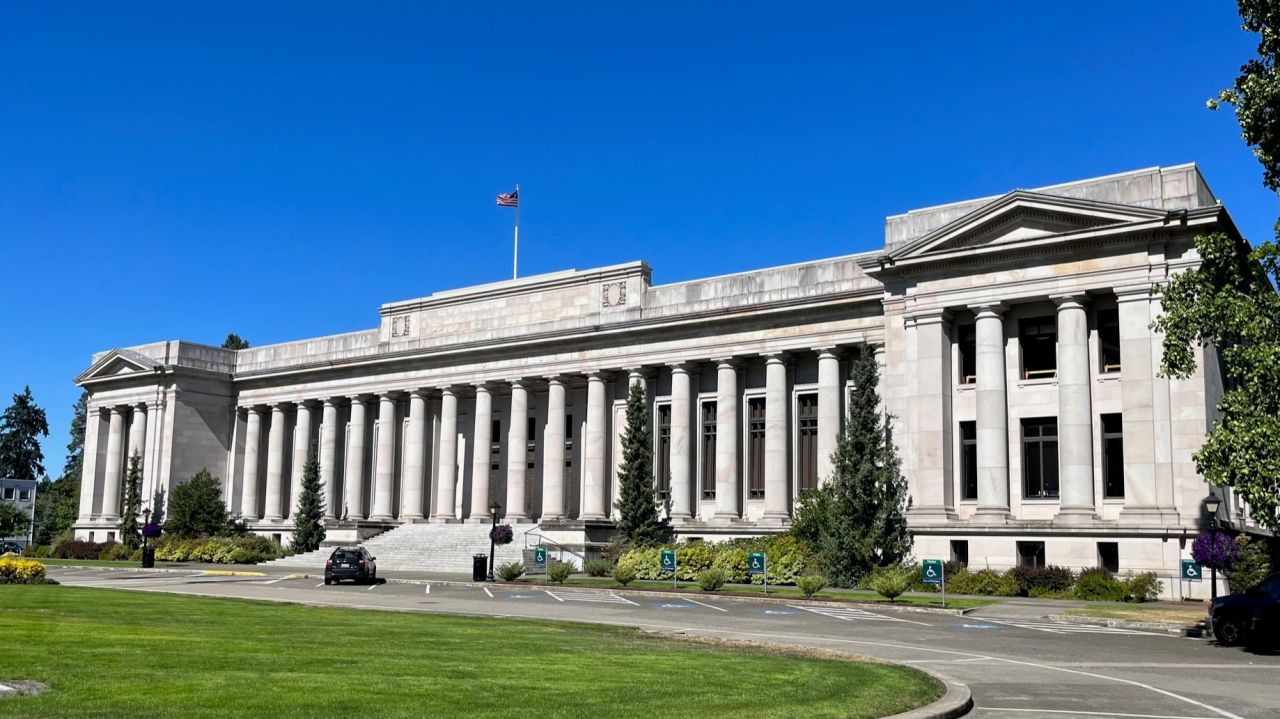
Beyond fiscal debates, the court handles fundamental questions regarding criminal law, constitutional rights, and public education.
Organizations like the League of Women Voters of Washington are working to help voters evaluate the candidates through free video interviews available at LWVWA.org and written responses on Vote411.org, aiming to clarify qualifications ahead of the election.



