Healey’s Emergency Preamble Blocks Abortion Law Suspension
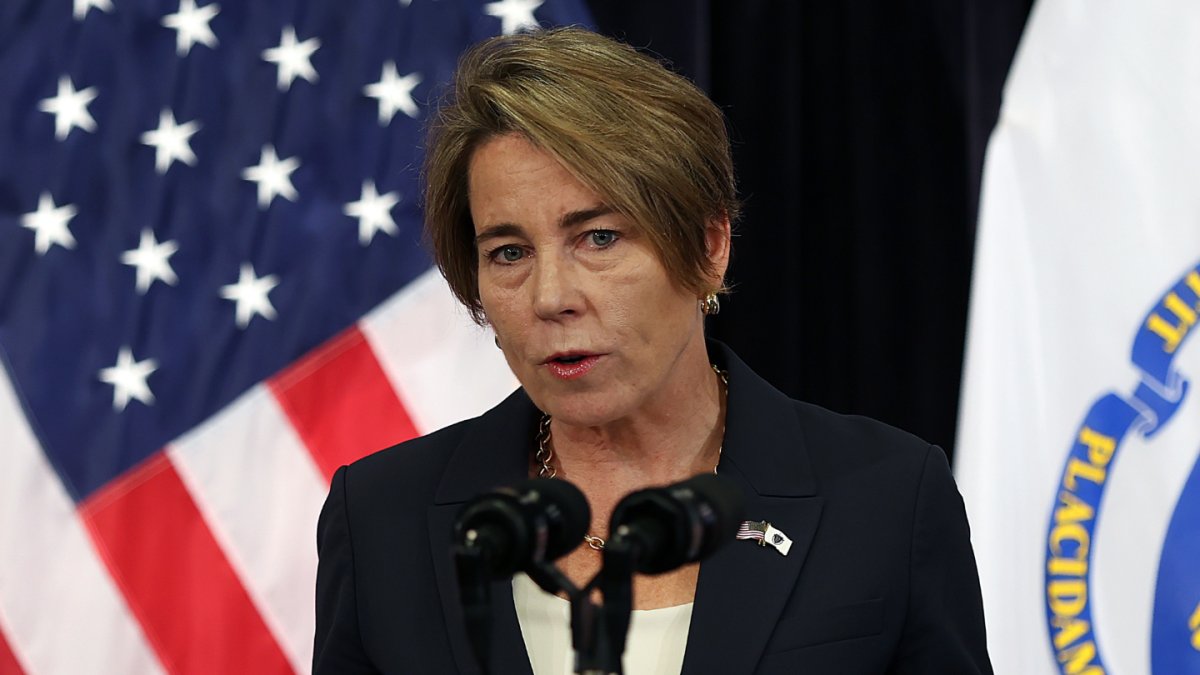
Massachusetts Governor Maura Healey signed an emergency preamble on Friday, effectively locking into place a new law that removes specific barriers to abortions later in pregnancy. The move comes as a direct response to a petition drive that sought to force the law into suspension while opponents work toward a 2028 ballot referendum. The governor’s action ensures the statute takes effect on Sunday, November 9, preventing any delay over the next two years.
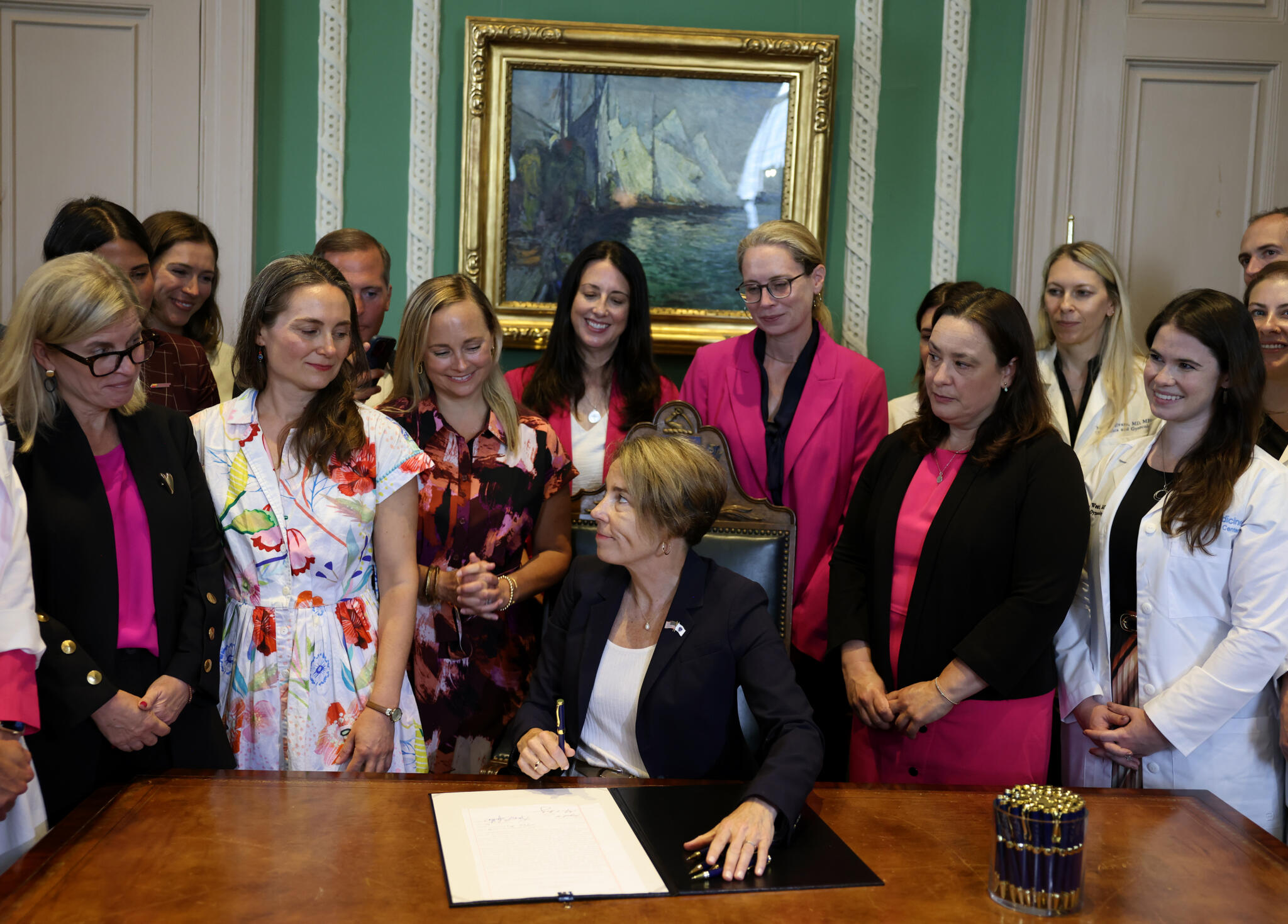
The core of the conflict lies in the Prioritizing Patient Access to Care Act, which was signed into law this past August. The legislation fundamentally shifts the legal standard for abortions performed at or beyond 24 weeks. Previously, such procedures were permitted only in instances where the life of the mother was at risk. The new law removes those specific criteria, instead deferring to the medical judgment of healthcare providers to determine when a procedure is necessary.
The Statistical Gap in the Repeal Effort
Sam Miele, chair of the Compassionate Care Coalition—a group led by Massachusetts Citizens for Life and Massachusetts Family Action—confirmed that his organization submitted 113,477 signatures to the office of Secretary of State William Galvin on Friday afternoon. This total significantly exceeds the 37,289 signatures required to place a question on the 2028 ballot. The submission surpasses the 49,719 signatures typically needed under state law to suspend a newly enacted statute while a referendum is pending.
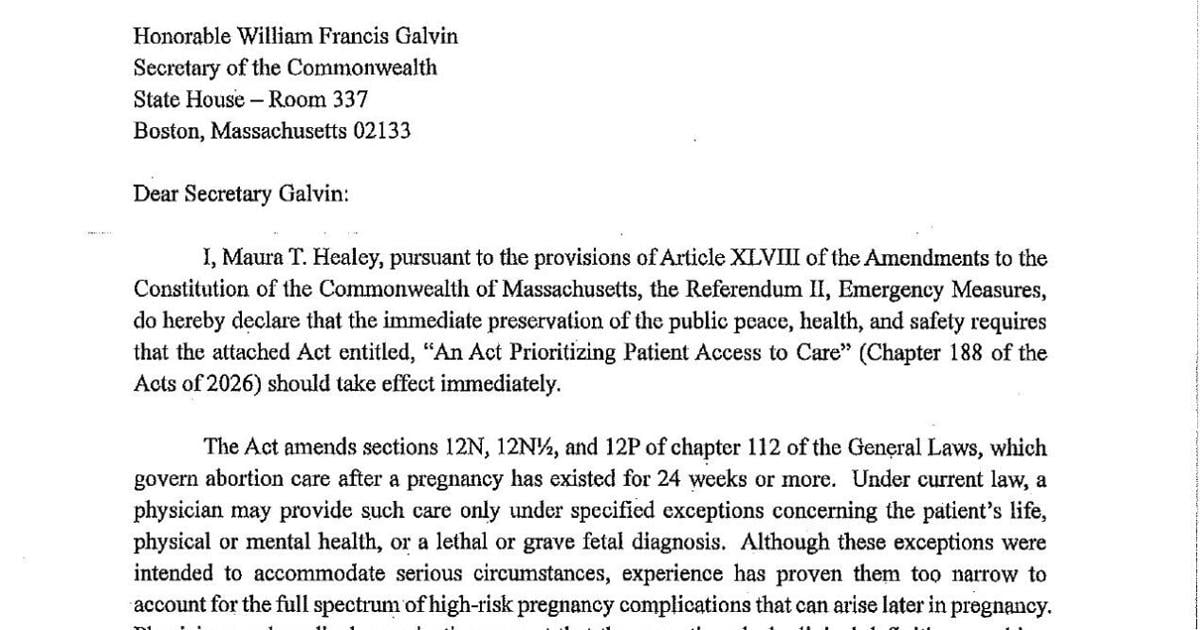
By invoking the emergency preamble, Governor Healey has effectively bypassed that suspension mechanism. The governor noted that “any further delay in implementing the Act would prolong uncertainty for patients, families, physicians and health care institutions, and risk further harm to the health and safety of women in Massachusetts.”
Medical Autonomy and the “Public Health Emergency”
The governor’s decision has drawn sharp lines between advocacy groups and medical professionals. Kathleen Melendy, the Massachusetts state director for Reproductive Equity Now, argued that the action addresses a critical public health failure. According to Melendy, at least nine patients in the Commonwealth have been denied abortion care since the law was signed in August, as providers awaited its formal implementation. The governor elaborated on this in a Substack post, stating that she could not accept a reality where women were denied such care for another two years.
The Massachusetts Medical Society has aligned with the governor’s stance. Dr. Rebecca Brendel, the organization’s president, emphasized the necessity of clinical autonomy in high-stakes medical decision-making.
The MMS remains firmly committed to protecting clinical autonomy and access to comprehensive, equitable reproductive health care. Physicians bear the responsibility to make complex, individualized clinical treatment recommendations based on scientific evidence, established standards of care, and circumstances unique to our patients. Decisions regarding abortion care later in pregnancy should be no different.
The Opposing View on Legislative Intent
For the opponents, the emergency declaration represents an overreach that bypasses the traditional democratic process. Miele expressed deep skepticism regarding the governor’s characterization of the situation as an emergency. “The prior abortion law in Massachusetts allowed abortions after 24 weeks if the mother’s life was in danger,” Miele said. “The only thing this new law does is allow babies who pose no threat to the life of the mother to be killed at will in the womb at nine months. Governor Healey, you must explain to the voters why that is an emergency.”
While the legal pathway for the 2028 referendum remains open, the immediate implementation of the law changes conditions for providers and patients alike. As of Sunday, the shift from rigid, criteria-based regulations to provider-led medical judgment is the new standard in Massachusetts, regardless of the ongoing political push for a future repeal vote.