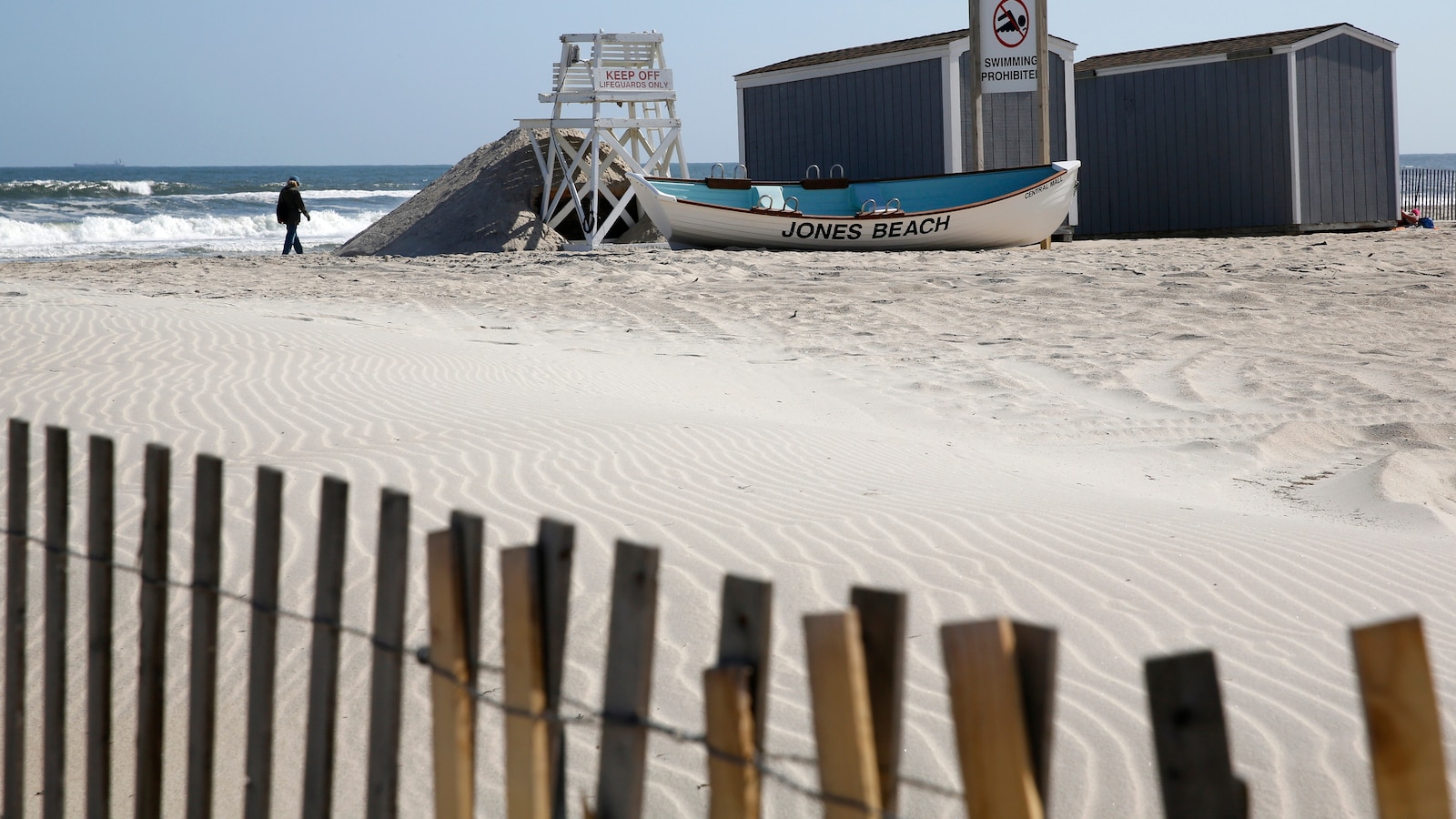
“You have millions of visitors and generations of New Yorkers going to this beach. Nobody knew that he was actually a major player in arguably the biggest heist in the history of piracy.”
That is how amateur historian James Bailey describes the explosive colonial-era clues linking the namesake of New York’s most visited state park after Niagara Falls to the “King of the Pirates,” Capt. Henry Every.
For years, the origins of Thomas Jones—the man whose moniker is permanently stamped onto Jones Beach—have remained wrapped in local lore, family defenses, and crumbling estate ghost stories. But Bailey’s deep dive into the bloody 1695 raid of the royal Indian treasure ship Ganj-i-Sawai on the Red Sea suggests Jones was far more than a mere landowner. Depositions from Every’s associates place Jones right in the middle of the cover-up, allegedly acting as a wheelman to help the pirates stash tens of millions of dollars in gold and silver.
From Military Major to Colonial Wheelman
Long before he claimed thousands of acres on the rural expanses of early Long Island, Jones served as a major in the English military. As Meagan Schulman, a Fordham University doctoral candidate specializing in 17th-century piracy, points out, the line between an authorized privateer and a pirate was razor-thin.
“The reality was that privateers were pirates, just sponsored by a certain government or patron,” explained Schulman. “So maybe the short answer is, yes.” She added that while Jones could be called a pirate by some people, he probably did not ever see himself as one.
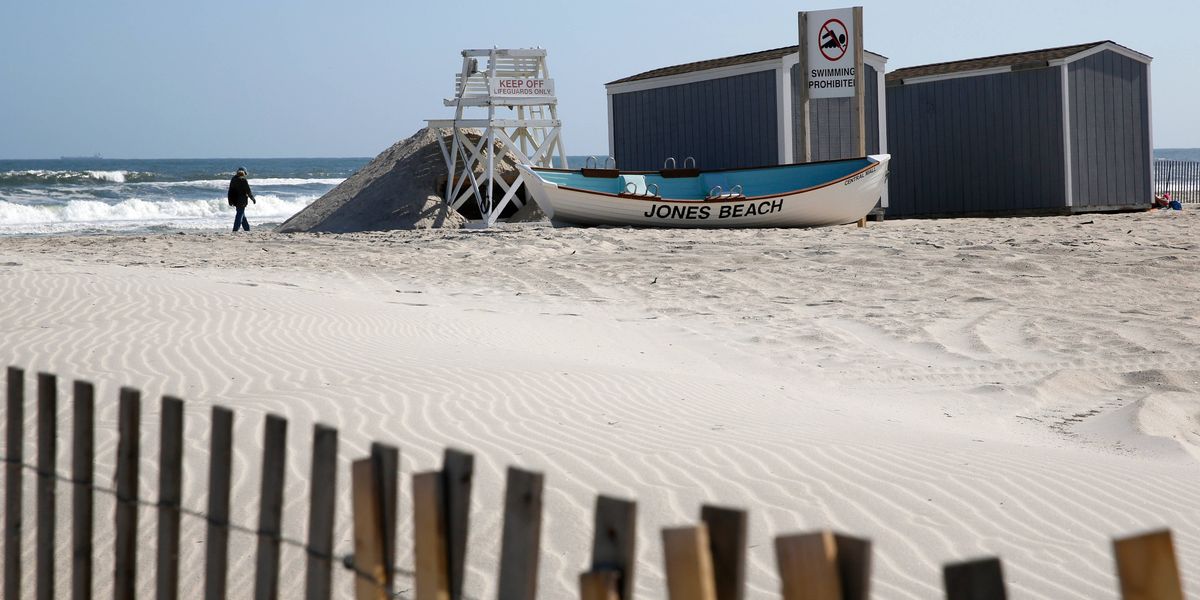
When wartime commissions dried up, seafarers like Jones faced a choice. According to documents cited by Bailey, Jones chose to assist Every’s crew as they scattered to evade what is considered the first worldwide manhunt triggered by the brutal assault on the Ganj-i-Sawai. After helping the outlaws slip past authorities, Jones briefly retreated to Rhode Island before a 1696 land gift from his wealthy father-in-law, Thomas Townsend, handed him a fresh start on Long Island’s south shore.
Governor Coote’s Investigation and the Barrel of Money
Jones quickly remade himself as a wealthy whaling proprietor, but his past soon caught up with him. Just three years after the massive Red Sea heist, New York’s colonial governor, Richard Coote, zeroed in on Jones.
Witness depositions from 1698 detail how a suspicious “barrel of money” traveled from New York City straight to Jones’ Long Island homestead. While Jones testified under questioning that he knew nothing about the illicit cargo, Governor Coote flatly described him in official communications as “formerly a pirate.”
Despite the governor’s suspicions, no definitive conviction nailed Jones to the piracy charges. He lived out his days as a prominent landowner until his death in 1713, leaving behind a crumbling mansion that later fueled generations of local ghost stories and treasure hunters who repeatedly desecrated his grave.
The Multi-Generational Wealth Connection
Academic historians note that Jones’ checkered background is hardly an isolated anomaly in early American development. Kevin McDonald, a history professor at Loyola Marymount University, explains that popular culture paints pirates as isolated outcasts, whereas historical evidence reveals deep economic ties.
“It may surprise readers to find just how much early British colonies were both socially and economically connected to piracy,” says Richard Blakemore, a maritime history professor at the University of Reading in the United Kingdom, who notes that common names like Thomas Jones require caution when interpreting archival fragments.
The accumulating paper trail shows how illicit maritime spoils helped fund the foundational and multi-generational wealth of prominent families across the Northeast. As New York State parks continue to draw massive crowds to the barrier beach bearing his name, the historical debate over Thomas Jones proves that the sand beneath millions of visitors’ feet holds secrets far darker than local history books ever let on.