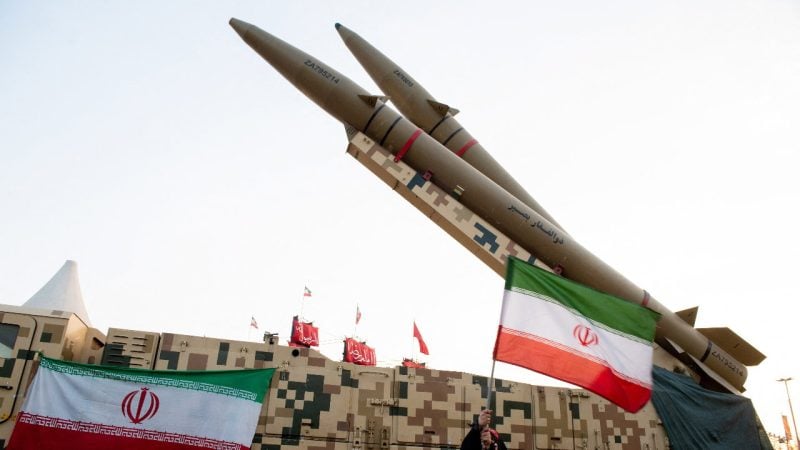
The United Nations nuclear watchdog warned it remains worried over an uninspected uranium-enrichment facility in Iran.
International Atomic Energy Agency officials revealed they cannot verify the exact location of the Isfahan Fuel Enrichment Plant declared to the agency on June 12, 2025. The facility is believed to sit inside a tunnel network at Isfahan. Inspectors have been blocked from visiting the site since a 12-day bombing campaign by Israel and the United States damaged Iran’s enrichment infrastructure.
According to a report seen on Friday, the IAEA urged Iran to take “incremental steps” that would allow its inspectors back into key nuclear facilities. The agency described such access as “critical.” The document will be discussed at a meeting of the agency’s board of governors next week.
Before the June 2025 military strikes, the IAEA calculated that Iran held 440 kilograms of uranium enriched to 60 per cent purity. That material sits above the 3.67 per cent ceiling permitted under the defunct 2015 nuclear agreement and approaches the 90 per cent threshold required for a nuclear weapon.
Inspectors planned to visit the Isfahan enrichment plant on June 13, 2025. Airstrikes began that very day and scuttled the verification effort. The agency said that Iran has restricted access to its nuclear sites ever since. Inspectors visited the Bushehr nuclear plant in September. The IAEA board escalated Iran’s case to the UN Security Council in September due to nuclear non-compliance.

The Agency does not know IFEP’s exact location, status for safeguards purposes or whether it contains nuclear material.
International Atomic Energy Agency, Confidential Report
The Agency’s lack of information about [Iran’s] nuclear material and access to facilities to verify it is a matter of serious proliferation concern… and needs to be rectified with the utmost urgency.
International Atomic Energy Agency
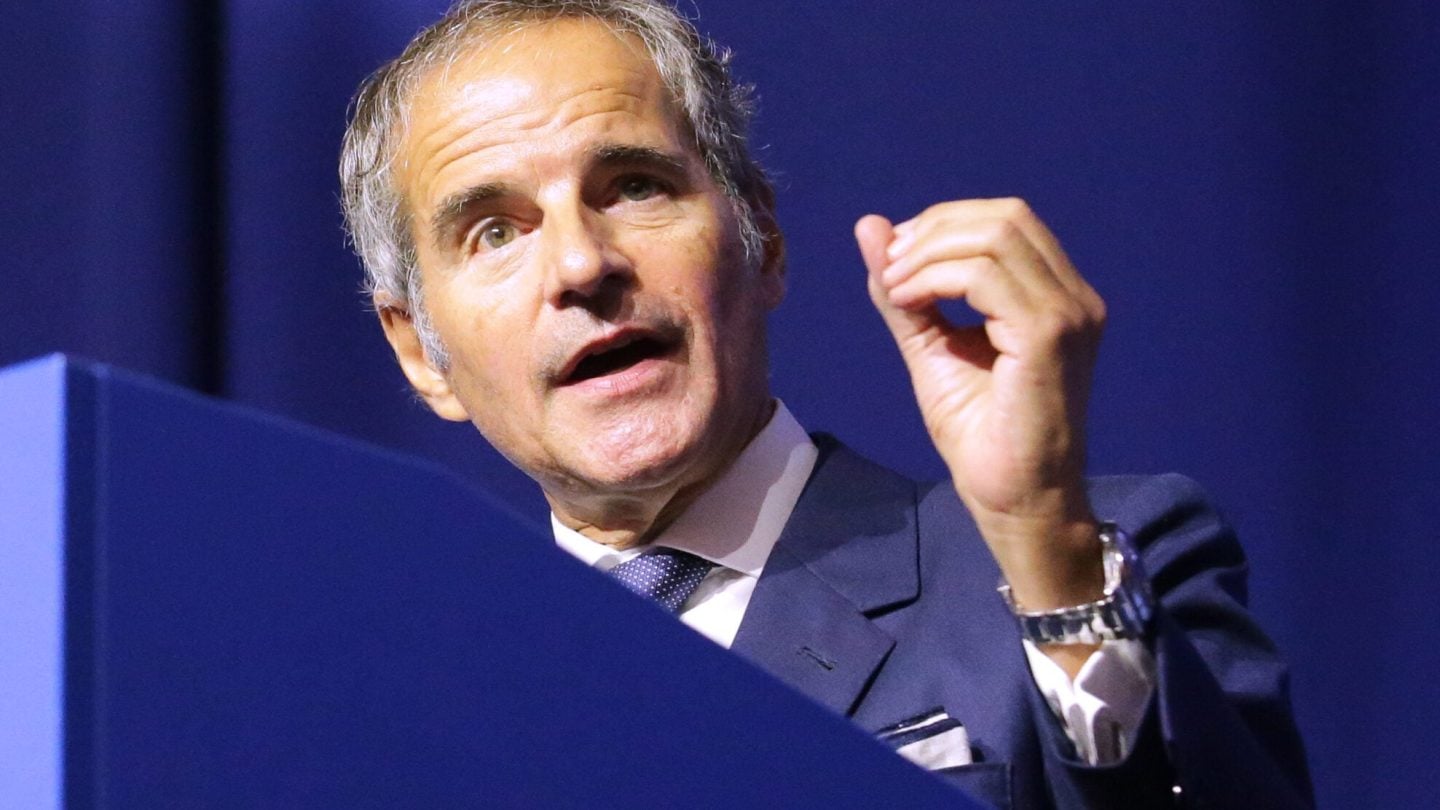
IAEA Director General Rafael Grossi pressed Tehran to adopt incremental measures to restore normal monitoring operations. In a confidential report distributed to member states, the watchdog described the lack of transparency as a proliferation risk.
The agency argued that staged technical cooperation could rebuild confidence. During March, Grossi said a major portion of Iran’s highest-purity enriched uranium was housed within the Isfahan tunnel system. The United States and Israel maintained that their military campaigns aimed to block Iran from developing atomic weapons.
Iranian officials denied seeking a bomb and said their program serves peaceful purposes, setting the stage for the September referral of Iran to the premier UN institution in two decades for breaching its nuclear reporting duties.