Southeastern Pennsylvania Voter Participation Trends
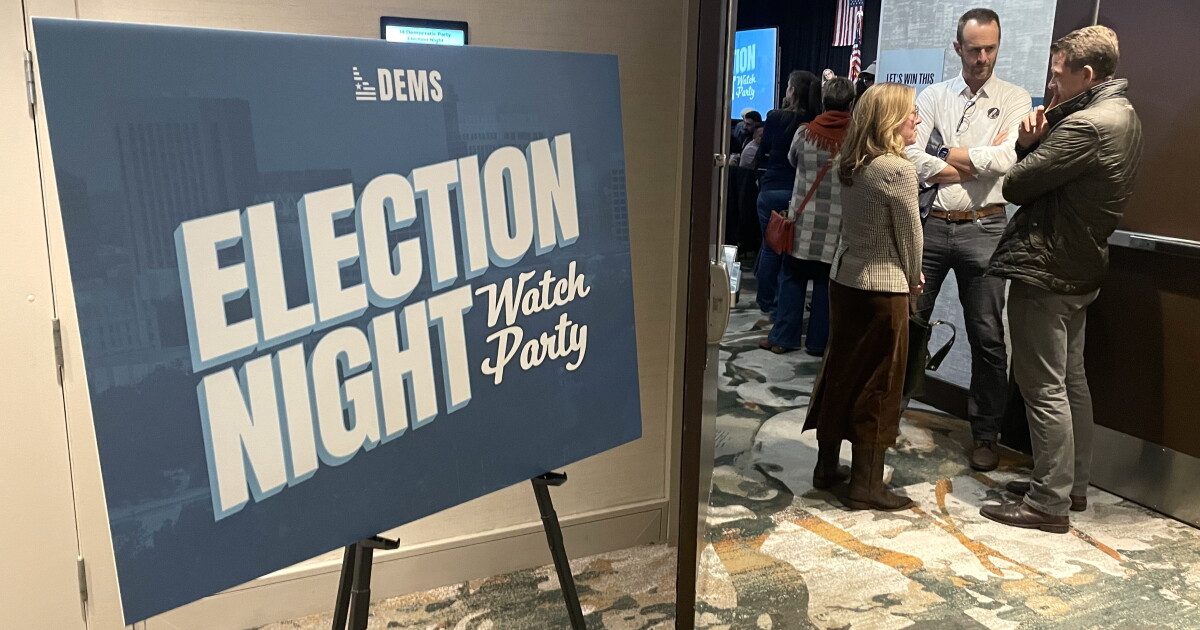
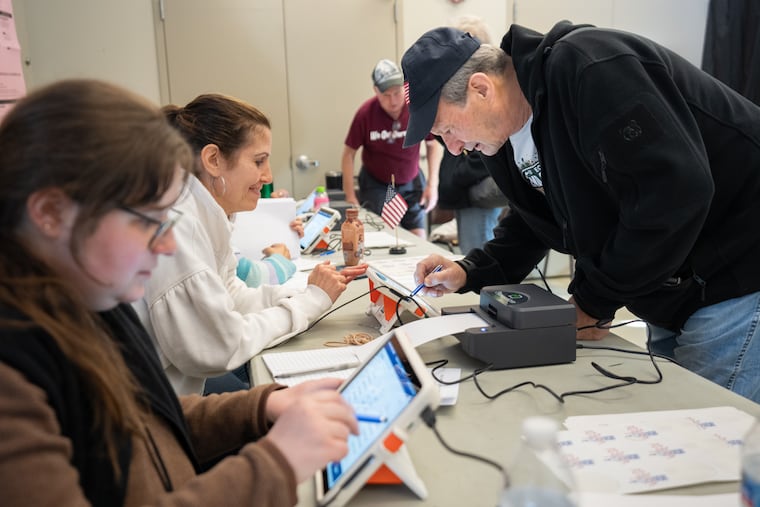
The anticipated blue wave that swept through Pennsylvania this week was not carried into office on a surging tide of voter turnout. As of Wednesday afternoon, with the vast majority of ballots tallied, participation levels across Philadelphia and the four surrounding collar counties were tracking slightly behind the numbers seen during the 2022 midterm cycle. While election officials continue to process provisional ballots, overseas votes, and mail-in ballots requiring corrections, the current data suggests that the region’s electoral engagement did not see the spike many observers had projected.
In Philadelphia, where more than 99% of ballots have been counted, turnout among registered voters reached approximately 44.6%. This is a notable shift from four years ago, when participation in the city sat at 47.4%. The suburbs mirrored this cooling trend. In Montgomery, Chester, and Bucks Counties, turnout hovered just above 62%, a decline from the 66% or higher recorded in 2022. Delaware County experienced a similar dip, with turnout landing just shy of 57%, compared to nearly 61% during 2022.
The Impact of Competitive Races
The absence of high-profile, statewide contests likely played a role in the dampened enthusiasm. Unlike 2022, when an ultra-competitive U.S. Senate race between Democrat John Fetterman and Republican Mehmet Oz dominated the conversation, the ballot lacked a similar anchor. Jim Allen, the elections administrator for Delaware County, noted that his office had observed a strong desire among some residents to return ballots early, yet the overall volume did not reach expected levels.
“We had one competitive state representative race, based on the results,” Allen said of the Delaware County landscape.
Democratic Gov. Josh Shapiro secured a victory over Republican Stacy Garrity. Furthermore, the region saw only one U.S. House contest viewed as truly competitive heading into Election Day: the race for the Bucks County-based 1st Congressional District, where Democrat Bob Harvie unseated Republican U.S. Rep. Brian Fitzpatrick.
A Warning for Governing Parties
The current turnout figures represent a significant departure from 2018, the first midterm election under President Donald Trump. That year, participation surged to about 65% or higher in Bucks, Montgomery, and Chester Counties, and north of 50% in Philadelphia. Montgomery County Commissioner Neil Makhija, a Democrat who chairs the county’s elections board, views the latest data as a cautionary tale rather than a simple victory lap.
According to Makhija, the results suggest that the blue wave had as much to do with Republicans staying home as it did with Democrats flocking to the polls. He argues that if the party fails to address the specific, pressing issues currently facing the electorate, they risk facing the same lack of enthusiasm when the tables turn.
This sentiment was echoed by Jim Knapp, chair of the Haverford Township GOP in Delaware County, who described the atmosphere leading up to Election Day as defined by widespread indifference. “At a cursory glance, it’s pretty disappointing. There’s just a lot of apathy,” Knapp said. “I didn’t see a whole lot of lawn signs.”
Southeastern Pennsylvania Sees Decline While Other States Set Records
While Southeastern Pennsylvania saw a relative decline in participation, this does not appear to be a uniform national trend. Reports from other battleground states indicate that voter participation reached records for non-presidential years in Michigan and Minnesota. Philadelphia City Commissioner Seth Bluestein acknowledged the local shortfall while emphasizing that the final tally is not yet complete.
For the voters of Pennsylvania, the practical stake of this lower turnout lies in the mandate for those newly elected to office. When turnout dips, the margin of victory often obscures the breadth of public consensus on specific policy shifts. As counting continues for the final batch of provisional and mail-in ballots, the focus for local officials will shift from the mechanics of the vote to the reality of the governing mandate left behind by a quieter electorate.