
Federal Judge Rebuffs Justice Department Bid to Segregate 20,000 California Ballots
A federal judge on Wednesday flatly rejected the Trump administration’s emergency bid to force California election officials to set aside and withhold from counting mail-in ballots cast by roughly 20,000 voters flagged as suspected non-citizens, The Guardian reported. The ruling, delivered just days before the November 3 midterm elections, marks a sharp judicial rebuke of an eleventh-hour federal effort to alter voting procedures in the nation’s most populous state.
U.S. District Judge David Carter, a Bill Clinton appointee based in Los Angeles, issued a 26-page decision that dismantled the Justice Department’s legal arguments. Carter warned that granting the government’s request would trigger widespread chaos and disenfranchise thousands of eligible American citizens, according to CBS News. More than 23 million registered voters are currently on the rolls in California, where non-citizen voting remains exceedingly rare.
Never before in American history has the federal government, on the eve of an election, sought to coerce a state and local government to abandon their own Constitutional elections procedures and bend to the will of the Executive Branch,
Carter wrote in his ruling. In bringing this lawsuit, the Executive would have this Court believe that it reigns as a sole sovereign. But California and its people are sovereign, too.
Justice Department Sues over Non-Citizen Ballot List
The legal clash began when the Justice Department delivered a USB drive to election offices in Los Angeles and Sacramento containing a list of 20,000 names it claimed belonged to non-citizens. Federal prosecutors gave local officials a mere 48-hour window to review the records and sequester ballots for anyone whose citizenship could not be verified, threatening a lawsuit if they refused.
When state and county officials pushed back due to insufficient verification data, the Justice Department followed through with an October 15 lawsuit. Local election workers in Los Angeles quickly discovered preliminary indicators that the government’s data was inaccurate, flagging individuals who were not even registered or lacking the necessary context to confirm eligibility. Legal experts and election administrators alike questioned the methodology behind the lists, which the Department of Homeland Security initially claimed contained up to 190,000 potential non-citizen entries when announced back in July.
Judge Carter echoed those serious concerns, writing that the government’s protocol raises significant concerns
and describing the underlying methodology as vague. He noted that segregating these ballots would effectively amount to removing them from the count, violating federal statutes designed to protect voters.
The Legal Precedents and the Rush to the Ninth Circuit
Under a 1993 federal law, states are barred from purging ineligible voters from official registration lists fewer than 90 days before an election. Carter pointed out that the Justice Department’s demand directly clashed with this timeline. Facing skepticism during court proceedings, the federal government attempted an unusual procedural detour. After Carter scheduled an October 27 hearing, prosecutors appealed directly to the U.S. Court of Appeals for the Ninth Circuit, complaining that the district court was moving too slowly. A three-judge Ninth Circuit panel ultimately ruled 2-1 against the Justice Department.
Despite the setbacks, federal authorities signaled they are not backing down. Bill Essayli, the top federal prosecutor in Los Angeles, stated that the Justice Department plans to seek an emergency order from the Ninth Circuit, arguing that counting ballots from unverified individuals dilutes the votes of legal citizens.
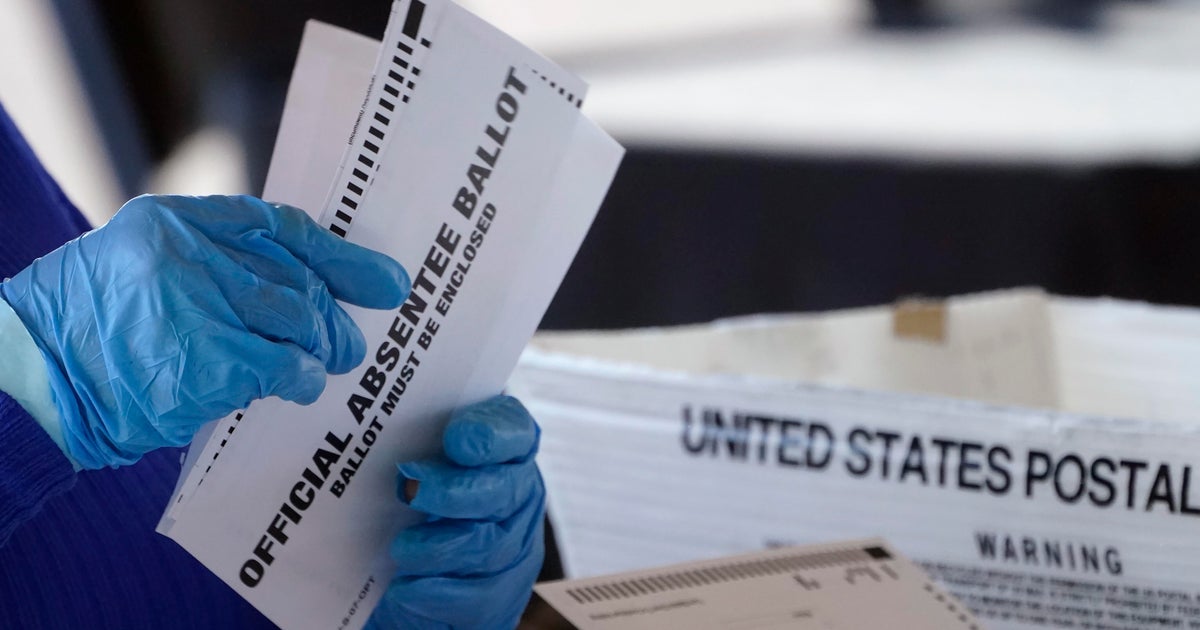
Meanwhile, Judge Carter pointed out a different remedy available to prosecutors if actual violations occurred. During court hearings, he noted that election mail-in envelopes contain unique identifying information, allowing the government to pursue criminal indictments after the votes are tallied without disrupting an active election or disenfranchising legitimate voters.
If the Executive can discount votes and threaten an ongoing election due to unproven allegations, then our democracy is in danger,
Carter wrote. This Court declines to be a party to such process.
BREAKING: A judge denies a Trump administration request to stop California from counting disputed ballots, warns it could impede midterms. https://t.co/iYbKJvNkLQ



