Rallies and Retail Costs: Mary Peltola Presses Campaign Trail Forward in Final Week
In a final-week push across Alaska, Mary Peltola detailed her campaign’s closing stretch in a column, pointing to grassroots events in Juneau and outlining upcoming stops in Anchorage, Bethel, and Fairbanks. Peltola argues that her campaign offers a distinct alternative to what she describes as outside political interference and corporate influence, framing her message around the everyday financial pressures facing Alaskan families.
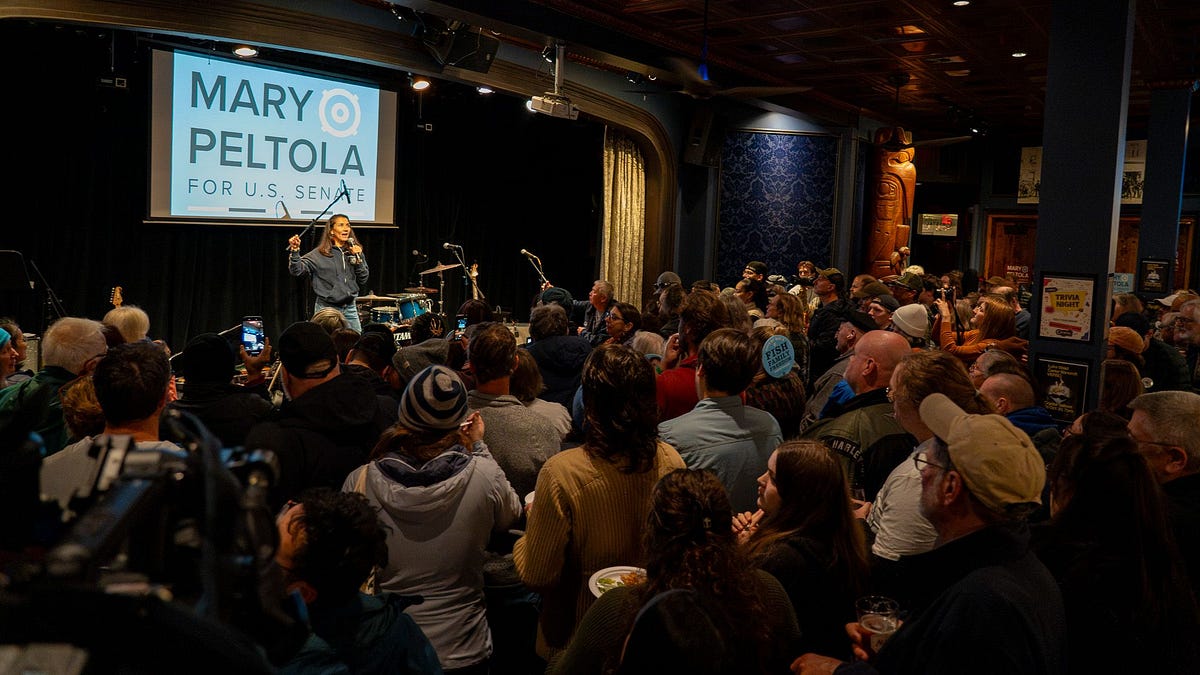
Last night at the Crystal Saloon in Juneau, more than 250 attendees joined the fourth Get-Out-The-Vote rally of the week. Peltola writes that the event’s energy stood in sharp contrast to the television advertisements and political attacks dominating the airwaves in the final days before Election Day.
“When I’m in rooms across the state, surrounded by Alaskans from all walks of life, from Kiana to Juneau and everywhere in between, all the outside noise falls away,” Peltola writes in the Substack post, describing her motivation to run for the seat.
The Economics of Rural Survival and Rising Prices
Peltola’s essay centers heavily on the economic strain felt by residents, highlighting specific household hardships such as paying $17 for a gallon of milk and managing half-empty freezers heading into the winter months. She attributes these conditions to corporate greed, skyrocketing living costs, and declining fisheries that leave local fishermen unable to make a living.
Contrasting her approach with her opponent’s record, Peltola points to historical models of independent Alaskan leadership like Ted Stevens and Don Young, whom she notes were willing to break with party leadership to secure disaster relief and support public media for rural communities. In contrast, she criticizes her opponent for voting 14 times for the Iran war and referring to high gas prices as an “externality.”
Logistics of the “Alaska Always” Tour
To drive voter turnout before Election Day, the campaign has organized the “Alaska Always” tour, requiring substantial resources to charter small planes, rent venues, and provide food and live music for hundreds of attendees. Following the Anchorage rally, the tour moves to Bethel and Fairbanks before concluding on Election Day.
Peltola closes her essay by asking supporters to contribute financial resources to help power the final days of the tour and secure a victory in the race.