The Secret Strategy That Could Reshape Alaska’s Senate Race
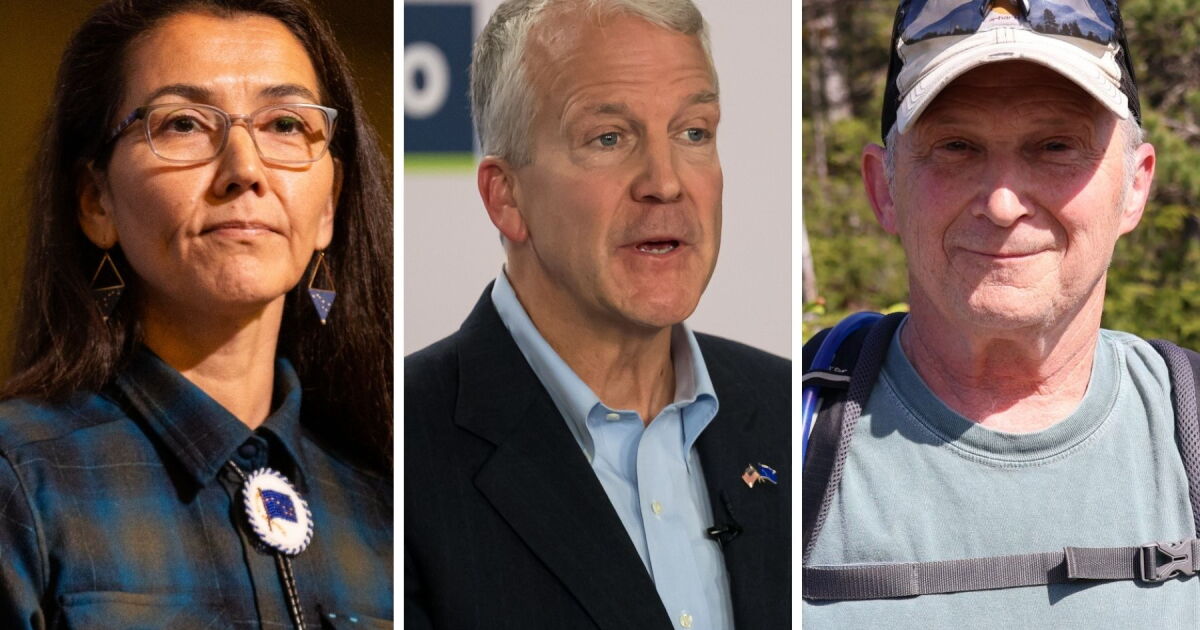
When the New York Times broke the story last week about Democratic operatives secretly recruiting Republican candidates to run as spoilers in Alaska’s U.S. Senate race, the revelation stunned a state already deeply polarized over its unique ranked choice voting system. The article, reported by Kellen Browning, exposed a labyrinth of behind-the-scenes maneuvering that has left voters, politicians, and legal experts scrambling to assess the implications. At the center of the scandal: a man named Dan J. Sullivan, who shares a name with the incumbent Republican Senator Dan Sullivan, and a shadowy figure named Jarid Kurtz, alleged to have orchestrated the effort.
The Times reported that Mary Peltola’s former campaign manager, Elisa Rios, confirmed to the outlet that Democrats had actively sought to place “ballot tricks” in the race. Rios, who was fired in August and later threatened to sue, provided critical details that were corroborated by multiple sources, including a candidate who claimed to have been approached under a pseudonym. The story also revealed that the Petersburg Sullivan, the man with the same name as the senator, was contacted by Kurtz, who allegedly encouraged him to run, though the candidate denies being pushed into the race.
The Hidden Cost to the Suburbs
The stakes for Alaska’s voters are profound. The state’s ranked choice voting (RCV) system, designed to ensure majority support for winners, could be undermined by the presence of two candidates with the same name.
The Devil’s Advocate: Is This Just Politics as Usual?
Democrats have defended the tactics as a standard part of competitive elections. “This isn’t new,” said a representative, who noted that both parties have historically used similar strategies.
Jarid Kurtz, a political strategist from Ohio, was reportedly involved in recruiting Republican candidates using pseudonyms and secrecy, according to the New York Times, which noted that the use of pseudonyms and the secrecy surrounding the recruitment efforts have drawn criticism.
Why This Matters to You
The implications extend beyond Alaska.
The story also shows a trend in modern politics: the increasing use of “dark money” and covert strategies to influence elections. While the Alaska case doesn’t involve money, it raises similar concerns about transparency and accountability.

The Unanswered Questions
Key questions remain. Did the Peltola campaign knowingly enable the recruitment of spoilers? What role did the DSCC play in vetting Kurtz? And how will the Justice Department’s ongoing lawsuit against the Trump administration interact with this case? The Times reported that the DOJ’s amended complaint referenced the story, suggesting the federal government may view the tactics as part of a broader pattern of election interference.
For now, the race remains a microcosm of the challenges facing American democracy.