Michigan Voters Reject Constitutional Convention as Ballot Proposals Shape Metro Detroit
Voters across Michigan delivered a clear verdict on the state’s political future this Tuesday, soundly rejecting Proposal 1. The automatic ballot question, which appears every 16 years, asked residents whether to call an elected convention to overhaul the 1963 state constitution. By voting to leave the document intact, the electorate sided with a broad coalition of labor, civil rights, and voting advocacy groups. These organizations had warned that a ground-up rewrite could invite political instability and jeopardize existing protections for citizen ballot initiatives and voting rights.
While the statewide constitutional question failed, a different citizen-led initiative saw overwhelming success. Proposal 2—the “Money Out of Politics” initiative—passed with approximately 80% of the vote. The measure introduces significant new restrictions on campaign finance, including a ban on donations to state candidates and party committees from regulated electric and gas utilities, as well as government contractors holding more than $250,000 in state work. It also mandates “paid for by” labels on digital political ads and closes the “issue ad” loophole to force disclosure of donors behind outside spending.
The implementation of these new rules may face immediate hurdles. The Mackinac Center for Public Policy has announced plans to file a federal lawsuit to block the measure, arguing that it infringes upon the free speech rights of non-political entities.
Public Safety and Transit Millages Secure Funding
Local communities across Metro Detroit saw a shift in fortunes for public safety funding. In the August primary, voters had struck down several police and fire millages in Orion, Waterford, Highland, Independence, Brandon, and Sumpter townships. By placing these issues back on the general election ballot, local officials secured approval across the board.
In Orion Township, Chris Barnett attributed the turnaround to an aggressive public outreach campaign. “The credit goes to the people that came out yesterday,” Barnett told WWJ Newsradio 950’s Luke Sloan. He noted that the community had seen record turnout, and without the approval, the township’s police and fire departments would have exhausted their funding by the spring.
Elsewhere, infrastructure and community services saw strong support. The Macomb County Veterans’ Millage was renewed by 79% of voters, ensuring continued financial aid and administrative services for local veterans. Similarly, the SMART bus system received a 65% approval rating for a five-year, 0.94-mill tax levy to maintain fixed-route and paratransit services.
Museums and Zoos Retain Regional Support
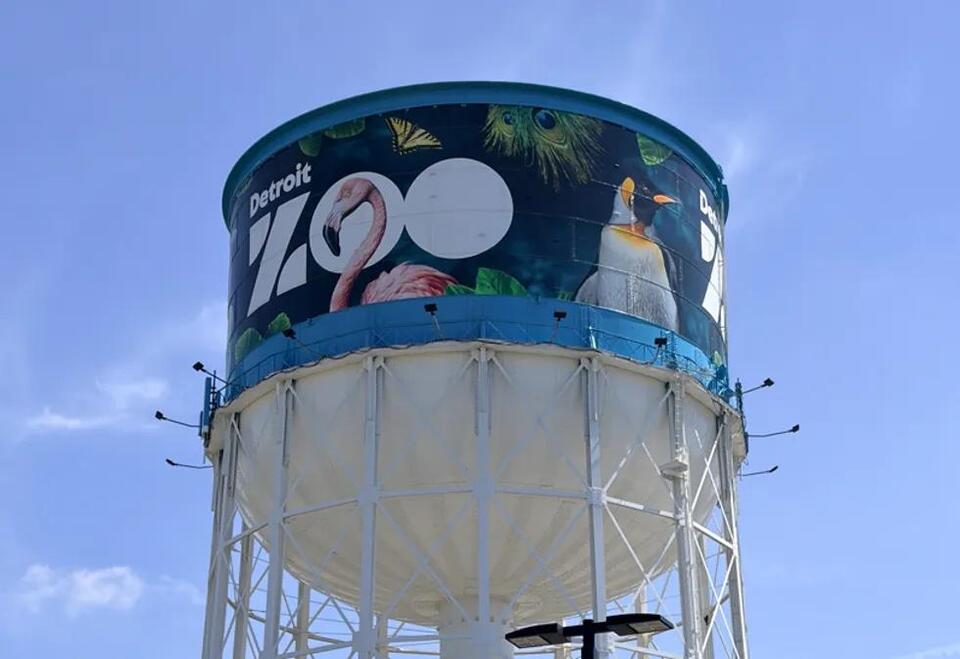
Cultural institutions in the region also received a financial boost. Voters across Wayne, Oakland, and Macomb counties decisively approved a 10-year millage renewal for the Detroit Zoo. The 0.1-mill property levy, which costs homeowners about $10 annually per $200,000 of market home value, provides roughly one-third of the operating costs for the Royal Oak zoo grounds and the Belle Isle Nature Center.
A separate millage for Detroit-area museums was also successful, passing with 60% of the vote. This measure guarantees free admission for residents of Wayne and Oakland counties to the Charles H. Wright Museum of African American History, the Detroit Historical Museum, and the Dossin Great Lakes Museum. The funding is expected to help these institutions maintain staffing levels and extended operating hours.
Infrastructure Bonds and Local Name Changes
Construction projects are slated for expansion following the passage of a $75 million bond proposal in Pontiac, which allows the city to borrow funds for street reconstruction in neighborhoods. Meanwhile, in Dearborn and portions of Dearborn Heights, residents approved a 20-year, 3.14-mill school bond proposal by roughly 68% to 31%, clearing the way for widespread infrastructure upgrades across district facilities. Not every local proposal found success, however.