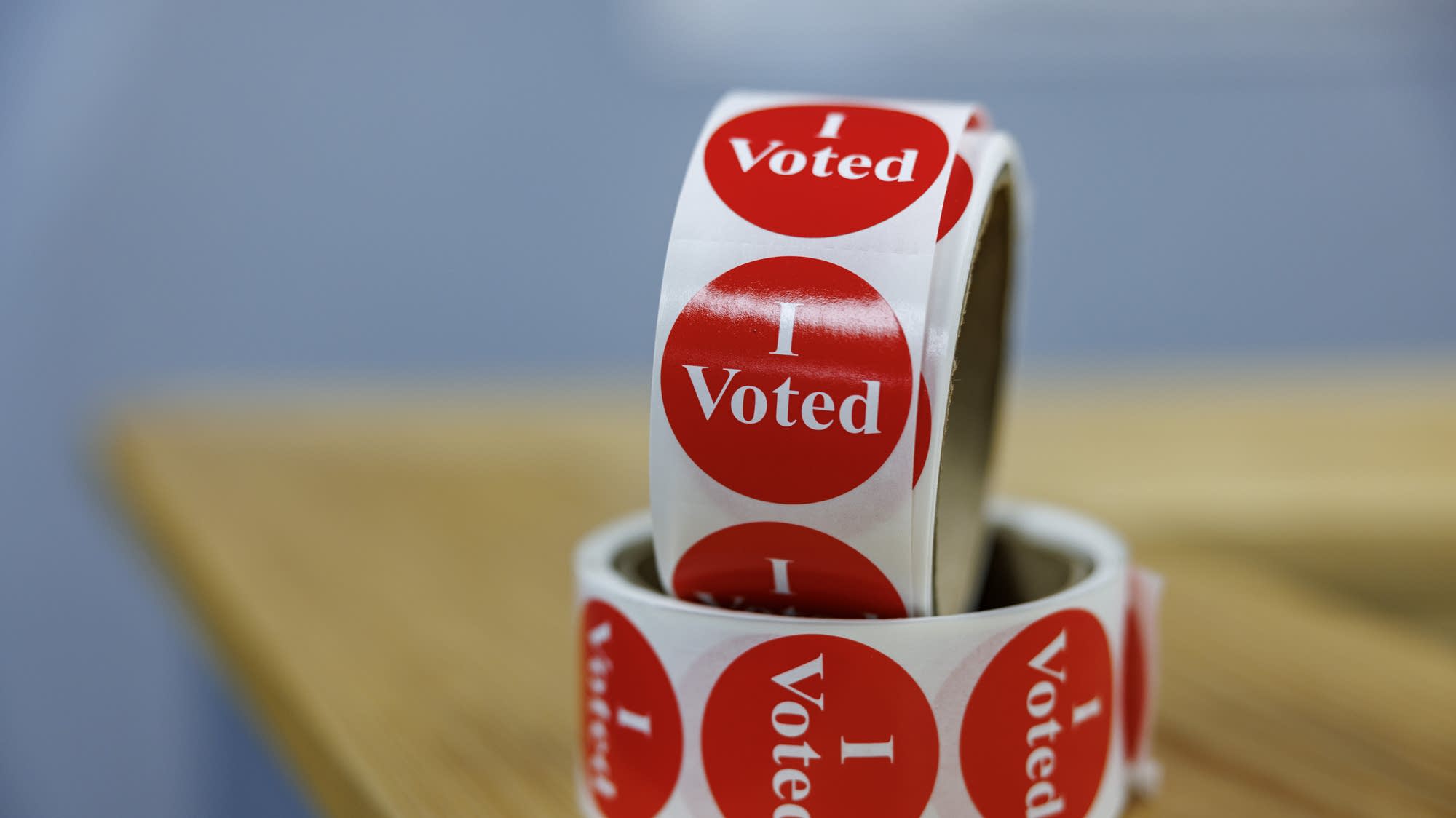
Minnesota Sets a New Midterm Voter Turnout Record
Minnesota voters turned out in historic numbers for the 2026 midterm elections, casting more than 2.8 million ballots. According to unofficial figures from the office of Secretary of State Steve Simon, this participation rate exceeds 64 percent of the state’s eligible voters. About 300,000 more people voted this year compared to the last midterm election in 2022.
The scale of this turnout reaches beyond recent cycles. The 2026 figures surpass the previous midterm record established in 2018, when more than 2.6 million Minnesotans voted, representing a 64.25 percent turnout rate. For context, the 2022 election saw more than 2.5 million voters, or 61.01 percent of those eligible, according to data from the Secretary of State’s office.
Minnesota Leads National Voter Turnout as Tight Margins Trigger Recounts
Preliminary estimates from the University of Florida’s Election Lab suggest Minnesota may hold the highest voter turnout rate in the nation for this cycle.
The margins in several contests remain tight as the state moves toward certification. As of November 4, four races in Minnesota fall within the threshold for a publicly funded recount. Under state law, a recount can be requested by a losing candidate if the margin is less than 0.25 percent for federal, constitutional, or judicial offices, or less than 0.5 percent for state legislative seats. These results will undergo formal verification by county canvassing boards, leading up to the State Canvassing Board’s final certification on November 19.
The Political Shift Behind the Numbers
The record-breaking participation arrived during an election that saw Democrats secure control of the state Legislature and every statewide office, mirroring a broader national trend that also handed Democrats control of both the U.S. House and U.S. Senate.
Preya Samsundar points to the federal government’s immigration enforcement policies as a primary driver of voter engagement, particularly within the Twin Cities. She suggests that these policies disrupted coalition-building efforts Republicans have pursued for over a decade.
Republicans have been making consistent gains with those demographics and those key demographics since 2016, but that was all wiped away during last night’s election, and I think some of that does have to do with the immigration enforcement.
Samsundar said.


