Governor Phil Scott Wins Historic Sixth Term in Vermont
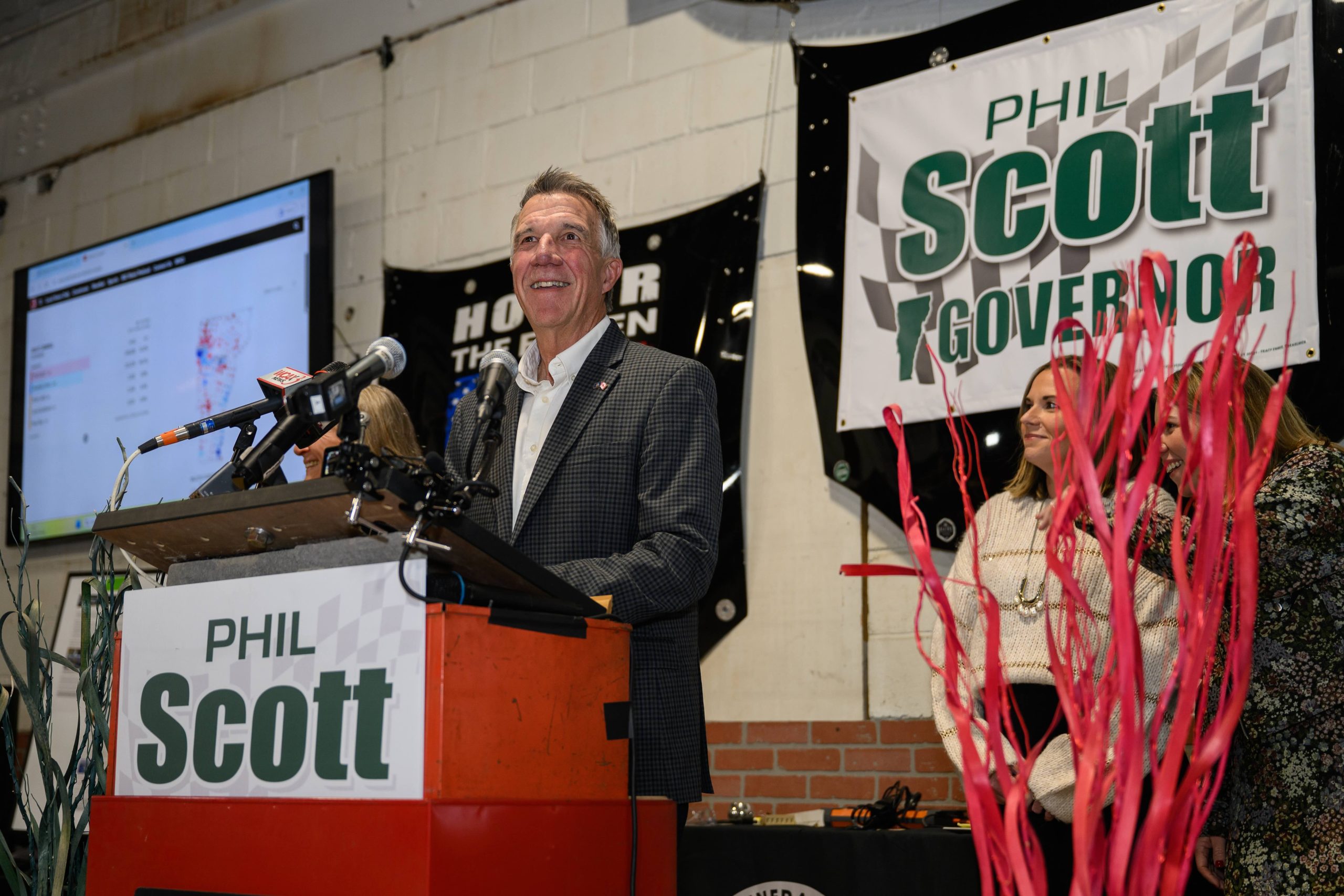
Vermont Governor Phil Scott secured a historic sixth term as the state's chief executive on Tuesday, defeating a hard-fought challenge from Democratic/Progressive candidate Amanda Janoo. Scott held a 7-point margin, leading 52 to 45 percent when Janoo conceded shortly before 11 p.m. That victory makes Scott the longest-serving governor in Vermont since the state became a state in 1791, should he complete his sixth term, surpassing former governor Howard Dean’s tenure of 11.5 years.
Yet the electoral map told a complicated story beneath the top of the ticket. While Scott celebrated his win in Montpelier, he was the only Republican to win a statewide race on Tuesday. Democrats simultaneously made huge gains in the Statehouse that could restore their supermajority to one or both chambers.
Margins Narrow Against Energetic Grassroots Effort
The governor’s race was far closer than Scott’s three most recent reelection campaigns. In 2024, he garnered more than 73 percent of the vote in defeating Esther Charlestin. Brenda Siegel fell short against him in 2022 when he secured 71 percent of the vote, whereas David Zuckerman captured 68.5 percent in their 2020 contest. This year, facing Janoo’s energetic grassroots effort, those margins narrowed considerably.
Janoo told the crowd at her Burlington watch party after being introduced by U.S. Sen. Bernie Sanders (I-Vt.) that what she and her supporters accomplished was genuinely more than she possibly could have dreamed. She added that while they may not have won the governor’s office, they proved that another way of doing politics is possible.
Janoo raised more than $1,000,000 from around 8,600 individual donors, while mobilizing more than 1,900 volunteers for canvassing and phone banking. On the other side, Scott benefited from more than $1,000,000 of spending by the Republican Governors Association committee on advertisements targeting Janoo.
Lawmakers Enter Next Two Years with Significant Differences
Addressing cheering supporters in Montpelier, Scott acknowledged the impending reality in the Statehouse. He noted that he and lawmakers will enter the next two years with significant differences in their political views and approaches to our government. He reiterated his core platform: growing the economy, focusing on taxpayers rather than taxes, and ensuring fiscal responsibility.

Paul Dame, chair of the VTGOP, expressed satisfaction with Scott’s personal victory while voicing concern over down-ballot legislative losses. Based on Dame’s assessment, the organization was positioned to forfeit roughly half a dozen House seats alongside as many as five in the Senate. Analysts pointed to national political dynamics affecting vulnerable legislative candidates, even as Scott’s moderate brand insulated him from broader headwinds.
With independent candidate Brian Judd, Peace and Justice candidate June Goodband, and Freedom and Unity candidate Dean Roy also appearing on the ballot, Vermont voters ultimately preserved a familiar dynamic: a moderate Republican executive paired with a legislature where Democrats made gains, leaving the state’s political leadership primed for negotiation over housing, healthcare, and education spending formulas.