State Treasurer Race Centers on Investment Returns and Pension Governance
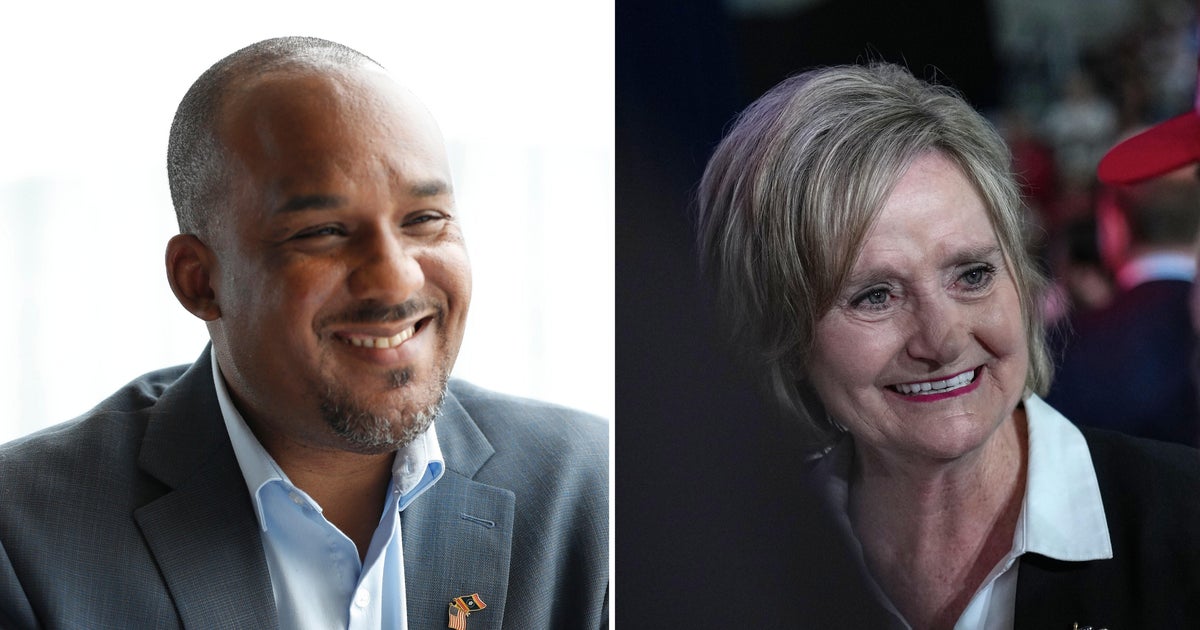
Iowa State Treasurer Roby Smith defended his financial management record against Democratic challenger John Norwood. Smith pointed to a substantial expansion of state funds placed in local financial institutions during his current term, contrasting his approach with the strategies advocated by his opponent.
When Smith took office four years ago, approximately $150 million in state money was temporarily invested in Iowa banks, according to figures shared by the Republican incumbent. That figure has since climbed past half a billion dollars.
“I’ve increased that to over half a billion dollars,” Smith said. “That’s a 200% increase.”
State tax revenues are put into temporary investments by the Iowa State Treasurer as soon as they are collected, and these monies are pulled back out when spending is due. In the last fiscal year, Smith managed $10 billion in state tax collections in temporary investments.
“In the treasurer’s office, it’s a scoreboard business, and we put up record numbers,” Smith said. “I managed $10 billion in the state idle money fund and we have brought in over $1 million a day in interest, an all-time record. To put that in perspective, the previous state treasurer, his last four years brought in $100,000 a day.”
Norwood pointed out that out of $10 billion in collected taxes, putting merely $1 billion into Iowa financial institutions falls short. Keeping funds within Iowa credit unions and banks directly impacts lending capacity and economic growth.
“Keeping more of our Iowa taxpayer money in Iowa, working through our Iowa banks and credit unions is an incredibly important part of this job,” Norwood said. “Banks and credit unions make… loans based on deposits. Deposits help grow the economy. If that money leaves the state, it’s a lost opportunity to grow our Iowa economy, which happens to be in the tank.”
Debate Over Pension Oversight and IPERS Leadership
Beyond state investments, the two candidates clashed over the governance structure of the Iowa Public Employees Retirement System, known as IPERS. The debate follows recent executive turnover at the state-run pension system, where Gov. Kim Reynolds appointed a new CEO for the Iowa Public Employees Retirement System. Following allegations of misconduct and a subsequent inquiry, the former chief executive officer stepped down and a separate high-ranking administrator was terminated this spring.
Norwood contended that the pension fund’s board of directors should be involved in selecting the CEO of IPERS.
“We have a CEO that isn’t hired and fired by the board. That’s not in step,” Norwood said. “The mismanagement issues are a reflection of the issues of the governance.”
The head of IPERS used to be hired by a state agency director. Under a statute enacted in 2003, governors were granted the power to select the IPERS CEO, provided the choice receives confirmation from two-thirds of the state senate. Smith defended this established statutory framework, noting it has remained consistent across administrations of both political parties.
“It is something that has worked,” Smith said. “When I came here in 2011, as state senator, IPERS was funded at about 80%. Today it’s funded at 94.5%.”
According to Reynolds, the alleged misconduct resulting in the termination and resignation of two IPERS executives did not involve financial matters. However, Norwood pointed to a lawsuit filed by an IPERS employee who was fired and claims investment returns have been inflated, arguing that an independent investigation is necessary to fully examine the situation.
“Right now, though, we don’t have an independent investigation. We don’t really know the depth of the issues because that has all been swept under the rug,” Norwood said. “And the investigation is internal to the executive branch.”
Smith emphasized that his primary objective regarding the pension system centers on long-term strength.
“We are a top 10 pension, but what’s most important is we need to keep the promise to current and future retirees,” Smith said.