Northeast Indiana Casino Referendums Fail Across All Three Counties on Election Day
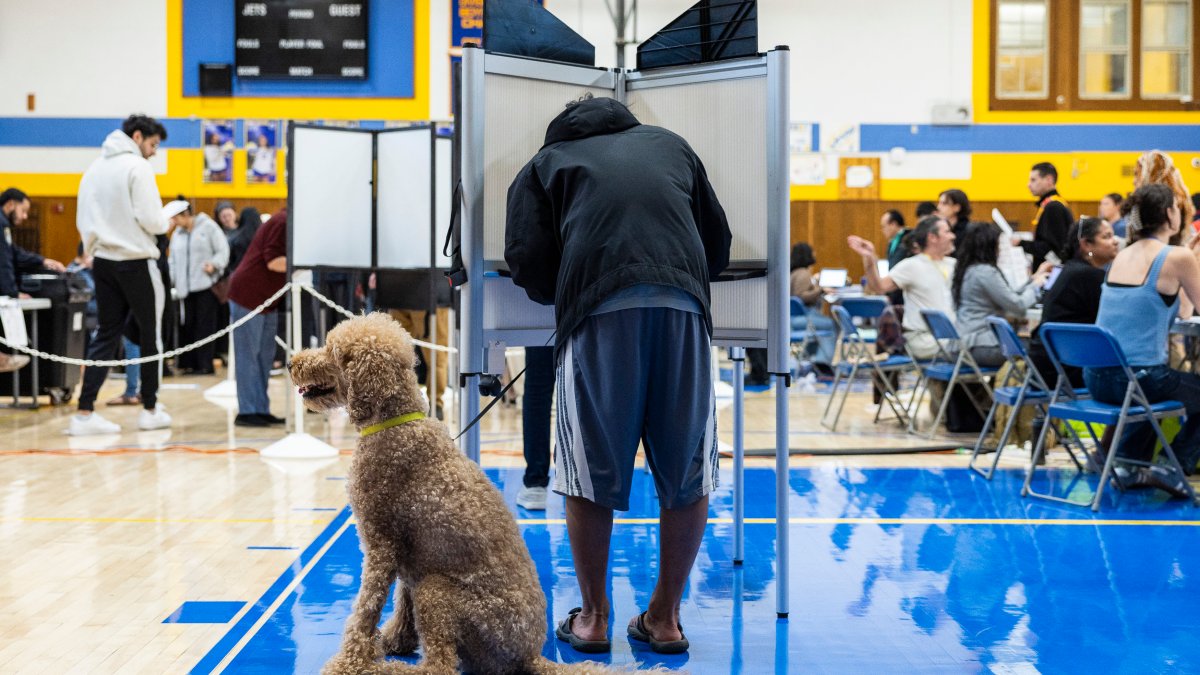
The push to bring commercial casino gambling to northeast Indiana met a swift and definitive end when voters in Allen, DeKalb, and Steuben counties rejected local ballot referendums on November 3, 2026. According to final unofficial results, 59.6% of voters in Allen County—totaling 61,310 against 41,625 votes—denied Public Question No. 3, shutting down a proposal that had divided the region for months.
The ballot questions originated from House Bill 1038, legislation signed in March 2026. The law permitted the creation of a single inland casino in one of the three northeast counties, contingent upon voter approval via local referendum. Because all three electorates rejected the measure, the Indiana Gaming Commission remains prohibited from awarding a casino license to any prospective developer in the region. State law dictates that counties voting down the measure cannot hold a second public question on the matter.
Neighboring Counties Follow Allen’s Lead Against Expansion
The resistance was not isolated to Allen County. Voters in neighboring DeKalb and Steuben counties matched the sentiment, defeating the gaming initiative. In DeKalb County, 64.6% of ballots cast opposed the casino question, while 58.7% of Steuben County voters did the same.
Campaigns on both sides mobilized aggressively in the lead-up to Election Day. Sharon Tucker and all three members of the Allen County Board of Commissioners penned a letter to state lawmakers in December 2025 voicing support for a casino in Allen County. The Vote Yes for Allen political action committee argued the project would create thousands of jobs and generate millions in new revenue without raising taxes, citing an economic study by commercial real estate firm CBRE Group, Inc.

That same CBRE study projected that a casino in Indiana’s second-largest city would generate $28.1 million in annual local tax revenue and create almost 1,000 permanent jobs. However, the report also detailed that the facility would directly employ about 950 workers locally, with under 2,500 of the estimated 5,500 construction jobs projected for the area itself.
Coalition Argues Casino Threatens Existing Local Jobs
Opponents seized on those exact employment figures to question the true net benefit of the development. Save Northeast Indiana, a grassroots coalition of residents, business owners, and faith leaders, argued that the projected job numbers failed to account for losses in existing local sectors. The coalition noted that a casino could siphon patrons and workers away from local restaurants, hotels, and retail establishments.
Additional resistance came from groups like the Coalition for a Better Indiana, which organized informational meetings across the region to highlight concerns regarding gambling addiction. Opponents cited an economic impact report out of Kenosha County, Wisconsin, to caution against potential spikes in local crime following a casino’s opening.
As campaigns like “Save Fort Wayne” blanketed local media with warnings regarding addiction, bankruptcy, and poverty, the legislative backing for the project also evolved. Full House Resorts had originally pushed for House Bill 1038 to relocate its existing Rising Star Casino license from Rising Sun to northeast Indiana. However, lawmakers amended the bill to require a $150 million licensing fee and a minimum investment of $500 million while opening the bidding to any qualified developer. Those steep financial hurdles ultimately cooled interest from major operators.
With the referendums defeated, Indiana’s commercial gaming market remains capped at its existing 13 properties, which generated $1.84 billion in gross gaming revenue from slots and table games through September 2026.