In a recent column for Week, a resident of Portland’s Woodlawn neighborhood explores the complex transformation of the Dekum Triangle, arguing that the area’s current commercial success masks a profound demographic and historical shift. The author describes a neighborhood that has transitioned from a primarily Black, working-class enclave into a “buzzy” destination for craft cocktails, breweries, and trendy eateries, raising urgent questions about what it means to build a business for a community versus building one that turns a neighborhood into a destination.
The Dekum Triangle—the commercial nucleus of Woodlawn—is currently defined by a specific brand of Portland "cool." The area features a dense cluster of businesses including LaVerne’s, a rotisserie chicken and cocktail spot; Breakside Brewery’s flagship pub; Woodlawn Coffee; P’s & Q’s Market; and a local farmers market. To a casual observer, the area appears to be thriving. However, the author contends that this veneer of revitalization obscures the displacement of the very people who maintained the neighborhood’s character through decades of disinvestment.
The changing face of Northeast Portland
The economic evolution of the Dekum Triangle is not merely a matter of changing tastes in food or music; it is a reflection of broader shifts in Portland’s racial and economic geography. Twenty years ago, the author writes, the triangle was a predominantly Black, working-class neighborhood where small businesses were largely owned by Black and BIPOC residents. Even major retailers like Safeway and Walgreens maintained majority Black and BIPOC staffs.
While Portland has become more diverse over the last two decades, the data tells a more complicated story of displacement. According to Census data cited in the piece, Portland’s population was nearly 80% white in 2000, a figure that dropped to 68% by the 2020 Census. Yet, despite this overall diversification, the city’s Black population has actually decreased by approximately one percentage point since the turn of the millennium.
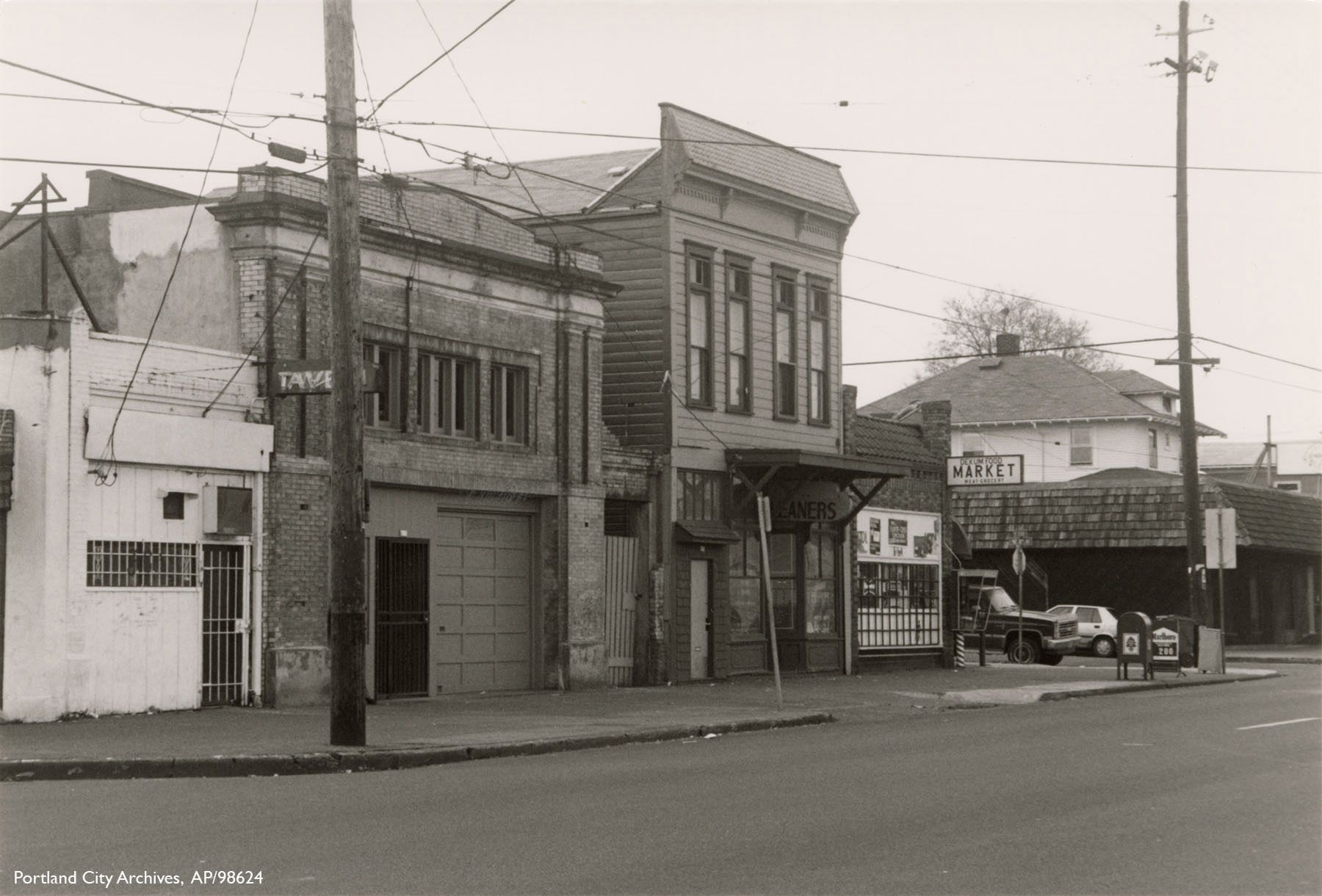
This demographic shift is tied to deeper systemic issues. The author notes that the generation of homeowners in Woodlawn has been aging out, often selling homes below the market median due to the lingering effects of redlining. Others have been priced out by rising costs in a neighborhood that was once an accessible place for BIPOC families to establish roots. The stakes of this economic pressure are visible in the local school system; a 2023 KGW-TV docuseries, Inside Woodlawn, reported that more than half of the students at Woodlawn Elementary do not live in the neighborhood because their families can no longer afford to rent or own homes there.
| Year | Business/Event Milestone |
|---|---|
| 2007 | Good Neighbor Pizzeria opens |
| 2008 | Firehouse restaurant establishes presence |
| 2010 | Breakside Brewing arrives |
| 2013 | P’s & Q’s Market opens |
| 2018 | Campana opens |
Honoring history versus driving destination culture
As new businesses occupy old landmarks, a tension has emerged between honoring the past and catering to a new demographic. The building housing LaVerne’s, for instance, was once the Woodlawn Oddfellows Lodge, a community hub for weddings and graduations. Aaron Hall, a member of the team behind LaVerne’s, told Week that his team consulted with neighborhood figures, such as Woodlawn Neighborhood Association historian Anjala Ehelebe, to ensure the business understood the building’s history.

Despite these efforts to incorporate references to Black Portland history into the décor, the author observes a disconnect between the neighborhood’s stated ambitions and its lived reality. During a recent evening spent at the new establishments, the author noted that while the spaces were joyful and well-funded, they lacked the demographic diversity that once defined the area, observing only two Black patrons during a multi-hour visit.
The debate surrounding gentrification often centers on the idea that new investment is an unambiguous improvement.
The history of the area is also inextricably linked to the Vanport Flood, an event that displaced thousands of Black Portlanders and helped shape the city’s current racial geography. Businesses like High Water Mark, named after the flood’s mark, attempt to acknowledge this history. Yet, the author suggests that a name on a sign cannot undo the reality of displacement caused by public policy and discrimination.