The U.S. Army delayed the controlled destruction of 9,500 pounds of unstable lead azide at the Iowa Army Ammunition Plant, pushing the operation from Friday to Monday amid growing public concern and a last-minute legal challenge.
Degraded Lead Azide Triggers Emergency Permit
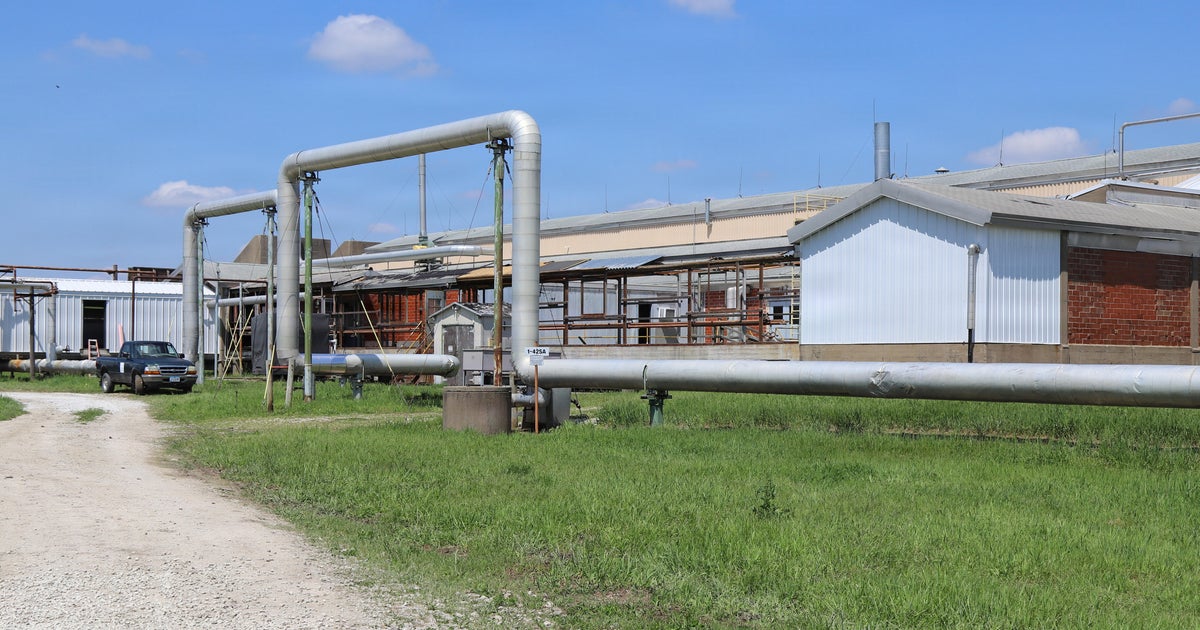
Staff at the Middletown facility found several dozen barrels containing lead azide that had degraded earlier this year, creating a highly unstable and dangerous situation according to an emergency permit approved by the U.S. Environmental Protection Agency.
The explosive compound is used as a detonator in medium- and large-caliber ammunition produced for the Department of Defense. Authorities concluded that because the substance has been kept at the site for over 20 years and is now too volatile for secure movement or off-site handling, detonating it where it sits is the most protected course of action.
The EPA approved the emergency permit on Nov. 13, and the Army publicly announced its plans on Nov. 15. Environmental groups filed a lawsuit in federal court challenging the EPA emergency permit and asking for a court order preventing the blast from moving forward. The legal complaint contends that the authorization was granted without properly weighing environmental regulations, safer disposal options, or providing sufficient warning to residents living within the danger area.
The Sierra Club’s Iowa Chapter and the Iowa Environmental Council filed the suit on Nov. 19 to challenge the emergency permit. Sarah Green, executive director of the Iowa Environmental Council, said that the Army has no other safe alternative to disposing of the toxic lead azide.
Public safety is the Army’s top priority, and I have directed Army Materiel Command to postpone tomorrow’s controlled detonation at the Iowa Army Ammunition Plant in Middletown, Iowa until Monday, November 23. This will delay the detonation until the latest possible moment prior…
Meanwhile, Justine Barati, a public affairs specialist at the Army Sustainment Command, explained that the barrels had been stored in earthen-covered containers for over two decades, sitting in a bath of ethanol and water to keep the material stable.
Army Warns of Building Damage, Orders Evacuations
The planned detonations are powerful enough that the Army warned of possible damage to nearby buildings, including shattered windows. Residents in Middletown’s City Park neighborhood were asked to temporarily evacuate their homes, while others in the hazard zone were instructed to stay inside with windows and doors closed, bring pets and livestock indoors, and place heating, ventilation, and air conditioning systems in recirculation mode.
Initial projections indicated that a possible airborne plume might travel north across eastern Iowa, over the Mississippi River, and potentially reach far northwest Illinois. Acting Secretary of the Army Adam Telle announced the delay on X, stating that “public safety is the Army’s top priority,” according to reports from KCRG.
Staff at the Iowa State University Extension office in Des Moines County fielded calls from local residents who were deathly afraid for their animals and vegetable gardens. The Army said that the detonation will result in an air plume containing lead particles that could settle on farmland, playgrounds, and other surfaces.
Reaction From State Leaders and Health Officials
Elected officials and environmental regulators from both Iowa and Illinois urged the Pentagon and the EPA to delay the operation. Iowa Gov. Kim Reynolds spoke directly with Acting Secretary Telle, and her office expressed gratitude for the decision to postpone the blast. State leaders criticized the initial rollout for providing inadequate notice to families and local authorities.
The Iowa Army Ammunition Plant, which spans 19,011 acres, was established in November 1940 as the Iowa Ordnance Plant and began production the following year. The facility, which currently features 767 buildings and 271 storage igloos, functions as a government-owned, contractor-operated site.
In a recent shift, the facility became the location for a future artillery complex operated by a foreign company, marking the first time such an entity has participated in artillery production for the U.S. Army.
This whole operation was poorly planned and poorly communicated. Families were abruptly told to avoid the area, unsure if they would return to broken homes and whether their air and water could be at risk due to toxic lead exposure. This was unacceptable and a failure of leadership of epic proportions.
Rob Sand, Iowa Auditor and Governor-elect, via USA Today
Health authorities emphasized the risks of lead exposure, noting that there is no safe level of lead in the human body. James Jennings, director of the Illinois Environmental Protection Agency, urged the Department of Defense to conduct comprehensive post-detonation environmental sampling of air, soil, and surface dust in potentially impacted areas of Illinois.
Similarly, Sameer Vohra, Director of the Illinois Department of Public Health, warned that when inhaled or swallowed, lead can pose serious health risks, advising residents to stay indoors and wash outdoor surfaces with soap and water after the operation.