Warming waters are altering salmon run timing in Southeast Alaska, with fish returning home earlier than they used to in a trend spanning 46 years, KTOO reported.
Decades of Auke Creek Data Reveal Shifting Runs
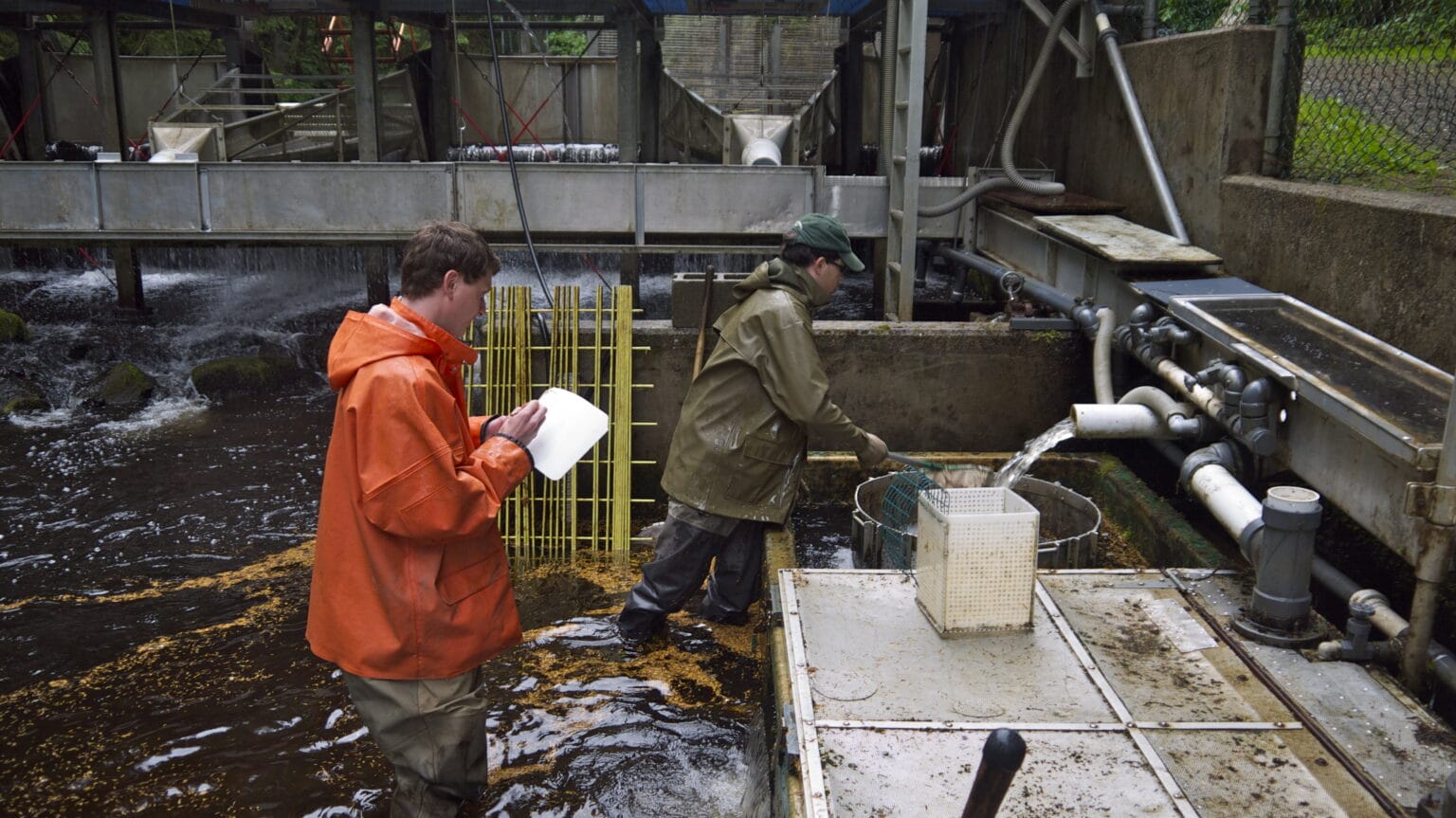
The shift is documented in an annual report published by the National Oceanic and Atmospheric Administration in August. The findings detail long-term tracking data from the Auke Creek Research Station, which houses the Auke Creek weir near Juneau. Operated by NOAA Fisheries Auke Bay Laboratories, weirs use shallow river barriers to catch and track fish populations as they move through local waterways.
All Pacific salmon species are running earlier up the Auke Creek weir, according to the report. The data aligns with research published in 2013 that found climate change is influencing the shift in migration timing.
Rising Temperatures Disrupt Biological Triggers
According to the NOAA report, water temperatures at Auke Creek have risen significantly since 1980. The average temperature from 1980 to 2024 sat at 7.5 degrees Celsius. In 2025, that average rose to 8.3 C.
David Tallmon, a professor of biology at the University of Alaska Southeast who has worked at the weir for 16 years, said he is worried about what these environmental changes mean for the future of the fish. He noted that maintaining healthy populations remains critical for both human communities and other wildlife species that depend on the runs.

“We all have the same interests and concerns for the future of fish, given how fast we’re seeing the environment change,” Tallmon said.
Tallmon explained that salmon rely on environmental cues, including water temperature, to trigger their instincts for both returning to their natal streams and heading out to sea. When those cues shift, the timing of the entire run moves with them.
Commercial Fisheries Face Management Headaches
The consequences stretch beyond local creeks into commercial harvesting economies. Curry Cunningham, a fisheries scientist for the University of Alaska Fairbanks at the Lena Point Fisheries Facility who studies the Bristol Bay commercial salmon fishery but is not involved with the Auke Creek weir, noted that changing run timings complicate both conservation efforts and fisheries management.

“If you’ve had high escapements up through a given point in season, that can point to a large run size. When in reality, the run is just early,” Cunningham said.
Stability Amid Changing Calendars
Bristol Bay is experiencing similar environmental pressures, with adult sockeye migrating upriver earlier than usual. Yet despite the disruptions to the calendar at Auke Creek, overall abundance has remained stable. The NOAA report indicates that the total number of salmon counted at the weir has stayed roughly the same, even as the schedule has shifted.