Wichita Public Schools Asks Voters to Approve $615 Million Bond Issue
Wichita Public Schools voters are deciding Tuesday on a $615 million bond issue aimed at rebuilding and renovating more than 15 district facilities, according to reporting by the Wichita Eagle. The massive infrastructure proposal is split into two distinct ballot questions. The second question remains strictly contingent on the first question passing.
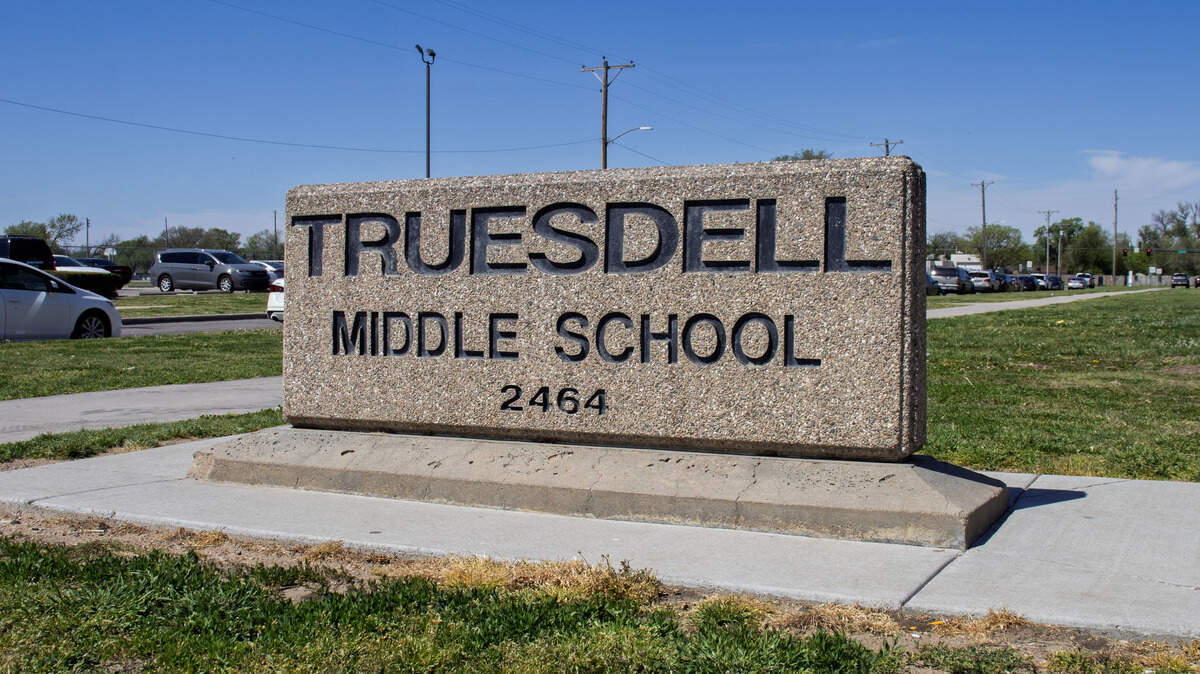
Question 1 asks voters to authorize up to $407.1 million for projects across the district. This funding includes a $103.9 million rebuild of Truesdell Middle School, complete rebuilds of Black, McLean and Chisholm Trail elementaries, and a middle-school addition at Cessna Elementary. The initial question also covers historic preservation work at North and East high schools alongside a brand-new FutureReady Center for Trades at East.
How the Second Question Expands the Scope
Should the first question clear the ballot, Question 2 unlocks up to $207.9 million for additional infrastructure work. This secondary funding package targets the rebuilding of Adams Elementary and Coleman Middle schools. It also funds the renovation of the currently closed Hadley Middle School building to house the Horace Mann Dual Language Magnet, which in turn allows Irving to move into the Horace Mann building.
Additional projects under Question 2 include converting OK Elementary into an early childhood center, preservation work at four high schools, and upgraded Career and Technical Education (CTE) spaces at four high schools. Rather than building a brand-new early childhood facility, the district plans to repurpose OK Elementary on West Street near 13th and I-235, providing centralized access for buses and parents, as noted by the official Wichita Public Schools Bond information portal.
Supporters and Opponents Debate Priorities at the Polls
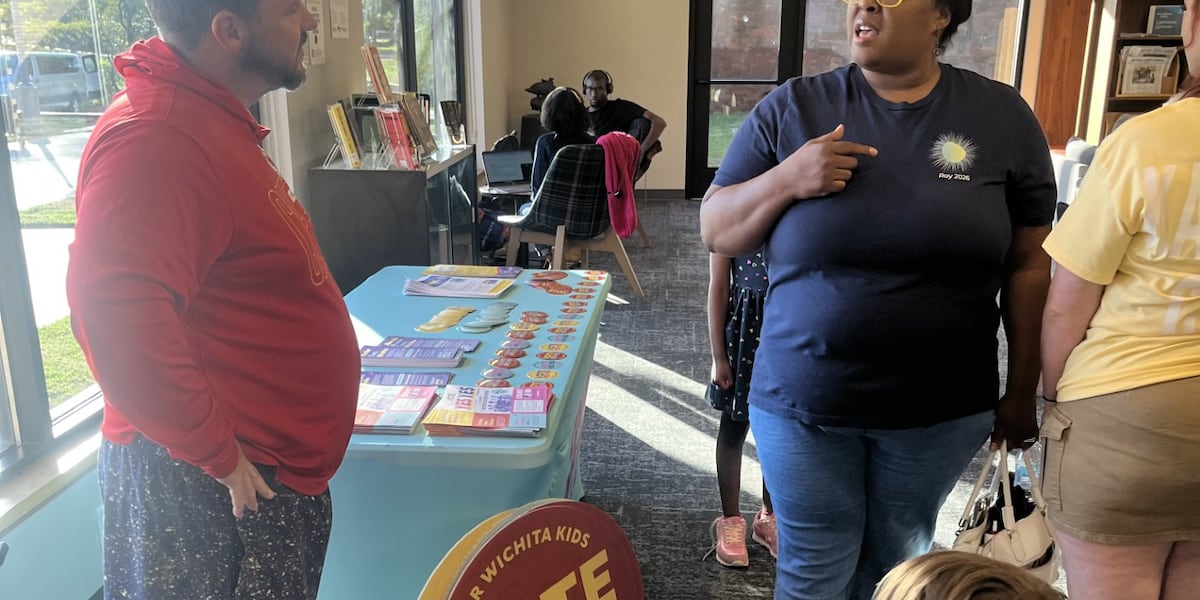
Ahead of the November 3 vote, supporters and opponents squared off at public forums, including an intense debate at the Rockwell Branch Library in east Wichita covered by KWCH. Proponents argued that district facilities are an average of 60 years old and that the community has gone nearly two decades without passing a school bond.
“Here’s what’s on the ballot. Two questions. Question one is $407 million, question two is $208 million. Here’s why it matters. Our schools are an average of 60 years old,” said Luis Rodriguez, speaking for Vote Yes, during the KWCH debate.
On the opposing side, the Improve Learning First Coalition, led by former State Board of Education member Walt Chappell, argued that the district should prioritize raising student test scores before investing heavily in new construction.
“You look at the schools they want to close. They’re in good condition, and we’ve already invested millions of dollars,” Chappell said during the KWCH debate regarding schools slated for consolidation.
Superintendent Kelly Bielefeld countered that modern learning environments and academic achievement are not competing priorities. Bielefeld pointed to recent gains in graduation rates, reading scores, and earned credentials across the district.
Tax Implications and What Happens If the Bond Fails
The financial mechanics of the bond hinge directly on how the two questions are structured. District officials stated that Question 1 alone would keep the current tax rate flat. Approving Question 2 alongside the first question would add 2.18 mills to the tax rate to pay off the bonds.
District leadership warns that rejecting the bond will force difficult choices. Wichita Public Schools would need to accelerate efficiency efforts, prioritize emergency repairs over routine maintenance, and face significantly higher costs for future upgrades. Under that scenario, basic building maintenance would increasingly compete directly with funding for classroom programs, teacher salaries, and student support.