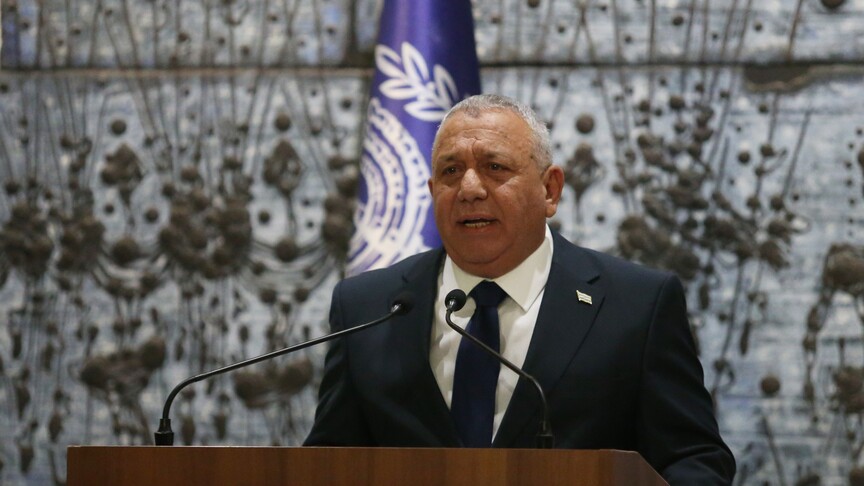
Israeli caretaker Prime Minister Benjamin Netanyahu urged political rival Gadi Eisenkot on Saturday to enter coalition negotiations “without preconditions”, arguing that only a national unity government can protect the country against external threats.
Within minutes of the prime minister’s video statement, Eisenkot dismissed the overture as a media stunt and political spin. The Yashar party leader said that negotiating teams from his faction and Netanyahu’s Likud were already scheduled to meet on Sunday, making the public call redundant.
“These tricks don’t work on me,” Eisenkot said in a statement on social media, accusing the caretaker prime minister of sowing division and trying to obstruct the formation of a new administration.
Eisenkot has an initial 28-day window to form a government, with a possible 14-day extension permitted under Israeli rules. Under his proposed framework for a minority administration, his bloc’s 48 lawmakers would vote in favor while the 26 members from Arab and ultra-Orthodox parties could abstain against the 46 Netanyahu supporters.
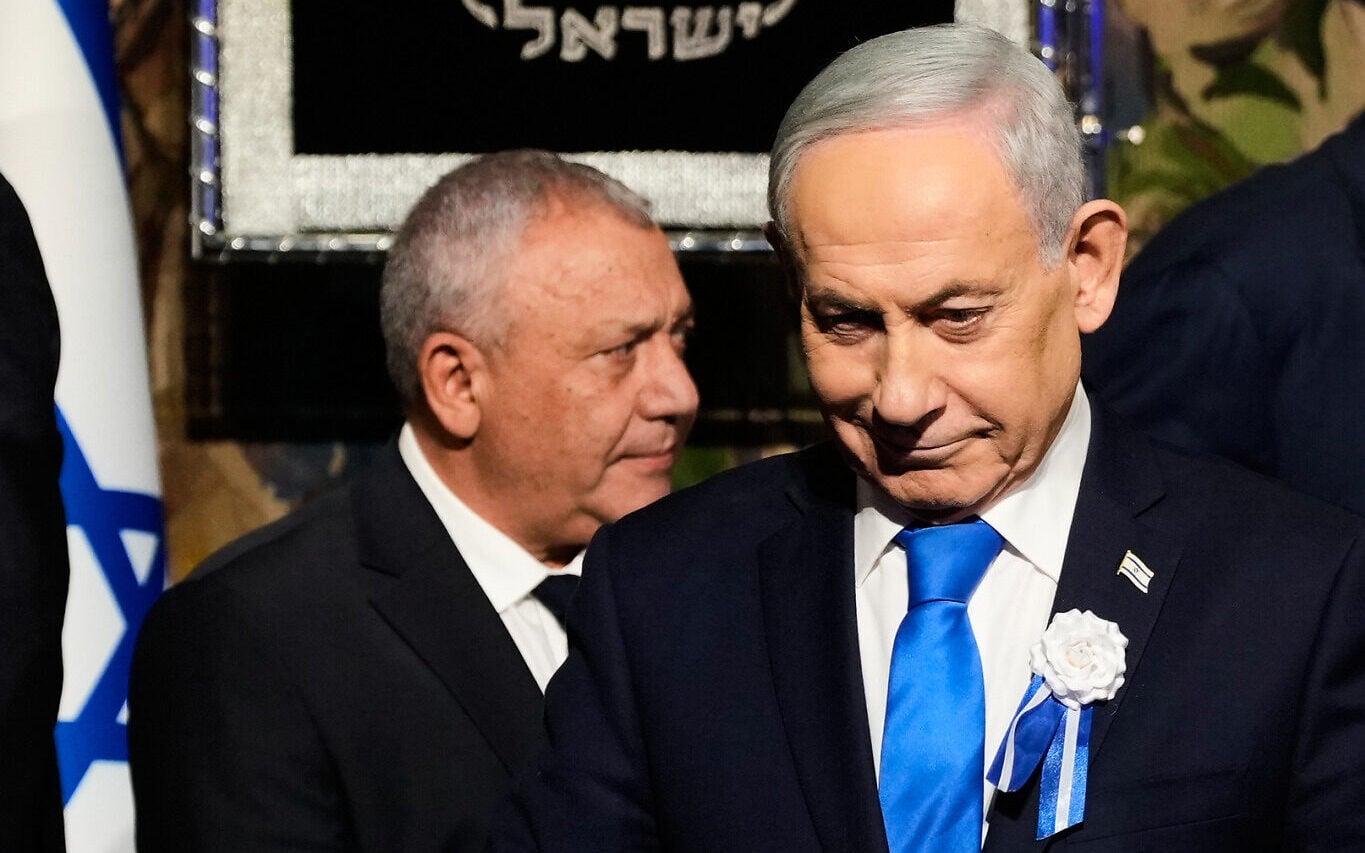
The Yashar leader has ruled out including Arab-led parties directly in his administration. He said that Likud could join a national emergency government under his leadership only if it accepted his stated principles and distanced itself from extremist political forces, notably supporters of far-right minister Itamar Ben Gvir. He also indicated willingness to work with Religious Zionism party provided their commitment to unity is sincere.
In his Saturday night address, Netanyahu warned that Tehran is actively working to revive its nuclear capabilities.
Netanyahu added that a narrow government reliant on Arab-led opposition lawmakers—whom he characterized as “supporters of terrorism”—would be incapable of confronting these challenges. He also criticized lawmakers who walked out during the singing of the national anthem, Hatikvah, during the swearing-in ceremony.
The standoff follows the October 27 election, which left neither political bloc with an outright majority in the 120-seat Knesset. President Isaac Herzog subsequently formally tasked Eisenkot with forming a government on November 8 after receiving 67 lawmaker recommendations against Netanyahu’s 46.
Eisenkot outlined strict terms for any emergency partnership, demanding that Likud accept his governance principles and break ties with extremist figures. He pointed to Tuesday's scheduled Knesset vote on speaker candidate Matan Kahana to determine if Likud and the Religious Zionism party are genuinely interested in a political partnership.
The opposition requested the vote to replace current speaker Amir Ohana in order to seize control of the parliamentary agenda and advance priorities such as term limits and an inquiry into the October 7, 2023 attacks.
Earlier coverage: Netanyahu Urges Unity Government, Calls Iran an Existential Danger


