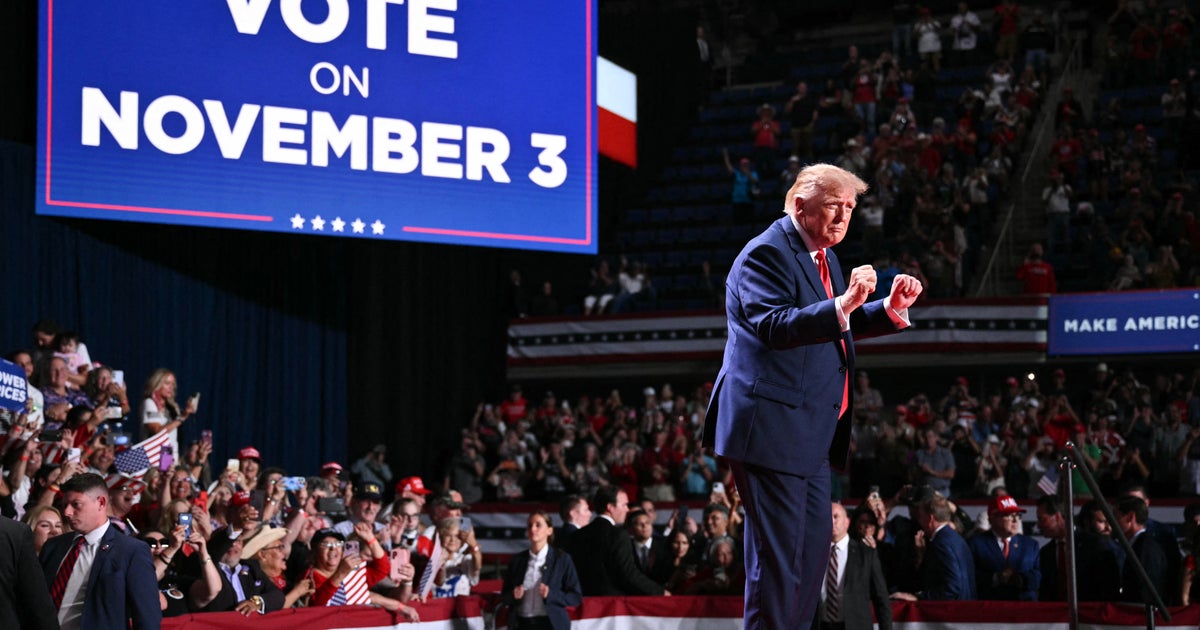
As the November 3 midterm elections approach, national security officials are discreetly advising state lawmakers on potential Trump administration interference, while voting experts and state leaders push back against demands for voter rolls and threats of federal intervention in local election administration.
National Security Officials Secretly Advise State Leaders
A small group of U.S. national security officials has been quietly advising state governments and congressional lawmakers on how to prepare for possible interference by the Trump administration in the midterm elections, according to people involved in the effort (The Washington Post). With voting just weeks away, these officials have been fielding anxious inquiries from local leaders who worry about administration pressure and potential attempts to disrupt the vote.
Concerns have also been mounting over whether the president will accept the results if Republicans face defeat. Numerous polls indicate a strong likelihood of Democrats making major gains in Congress, a historical trend where the party out of power typically picks up seats. That prospect has prompted heightened vigilance among career civil servants, state officials, and pro-democracy legal organizations.
State Election Officials Push Back Against Federal Demands
Tensions between state election systems and federal authorities have escalated sharply. Under Article I of the Constitution, elections in the United States are run locally by towns, counties, and states, leaving the president with no direct role in running them. Yet the Justice Department recently asked nearly every state for full voter rolls containing confidential information. The Justice Department has filed lawsuits against all 29 other states—spanning both parties—whose leaders turned down these federal requests.
Utah Lieutenant Deidre Henderson voiced sharp alarm over the internal pressures facing local leaders. In the past two elections that I oversaw as lieutenant governor, the threats were all external: non-state actors, cyber security threats and other things
, she said. But now we also have threats coming from within our own government.
Citing unsatisfactory explanations from Washington regarding the purpose of the collection and worries over how the information would be handled, Henderson ultimately withheld the files and shared her concerns with 60 Minutes.
The administration has alleged, without presenting supporting evidence, that 278,000 noncitizens are registered to vote, and a White House spokesperson stated that noncitizens continue to register and cast ballots in federal elections. Election administrators point out that while noncitizen voting does occur occasionally, it is extremely rare. Henderson audited Utah’s rolls and found just 52 questionable voters out of more than 2 million registrations. Meanwhile, federal prosecutors have warned California election authorities that they face legal action if they intentionally tabulate postal ballots cast by a group of 20,000 individuals whom the Trump administration has flagged.
California Bars Law Enforcement from Seizing Ballots
Legal watchdogs and advocacy groups have mobilized to block similar maneuvers. Eisen shared a list of 10 midterm election threats his lawyers have mobilized to stop. Meanwhile, states are enacting defensive measures; California recently passed a new law explicitly barring anyone, including law enforcement, from seizing ballots.
Emergency Powers and the Limits of Presidential Authority
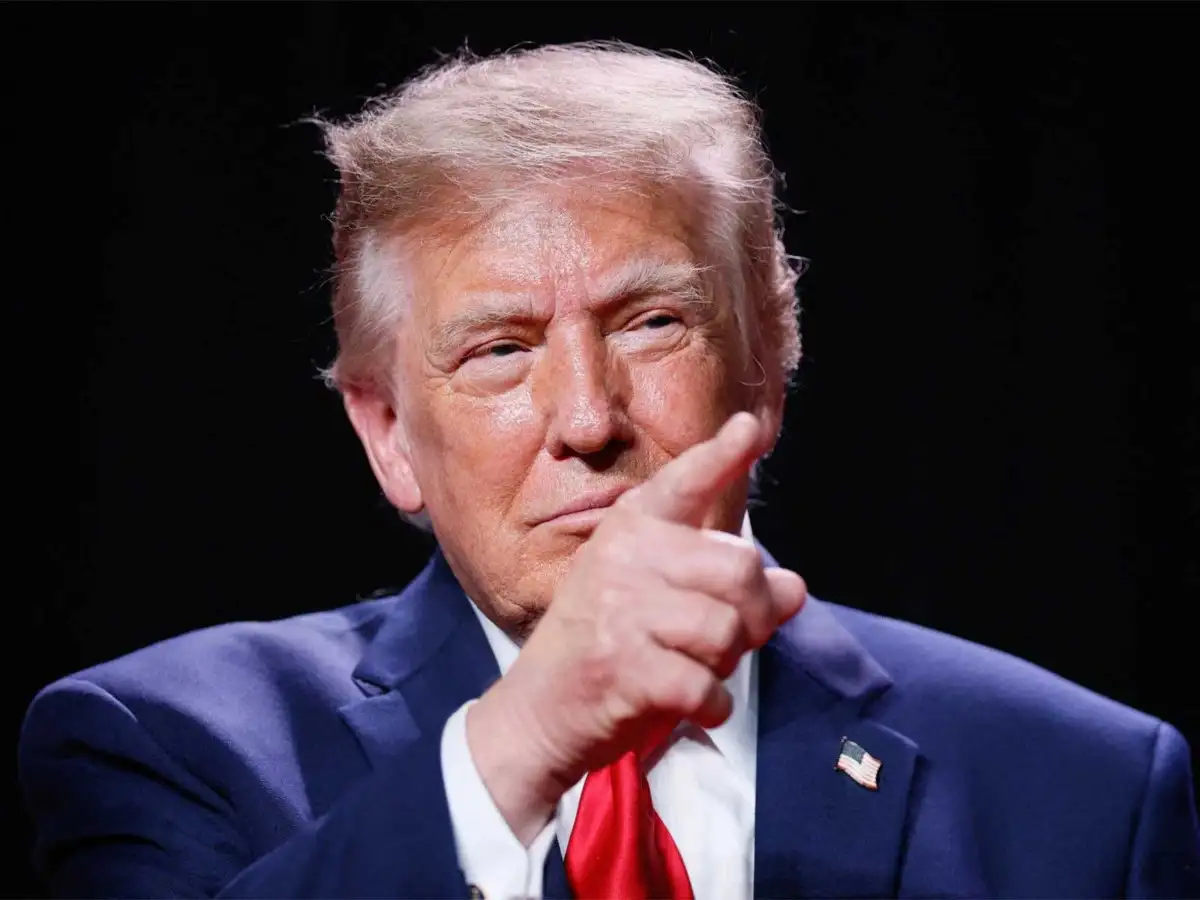
Speculation has circulated among commentators that the president might invoke emergency declarations, deploy troops or Immigration and Customs Enforcement agents to polling places, or attempt to seize voting machines. Legal experts emphasize that emergency statutes do not grant authority over domestic elections.
Legal scholars emphasize that any presidential attempt to take over voting administration would run straight into the Tenth Amendment and the Elections Clause, which reserve election administration for the states and Congress. Nearly all votes cast in the United States—98%—generate a paper record that can be used to verify electronic vote totals, according to the Brennan Center, reinforcing the decentralized security of the system as voters head toward November 3.