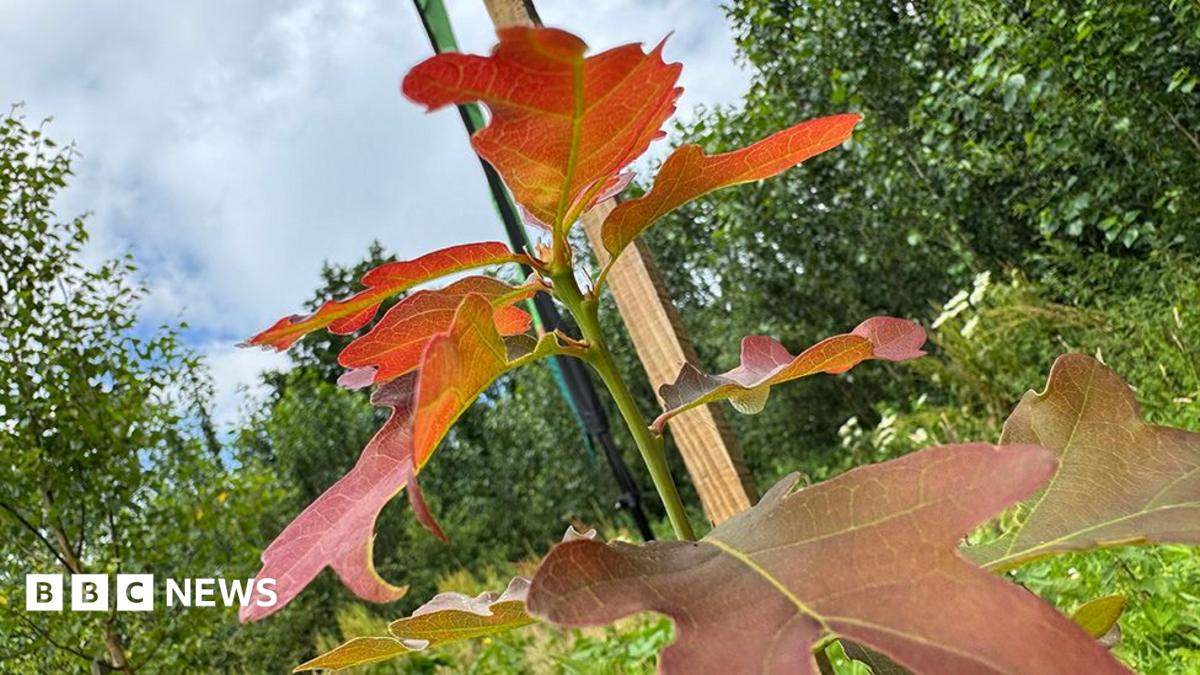
Volunteers across Lancashire have planted more than 109,000 trees over the past year, bringing the total number of trees established in the county to nearly half a million during the last two planting seasons. The initiative aims to boost regional biodiversity and expand native habitats.
Volunteers Plant 109,000 Trees Across Lancashire
More than 1,200 volunteers drawn from communities, landowners, and environmental organisations joined forces over the past year to plant more than 109,000 trees across Lancashire. That collective planting covers an expanse roughly equivalent to 154 football pitches.
The recent winter planting marked the second season of large-scale environmental restoration coordinated by the Lancashire Woodland Partnership. Across both planting periods, participants have put nearly 500,000 trees into the ground alongside more than 27,233 metres of new hedgerows.
Micro-Forests and Orchards Expand Across the Region
The latest season alone accounted for 271,418 trees planted throughout the county. This expansive total included the establishment of 61 new orchards and 17 new micro-forests utilizing Miyawaki planting techniques.
Those 17 micro-forests contain a combined total of 22,675 trees designed to accelerate canopy growth and foster urban and rural biodiversity. Local authorities, landowners, and regional charities pooled resources, technical expertise, and local knowledge to identify optimal planting locations.
Partnerships Work to Increase Low Lancashire Tree Cover
The collaborative effort unites organizations such as Lancashire County Council, Blackburn with Darwen Council, the Lancashire Wildlife Trust, the Ribble Rivers Trust, the Forestry Commission, and the Woodland Trust. Their work directly supports the Lancashire Local Nature Recovery Strategy and contributes to the wider Northern Forest initiative stretching from Liverpool to Hull.
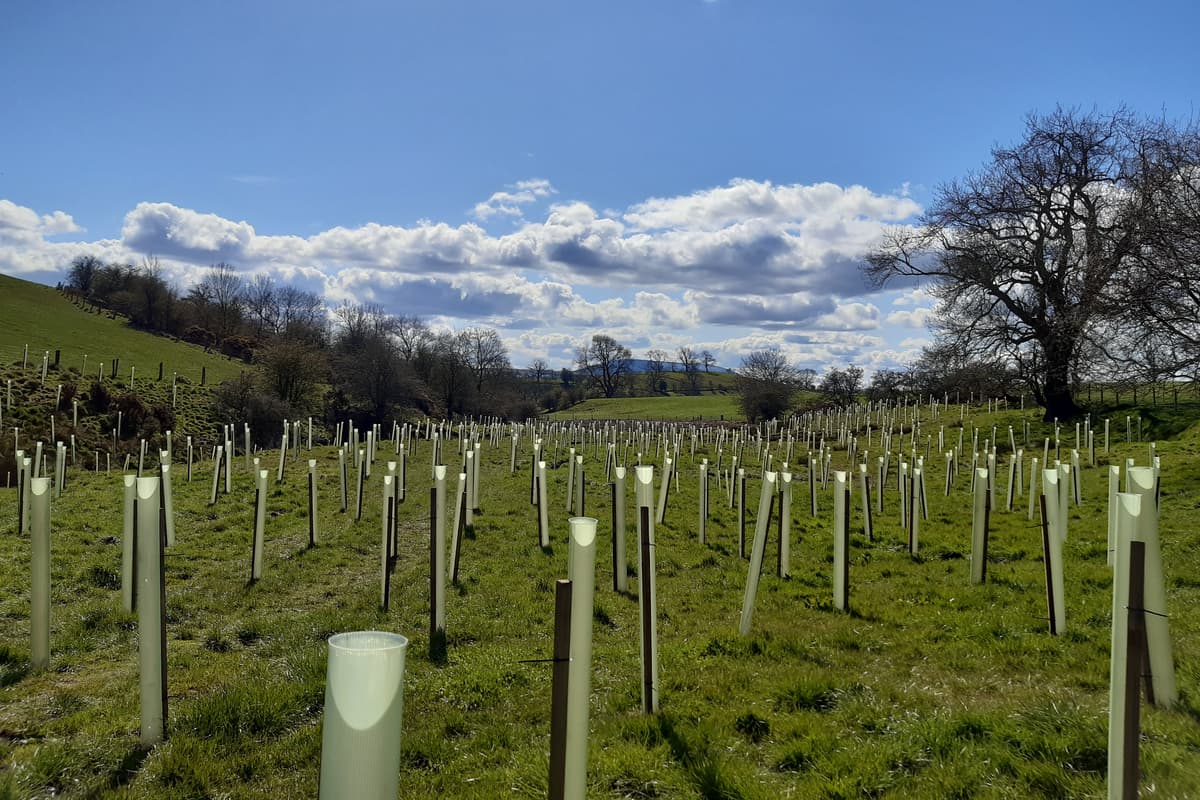
Despite recent gains, woodland covers just 10.34 per cent of Lancashire, leaving the county with one of the lowest levels of tree cover in the country. Partnership organizers are actively encouraging farmers, woodland managers, and local landowners to come forward and explore funding, expert guidance, and practical support for establishing further woodlands and restoring depleted natural habitats.