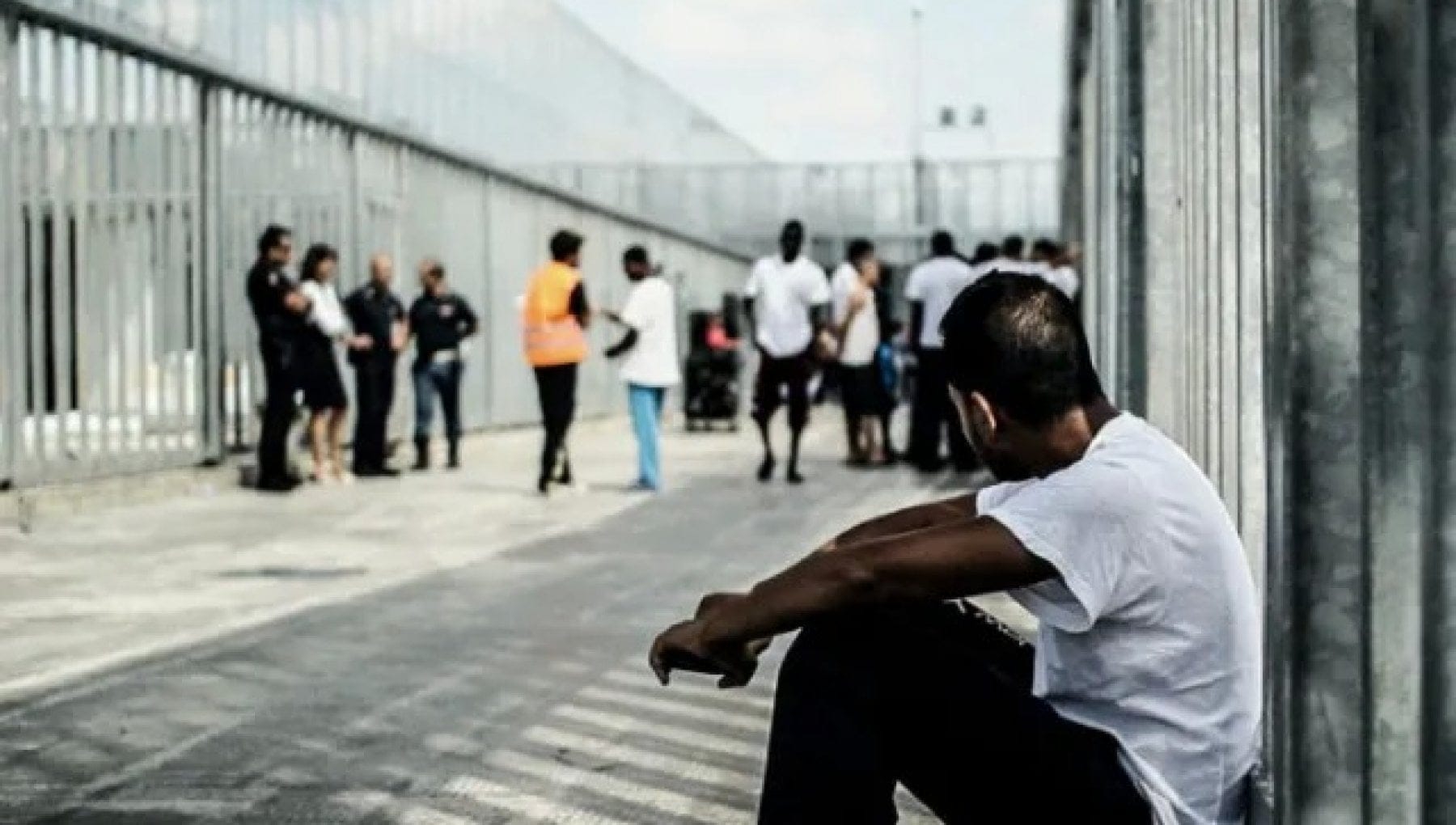
The aim was to raise awareness of the harmful health effects of CPRs,
infectious disease specialist Nicola Cocco maintained after finding himself at the center of an expanding Italian judicial inquiry. Medscape reported that Italy’s repatriation detention centers—known locally as Centri di Permanenza per il Rimpatrio (CPRs)—have drawn intense medical scrutiny following a wide-ranging prosecutor investigation that spilled into public view in February 2026 after launching in July 2025.
The probe erupted across nine Italian cities when authorities searched the homes and workplaces of 23 doctors. Prosecutors in Ravenna allege that these medical professionals falsified certificates to declare foreign nationals unfit for confinement within the detention network.
Supreme Court Overturns Doctor Suspensions
On October 9, Italy’s Supreme Court of Cassation overturned 10-month suspensions handed down to three doctors from Ravenna, sending their cases back for reconsideration. Meanwhile, Italy’s National Federation of the Orders of Physicians, Surgeons, and Dentists (FNOMCeO) has stepped forward to express public solidarity with the targeted practitioners.
During a wave of coordinated searches on September 16, Cocco—a member of the Italian Society of Migration Medicine (SIMM)—stood out as the only one among the 23 targeted doctors formally under investigation for allegedly conspiring to issue false certificates. The Italian Society of Migration Medicine, alongside the Asylum and Immigration Committee, notes concerns regarding transparency and monitoring limitations within CPRs.
Can a doctor ethically clear a patient for an environment known to degrade health?
What the Data Shows About Detention Environments
Independent oversight remains extraordinarily difficult to conduct inside Italy’s detention facilities. Between 2014 and 2024, more than 56,000 individuals passed through these centers, with 5,891 entries recorded in 2024 alone.
According to a monitoring report published in January 2026 by the Asylum and Immigration Committee (TAI), managing organizations frequently provided incomplete records or denied access entirely during visits to 10 centers between September and December 2025. Critical incident registers—meant to track self-harm and emergencies—were found to be handwritten, with the last entry in Rome being more than a month old, or entirely unusable for statistical analysis.
According to the World Health Organization, detention settings present numerous hazards to wellbeing, such as overcrowding, subpar sanitary conditions and hygiene, insufficient food and water supplies, restricted medical care, delayed treatments, a lack of educational or recreational activities, extended isolation, severe temperatures, discriminatory practices, sleep deprivation, curtailed communication with the exterior, inadequately prepared personnel, and vague justifications for holding individuals.
Medical Evaluations Overlook Psychiatric Conditions
Admission regulations require medical evaluations to screen out individuals whose psychiatric conditions or chronic illnesses make confinement dangerous. In practice, however, a 2021 report from Italy’s National Guarantor for the Rights of Persons Deprived of Personal Liberty said this requirement was frequently overlooked, with assessments limited largely to epidemiologic considerations. Inspectors observed that protocols designed to link the local branches of Italy’s Ministry of the Interior, prefectures, and regional health agencies in managing patient care largely remained a dead letter.
The practical impact of these screening gaps varies wildly by location. At the Gjadër center in Albania, which is linked to Italy’s detention system, every single person submitted for a pre-transfer medical review was ultimately deemed unfit by Italy’s border health authority and sent back.