Friday, October 30, 2026 Latest FBI Raids Minnesota Autism Service Providers in Medicaid Fraud Probe Our standards
Science

Turkish Customs Officials Seize 67 Ball Pythons Smuggled in Socks

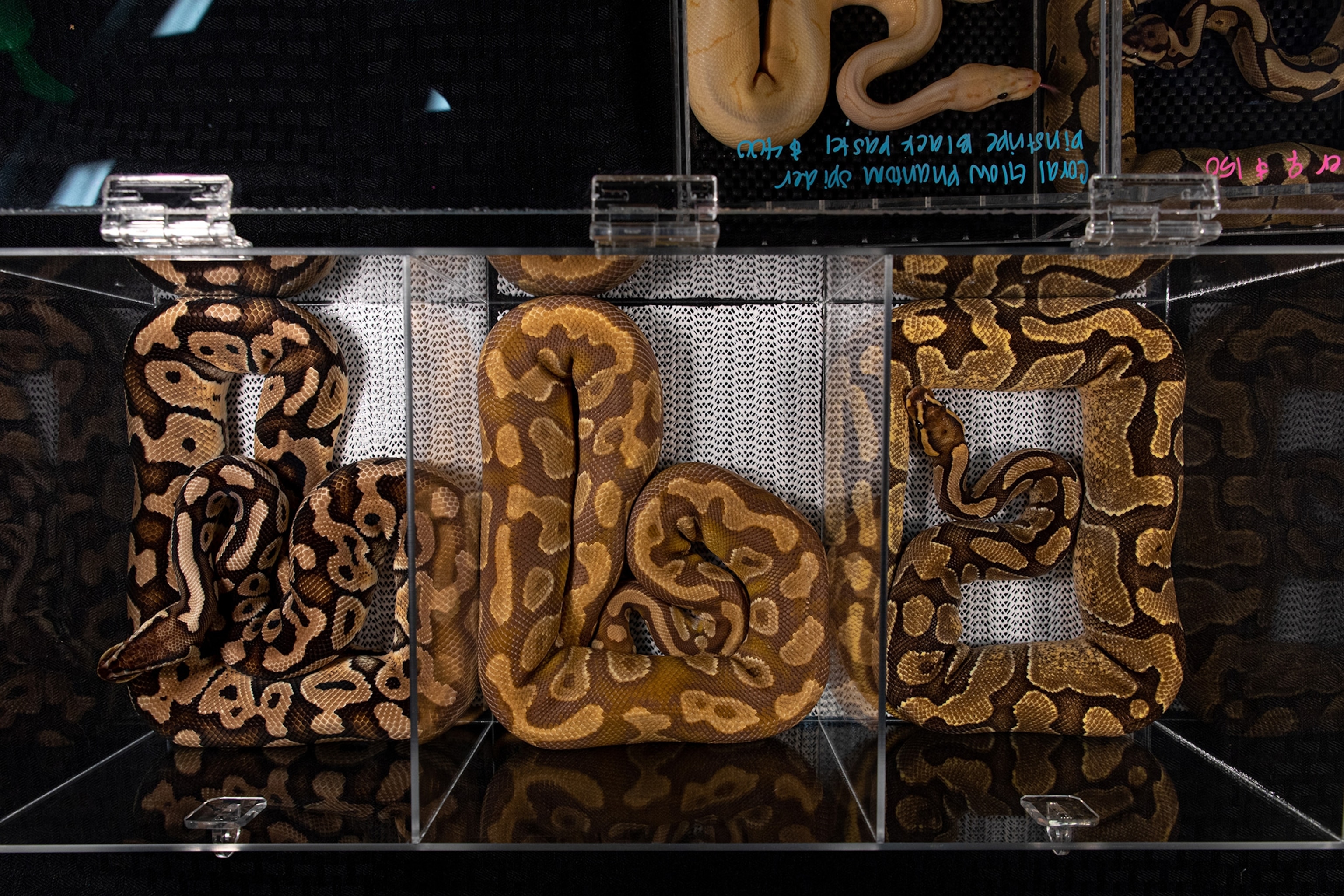
Turkish customs officials at the Kapikule border crossing in Edirne seized 67 live ball pythons hidden inside socks.

Turkish customs officials at the Kapikule border crossing in Edirne seized 67 live ball pythons hidden inside socks. The reptiles command high prices on local reptile trading platforms due to their unique genetic color mutations, docile temperament, and compact size.

Customs officers at the Kapikule border crossing in northwestern Turkey’s Edirne province recently uncovered a shipment of 67 live pythons concealed within socks. According to coverage from the Turkish Anadolu Agency, officers handled the seized animals with casual ease, extracting them one by one from the hosiery as though the creatures were ordinary items. The televised scene surprised viewers, but it highlighted the defining traits of a reptile favorite known as the royal python or ball python.

Why Ball Pythons Drive Illegal Trade at the Turkish Border

Egyptian wildlife activist Mohamed Wagih explained to Turkish Reptile Platforms Sell Royal Pythons for Thousands

Because of these combined traits, individual royal pythons sell on reptile trading platforms in Turkey for prices ranging between 13 and 19 thousand liras.

ضبط 67 أفعى حية خلال محاولة تهريبها إلى تركيا

While reticulated and Burmese pythons primarily dominate the skin trade, royal pythons are heavily traded as live pets.

Wild Populations and Ecological Pressures in West and Central Africa

Native to West and Central Africa, the royal python’s natural range spans from Senegal and Sierra Leone to parts of Sudan and Uganda. The International Union for Conservation of Nature’s Red List classifies the species as least concern due to its broad distribution and reproductive capacity, though local populations face distinct collection pressures.

Data presented at the 28th meeting of the CITES Animals Committee in 2015 indicated that international trade involves hundreds of thousands of individuals annually. Trade records sort these exports into three categories: captive-bred, farm-bred relying on wild-collected specimens, and individuals taken directly from the wild. Approximately 93.5% of individuals fall under farm-based breeding designations—which often involve gathering eggs or hatchlings from the wild—while 6% come directly from the wild and 0.5% are captive-born.

Researchers caution that unmanaged harvesting, particularly collection methods that damage nests or target sensitive life stages like hatchlings and pregnant females, can deplete local populations. Studies in Benin and Togo revealed that local hunters harvest thousands of snakes annually, creating pathways where wild-caught specimens mix with commercial farming systems, making sustainable oversight difficult to verify.

Accuracy matters. See something that needs attention? Read our corrections policy or contact the newsroom.

Science Editor

Iris Okafor

Iris Okafor leads TellingPointy's Science desk, following research, space, climate, energy, and discovery with evidence at the center. Her desk examines study design, sample size, replication, and the boundary between preprints and peer-reviewed findings.