Nearly 19 million school-age children in Nigeria remain out of the classroom, driven by entrenched poverty, child marriage, and armed violence.
That total represents roughly one in four children across the nation, according to Unesco. The crisis touches secular and traditional learning systems. Unicef said children in the traditional Almajiri system miss core subjects like mathematics and science entirely.
In north-west and central Nigeria, armed robbery and kidnappings have forced 670,000 people from their homes, according to data from the International Organization for Migration. Militant Islamist groups launch some attacks. Criminal gangs known locally as bandits drive most of the violence here.
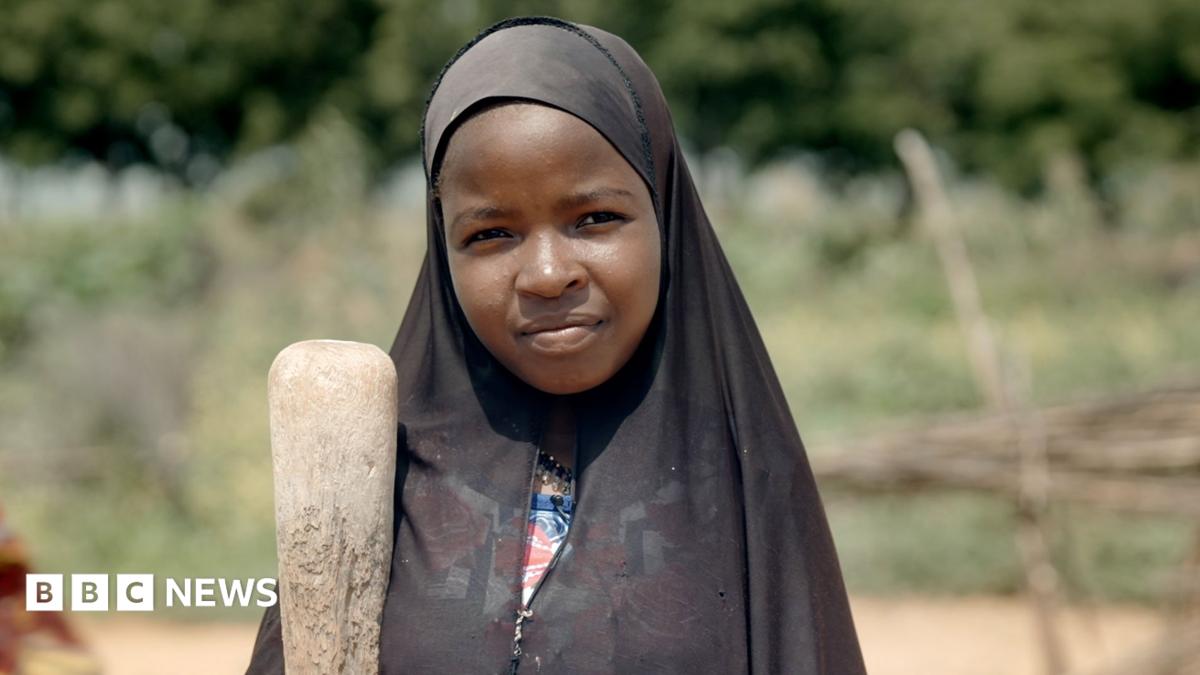
Fifteen-year-old Hadiza lives in a displaced persons camp in Goronyo after armed raiders attacked her village two years ago. She stopped attending the camp school at age 13 to marry, following local tradition.
It’s tradition here that once a girl is married, her education ends.
Hadiza, displaced camp resident, via BBC News
Twelve-year-old Rukayya shares the camp with Hadiza after bandits killed her father about a year ago. “If my father was alive, I wouldn't have to go out and beg,” twelve-year-old Rukayya explained said she spends her days gathering firewood to sell and begging so her younger siblings can eat.

It pains me to see other children studying and going to school while I cannot.
Rukayya, displaced camp resident, via BBC News
Teacher Kamilu Sulaiman Jakada said the single school serving the camp typically holds about 50 students per class. Lessons cost nothing. Attendance remains sporadic because parents told him “it is the children that are the breadwinners” and must earn money for food.
Targeted interventions continue in other regions. In northeastern Yobe State, a UNICEF-backed education initiative transitioned 877 out-of-school children into formal schools, according to DNE Africa.
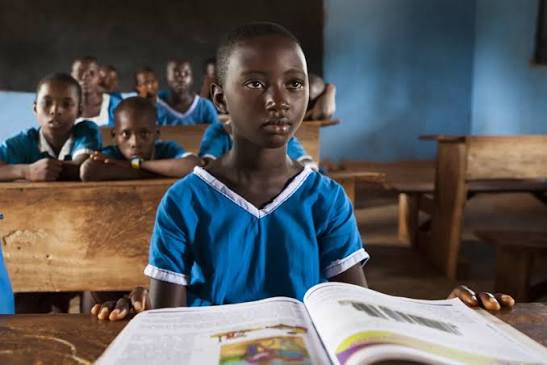
The Global Village Healthcare Initiative for Africa (GHIV Africa) ran the intervention within the Jakusko Local Government Area. The Education Cannot Wait Multi-Year Resilience Programme funded it. GHIV Africa Executive Director Mulikat Bamidele said the program initially enrolled 1,131 children. Exactly 1,080 children participated in final examinations.
| Learning Pathway | Total Enrolled | Transitioned to Formal Schools | Vocational Training | Continued Islamic Studies |
|---|---|---|---|---|
| Accelerated Basic Education Programme | 911 | 815 | 96 | — |
| Tsangaya Learning Centres | 169 | 62 | 54 | 53 |
Nigeria mandates nine years of free, compulsory education—six in primary and three in secondary school. Responsibilities are divided across federal, state, and local governments. Chronic underfunding, poor resource oversight, and security fears remain hurdles. Jakada said armed gangs on motorbikes once shot into the air near the Goronyo camp school, frightening parents into withdrawing their children.
the proper investment, the proper oversight, has not been done… I will not mention the names, but we know of two states that did not recruit a single teacher for eight years
via BBC News
The government said it is doing everything possible. Officials pointed to the Lumina initiative, which aims to support one million girls by 2030 by providing an accelerated learning programme for older girls who missed years of formal education.
The BBC World Service launched Dars Hausa to reach children cut off from traditional classrooms. It is an educational radio and digital program delivering English, mathematics, and science lessons across West Africa in the Hausa language.