Global equities and U.S. stock index futures tumbled on Thursday, driven by a convergence of surging oil prices, deepening losses in Chinese markets, and renewed skepticism over the profitability and capital spending tied to artificial intelligence investments.
Updated October 22, 2026
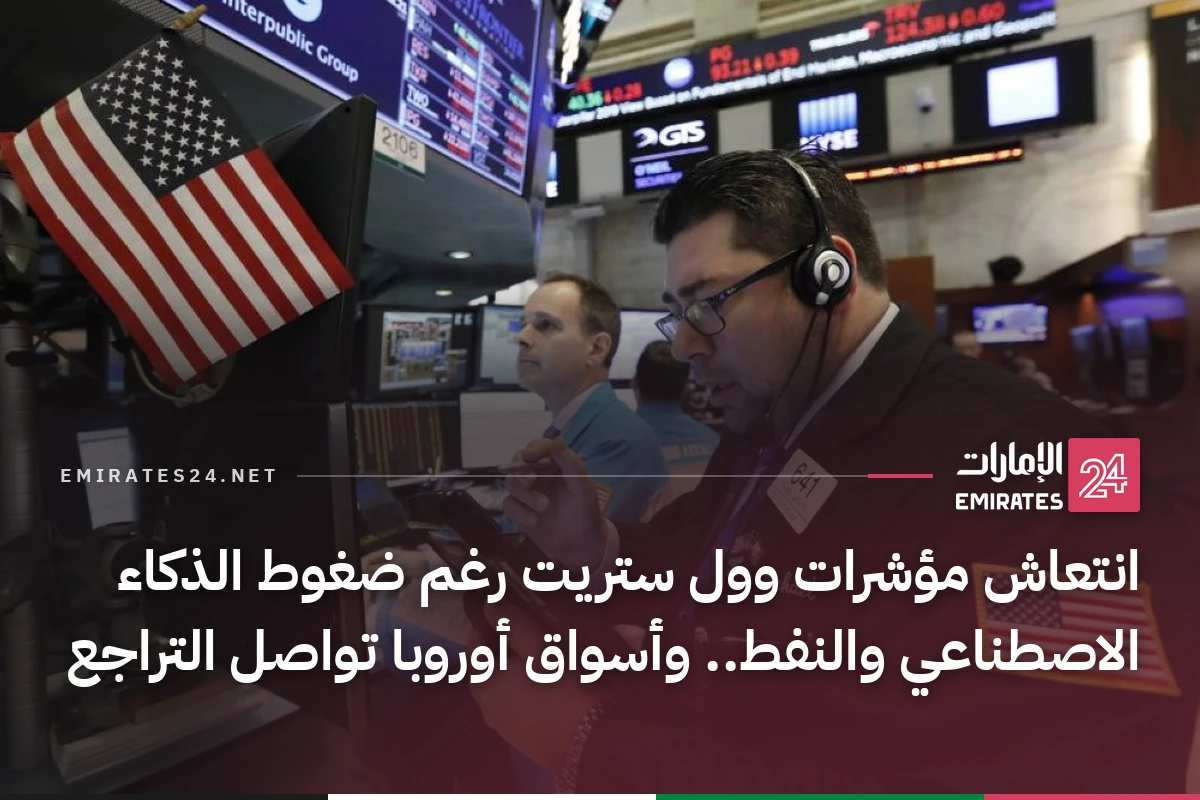
According to data published by Investing.com, Nasdaq futures dropped 1.64% to 29,513.5 points during the Asian trading hours ahead of the New York open. Trading floors opened under heavy pressure as investors grappled with high-profile corporate earnings that failed to reassure Wall Street. Nasdaq-100 futures fell sharply, leading declines across major U.S. benchmarks as technology stocks absorbed the brunt of the market unease.
The Invesco QQQ Trust, which tracks major Nasdaq components, faced immediate pressure before the opening bell, while the Philadelphia Semiconductor Index closed out recent sessions well below its yearly highs following weeks of volatile trading. The tech-heavy sell-off extended to exchange-traded funds with heavy exposure to the sector.
Lam Research Shares Drop on Weak Forecasts
“Lam Research”, a specialist in semiconductor manufacturing equipment, saw its shares drop 7.4% in extended trading after issuing earnings forecasts that missed estimates. Strong financial reports from several corporate giants failed to lift overall market sentiment, pointing to a growing division between solid headline revenue and investor anxiety regarding future outlays. While Meta Platforms delivered strong revenue forecasts and IBM surpassed sales estimates, broader indices still drifted lower.
The electric vehicle maker lowered its projected 2026 spending, while reporting actual quarterly capital spending—falling short of analyst expectations. The mood darkened further after Tesla released third-quarter earnings showing a sharp downward revision in its capital expenditure plans.

It's hard to please the market right now when it comes to capital spending. It gets nervous when companies ramp up their spending, and it also gets nervous when they scale it back, as we've just seen with Tesla. In this environment, striking the right balance is nigh on impossible. Tim
Market analysts note that the fundamental debate on Wall Street has shifted from initial enthusiasm over AI infrastructure to stringent financial scrutiny.
Energy Markets React to Middle East Conflict
West Texas Intermediate crude climbed 2.21% in Asian trading to reach 99.30 dollars per barrel, pressing toward the psychological $100 threshold, while international benchmark Brent crude surged 2% to trade above $111 per barrel following deadly attacks in Saudi Arabia that sparked concerns over supply disruptions. Compounding the technology sector’s woes, energy markets reacted violently to escalating conflicts in the Middle East.
The U.S. State Department ordered some diplomatic personnel to depart Saudi Arabia amid mounting threats from regional armed groups. This energy price spike introduced fresh inflationary pressures into the global macroeconomy, prompting investors to seek safety in traditional haven assets while gold fell 1.2% to trade below $4,100 per ounce and Bitcoin declined over 2% to around $82,800.
Asian Equities Absorb Heavy Losses
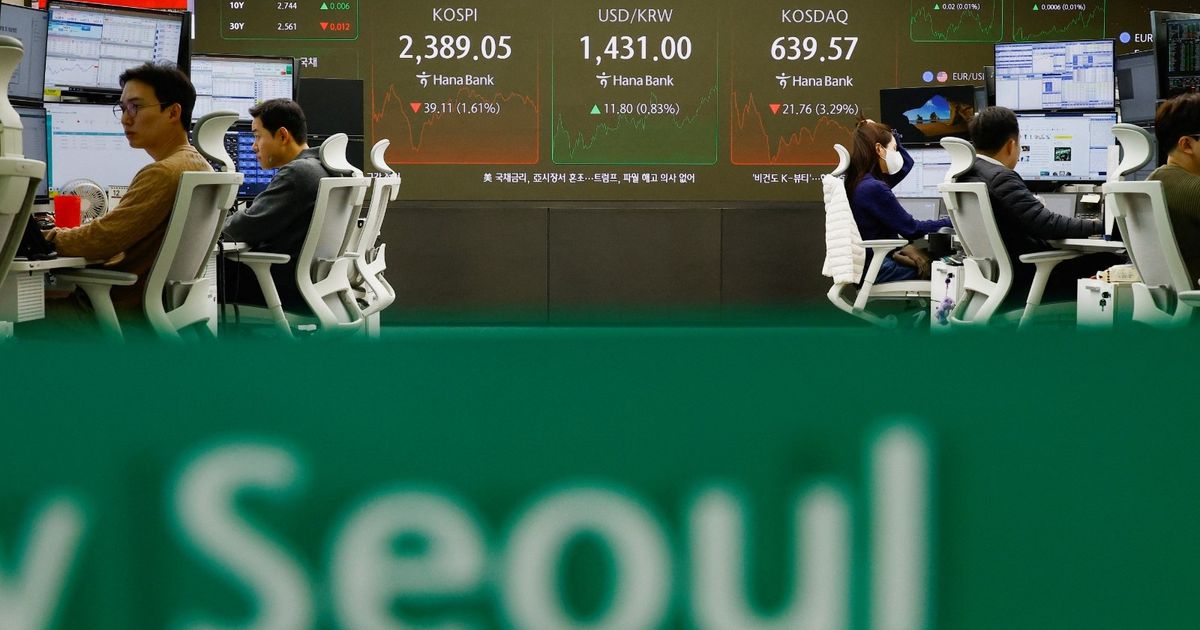
South Korea’s Kospi index, which serves as a gauge for AI trading performance, tumbled 3.3% and was on track for its lowest closing level since April, as China’s CSI 300 index fell to edge closer to a bear market, pulling down regional equities. Asian equities absorbed heavy losses as the risk-off sentiment rippled globally.
The 30-year bond yield dropped three basis points to 5.38%, the lowest level since September 23, as renewed doubts about the sustainability of the AI trading wave sent investors toward safe-haven assets. U.S. Treasury yields drifted lower across multiple maturities on Thursday, driving long-term yields to a one-month low amid safe-haven dynamics that reshaped currency and bond markets.
European stock index futures pointed to an opening drop of roughly 0.8%, reflecting ongoing pressures across global markets.
Meanwhile, the CBOE Volatility Index (VIX) closed Wednesday down 3.64% at 16.68 points, remaining below the 20-point threshold.
During the week ending October 16, the Philadelphia Semiconductor Index dropped 4.48% and the S&P 500 fell 1.95%, alongside a pullback in CoreWeave shares.
The Philadelphia Semiconductor Index closed Wednesday at 11,505.6 points, marking a 1.96% gain for the session.
Update (October 22, 2026)
According to CNBC, additional chipmakers faced pressure during the Thursday session, with Advanced Micro Devices falling more than 4%, while Micron Technology and Nvidia dropped 3% and 2%, respectively. Neocloud leader CoreWeave declined nearly 4% as its bond yields and credit default swaps remained elevated. This occurred even as Nvidia CEO Jensen Huang told CNBC that demand for neoclouds is off the charts, though he added that capital scarcity is impeding growth.
Wells Fargo traders noted in a client note that Huang's commentary about capital scarcity is spooking markets and reigniting risk-appetite concerns on the credit side. Meanwhile, JPMorgan traders pointed to increased chatter over renewed Iran kinetic-risk following U.S. midterm elections.