Nvidia stock fell 14 percent on Friday to $125.53 as investors dumped shares on fears that explosive growth has decoupled from profitability.
The artificial intelligence stock trade suffered a brutal reversal this week as investors dumped shares on fears that explosive growth has decoupled from profitability.
Nasdaq Plunges Into Correction
The tech-heavy Nasdaq index plummeted 5.28 percent on Friday, wiping out all gains recorded since the start of the year. This steep decline marked the index’s worst performance since the onset of COVID-19 pandemic lockdowns in March 2020. By Friday’s close, both the S&P 500 and the Dow Jones Industrial Average had officially entered a correction, defined as a drop of 10 percent from recent highs.
The market mood shifted from euphoria to intense scrutiny. “Markets were euphoric” about AI, but “there’s a huge repricing going on right now,” Steve Sostick, a financial analyst with Interactive Brokers, told AFP. The group known as the “Magnificent Seven”—Nvidia, Microsoft, Google, Apple, Amazon, Meta, and Tesla—has watched its collective market capitalization shrink by over $4 trillion in the last month-and-a-half.
Nvidia Reports Record Revenue but Stock Plunges
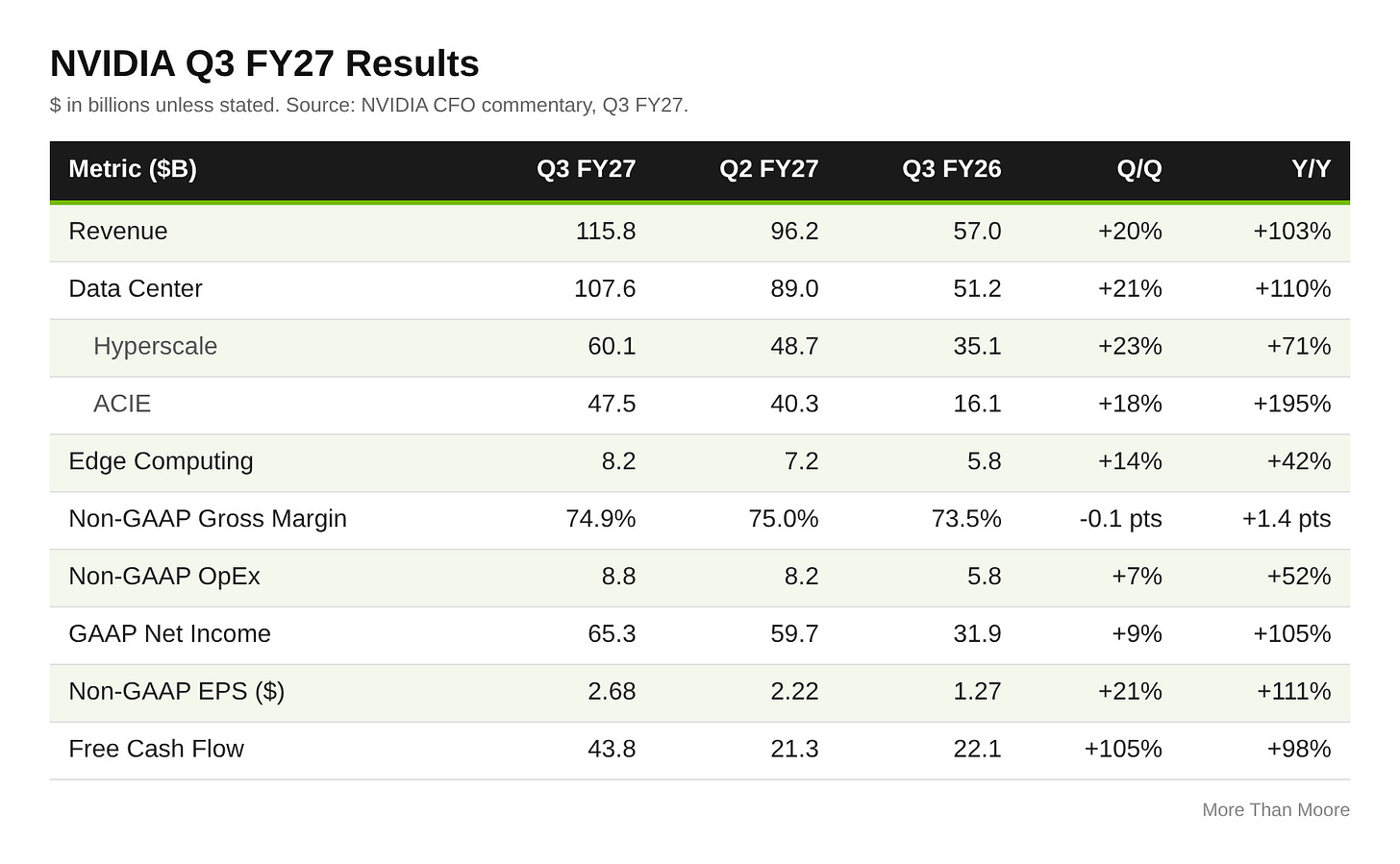
Despite the turmoil, Nvidia reported a record quarter on November 17 with $115.8 billion in revenue. The market reacted negatively; the stock fell 14 percent on Friday to $125.53, roughly 48 percent below its October 6 record. AInvest data indicates the company is trading at about 13 times trailing earnings, a multiple that suggests investors are skeptical of future growth.
Key financial metrics revealed a shift in how the company collects payments:
| Metric | Recent Value |
|---|---|
| Quarterly Revenue Increase | $19.6 billion |
| Accounts Receivable Increase | $18.0 billion |
| Total Accounts Receivable | $81.0 billion |
Capital-Intensive Models Face Profit Pressure
Beyond Nvidia, the industry is grappling with the high cost of maintaining frontier AI models. Companies like Anthropic and OpenAI have faced pressure as their capital needs ballooned without a commensurate rise in profits.
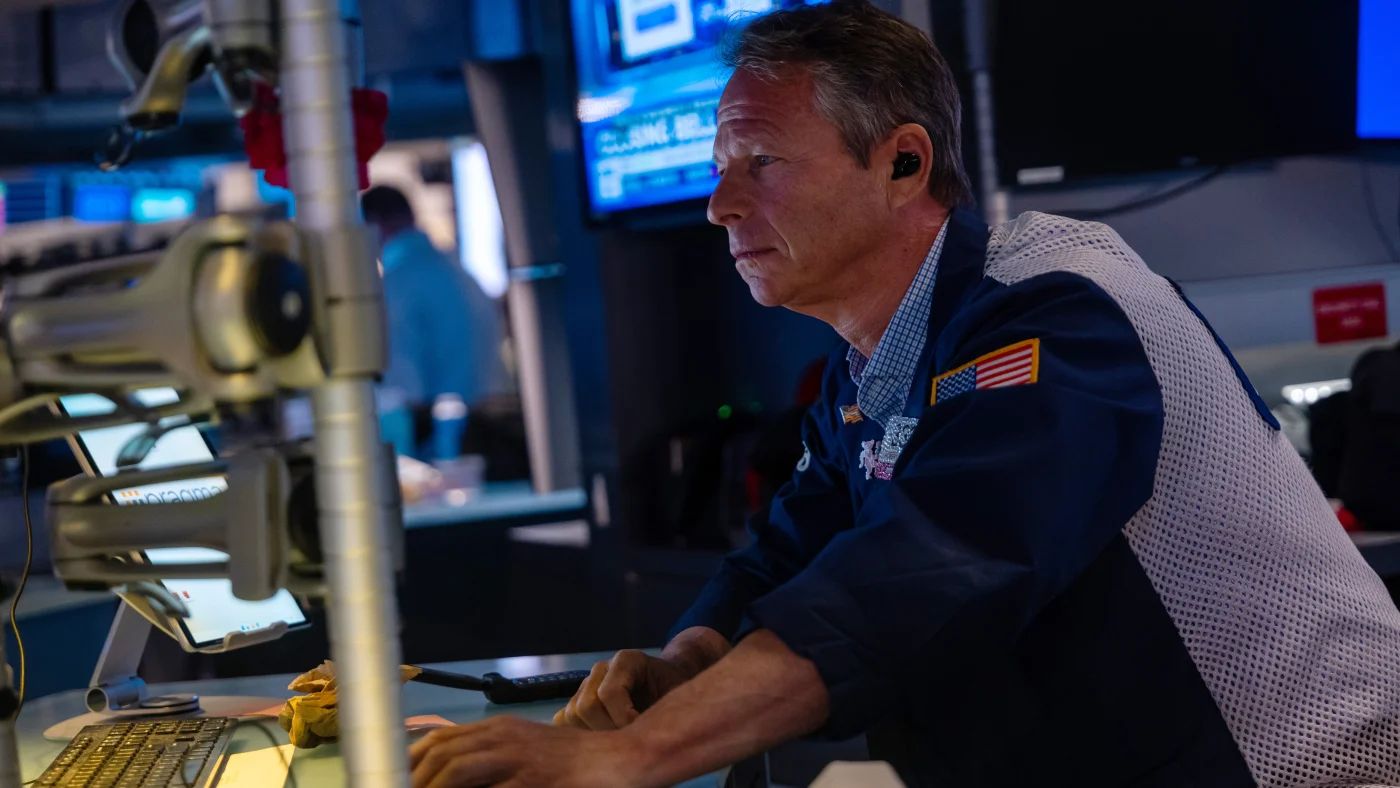
“As the capital needs grew, we started to see investors question how profitable all these investments might be, whether all this money was being spent wisely…the market hadn’t been really asking these questions before,” Sostick said.
The economic viability of these models is further challenged by the availability of low-cost alternatives. According to Alphabet’s Gemini AI system, high-quality open-weight models from Chinese providers are available for a fraction of the cost of flagship U.S. frontier models. “It seems absurd to ask people to invest money and not have a real sense of what’s going to be the return on that investment,” Sostick added.
Chinese Models Undercut U.S. Pricing
Frontier AI models from leading U.S. providers cost between $2.00 and $8.00 per million input tokens and $10.00 to $40.00 per million output tokens, according to Alphabet’s Gemini AI system. Tencent’s latest Hunyuan Hy4 lineup and other top Chinese models are priced from $0.07 to $2.00 per million input tokens and $0.28 to $6.00 per million output tokens.
With high-quality AI available for roughly 1.0 percent of the price of U.S. frontier models, demand for the most expensive tier is likely to be very limited.

Nvidia Guidance Reflects Timing Effects
Management guided the January quarter to $130 billion, AInvest reported. Because the January quarter spans 14 weeks versus the October quarter’s 13, normalizing the $130 billion midpoint to a 13-week basis yields about $120.7 billion, implying roughly 4 percent sequential growth instead of the headline 12 percent.
The November 17 report was the first since Jensen Huang resigned. Non-GAAP gross margin of 74.9 percent in the quarter is guided lower, and at $125.53 the stock trades at about 13 times trailing earnings, a multiple AInvest says is cheap.
Analysts Warn of Extended Healing
Sostick said AI could fall out of favor through next year and that it is just going to take a little bit of time to heal.
Adam Sarhan, head of MarketTerminal.com, told AFP that the bubble has already deflated and the question now is how far down it will go. Stephen Innes, a manager at SPI Asset Management, told AFP the AI investment boom has gone from a promising technology story to a capital markets extravaganza, with billions of dollars spent to develop the technology.

Upcoming Disclosures Will Test Financing Health
Wall Street is now looking toward upcoming filings to gauge the health of AI financing. Investors are particularly focused on whether accounts receivable and guarantee terms are stabilizing. The selloff is not currently viewed as a verdict on AI demand itself, but rather a repricing of the governance and debt required to sustain that demand.
Hank Smith suggested the market will not recover as quickly as it has during previous dips. “I think it has taken the market the better part of the last two or three weeks to realize it is not going to be like the previous sell-offs,” Smith said, predicting the sector could remain out of favor through next year.
Earlier coverage: Investors Pull Money From AI Stocks, Nasdaq Slides 3%