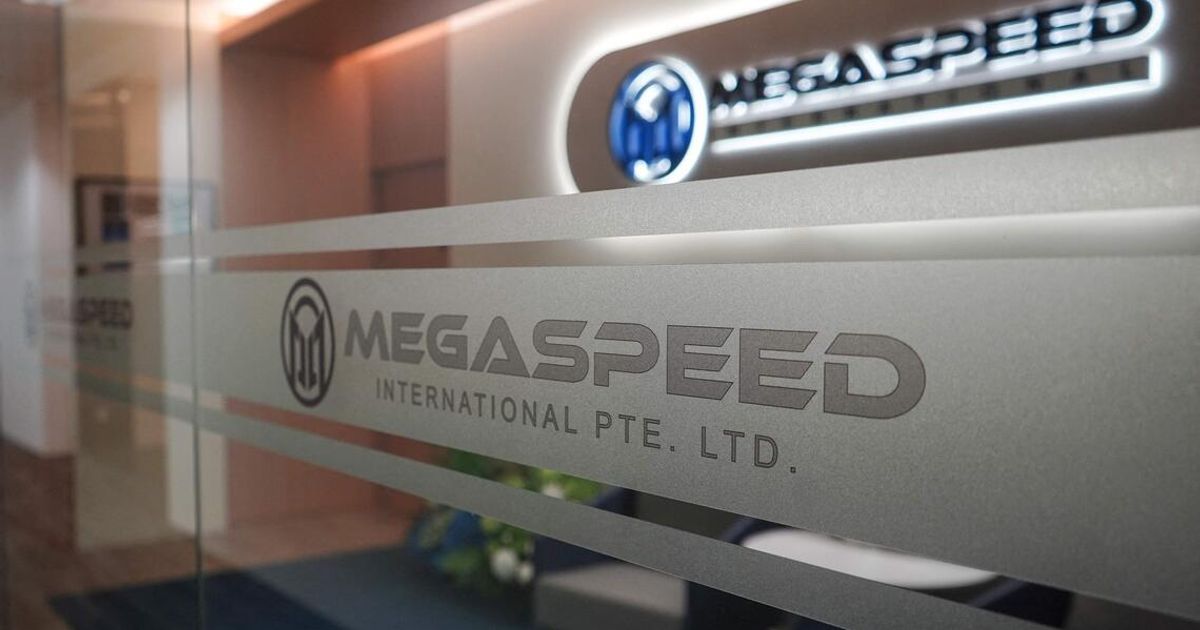
The United States government added Singapore-based Megaspeed International to its trade blacklist on Monday, Nov. 23, 2026, citing the company’s alleged role in diverting advanced artificial intelligence chips to China.
The designation, which restricts the firm from acquiring American technology without a federal license, follows weeks of scrutiny regarding the company’s links to an espionage scandal involving Nvidia’s chief executive, Jensen Huang. In addition to Megaspeed International, the Bureau of Industry and Security added six other entities based in Singapore, Malaysia, and Thailand to the Entity List, determining they were “acting contrary to the national security or foreign policy interests of the United States,” according to a filing in the Federal Register.
Among the additional entities blacklisted were Speedmatrix, MSFusion, PT Megaspeed International, Apex Enterprise Solutions, Swiftdata, and a Thai-based branch of Megaspeed. The Commerce Department had been investigating the company for nearly two years prior to the blacklisting, performing site checks, conducting interviews, and requesting sales records from Nvidia.
Joint Statement from Department of Commerce and Department of Justice on Megaspeed Investigation. pic.twitter.com/aAdtN9aDfF
Investigation Into Chip Diversion
Authorities have been investigating Megaspeed since 2024 over allegations that the firm funneled high-end Nvidia graphics processing units to Chinese customers. These chips are vital for training AI models. While Megaspeed has denied wrongdoing, asserting it “conducts legitimate and lawful business,” the U.S. Commerce Department moved to block the company’s access to U.S. exports, a measure that effectively prohibits the sale of sensitive components.
The firm had already been placed on an internal Nvidia “no sell” list in June 2025, according to a joint statement from the Justice and Commerce departments. Despite this internal restriction, Nvidia continued to list Megaspeed as an official cloud partner in its directory.

The crackdown gained momentum following reports that former Megaspeed executive Alice Huang, who had a romantic relationship with Jensen Huang, was suspected by U.S. intelligence of acting as an asset for Beijing.
China has dismissed these allegations as “groundless” and warned that the U.S. is using the scandal as a “pretext for imposing a technological blockade” on AI development. Alice Huang officially departed from her role at the firm in August 2025.
Reinstatement of Jensen Huang
The blacklisting was announced on the same day Nvidia’s board reinstated Jensen Huang as CEO, less than two weeks after he resigned amid the scandal. Huang had previously resigned following allegations of a separate affair with a Nvidia employee.
President Donald Trump told CNBC that he personally spoke with the board and “convinced them” to rehire Huang, providing assurances regarding national security. The decision sparked a sharp rally in Nvidia's stock price.
Pressure had been mounting on the Commerce Department from administration officials and lawmakers to act. Treasury Secretary Scott Bessent had publicly criticized the agency’s pace. He said other federal departments “were in favor of putting Megaspeed on the Entity List for months, but Commerce has the pen.” Senator Pete Ricketts, a Nebraska Republican, questioned the delay on social media.
He said the Department of Commerce still needs to explain why this took so long. The Justice Department is currently leading the broader probe, with agencies promising to use their track record of prosecuting semiconductor smugglers to hold the firm accountable.
Megaspeed International, the Singapore company at the center of the scandal that has engulfed Nvidia's CEO, has registered affiliates in the United States, Australia and other countries with a 29-year-old who listed his address as a newsagent and lottery retailer in a regional…
Impact on Southeast Asian Data Centers
The move arrives as the Southeast Asian data center industry faces increasing pressure from U.S. export controls. Ong Kian Ming, Malaysia’s former Vice Minister for trade, cautioned that replacing lost demand from Chinese clients with local or regional customers would be difficult in the short term.
The U.S. government has expanded its regulatory reach, now requiring government approval to export advanced chips to four Southeast Asian nations, including Indonesia.
Concerns remain regarding the broader ecosystem of “neoclouds”—providers that rent computing power to Chinese entities. Estimates from the research firm SemiAnalysis suggest that Chinese companies utilize approximately 300 megawatts of AI computing capacity through such services. These services operate across four Asian countries. The Department of Commerce issued a rule designed to prevent Chinese firms from remotely accessing chips housed in data centers located in foreign countries.
Government Agencies Coordinate Strategic Crackdown
The decision to blacklist Megaspeed followed intense interagency pressure, with sources from the Department of Treasury, the Department of War, and the Office of the U.S. Trade Representative reportedly favoring the move for months. Officials indicated that while multiple agencies pushed for the designation, the Commerce Department maintained primary authority over the final listing process.
The Justice Department is now spearheading an ongoing probe into the firm, citing a history of successfully prosecuting semiconductor smugglers. This action is part of a federal strategy to protect U.S. artificial intelligence dominance, with government investigators expected to subject Nvidia and its leadership to further scrutiny in the coming weeks.
Data Center Industry Faces Economic Uncertainty
The blacklisting has intensified uncertainty within the regional data center market, where Malaysia is a major site for investment. Adib Zalkapli, founder of the advisory firm Vriens & Partners Global Affairs, warned that the industry faces a potential crisis where unfinished data center projects could be abandoned if new customers are not found to replace Chinese clients.
Market data from Bloomberg shows that credit extended to the Asia-Pacific data center sector exceeds $49 billion, with Southeast Asia holding a large share of that exposure. As the U.S. tightens its regulatory grip, experts are questioning the long-term viability of these facilities if they can no longer serve the Chinese market that previously underpinned much of their growth.
Singapore serves as a vital maritime emporium and major shipping hub, a role that has evolved into its current status as a critical node in the global semiconductor supply chain. This strategic position allows entities like Megaspeed International and other regional firms to act as intermediaries in the movement of high-end graphics processing units.
Because Singapore functions as a central transit point for international trade, the U.S. government has increasingly focused its export controls on the island to prevent these sensitive components from being diverted to restricted Chinese markets. By blacklisting multiple Singapore-based entities, authorities aim to disrupt the logistical networks that leverage the nation’s infrastructure to bypass existing trade safeguards.
Broader Strategic Context
The targeting of Megaspeed is part of a wider effort by the U.S. administration to preserve its competitive edge in artificial intelligence. Previously, the U.S. held off on listing major Chinese entities like DeepSeek and the memory chipmaker CXMT to avoid escalating diplomatic tensions with Beijing. However, the current administration’s shift toward blacklisting signifies a more aggressive posture.

Bloomberg data indicates that total loans and credit extended to the Asia-Pacific data center sector amount to at least $49 billion, with Southeast Asia representing a substantial portion of that investment.
As export rules tighten, officials are now focused on the potential for firms to act as pass-throughs for restricted technology. It is not yet known how long the investigation into Nvidia’s leadership will last or if further entities will be added to the trade blacklist.