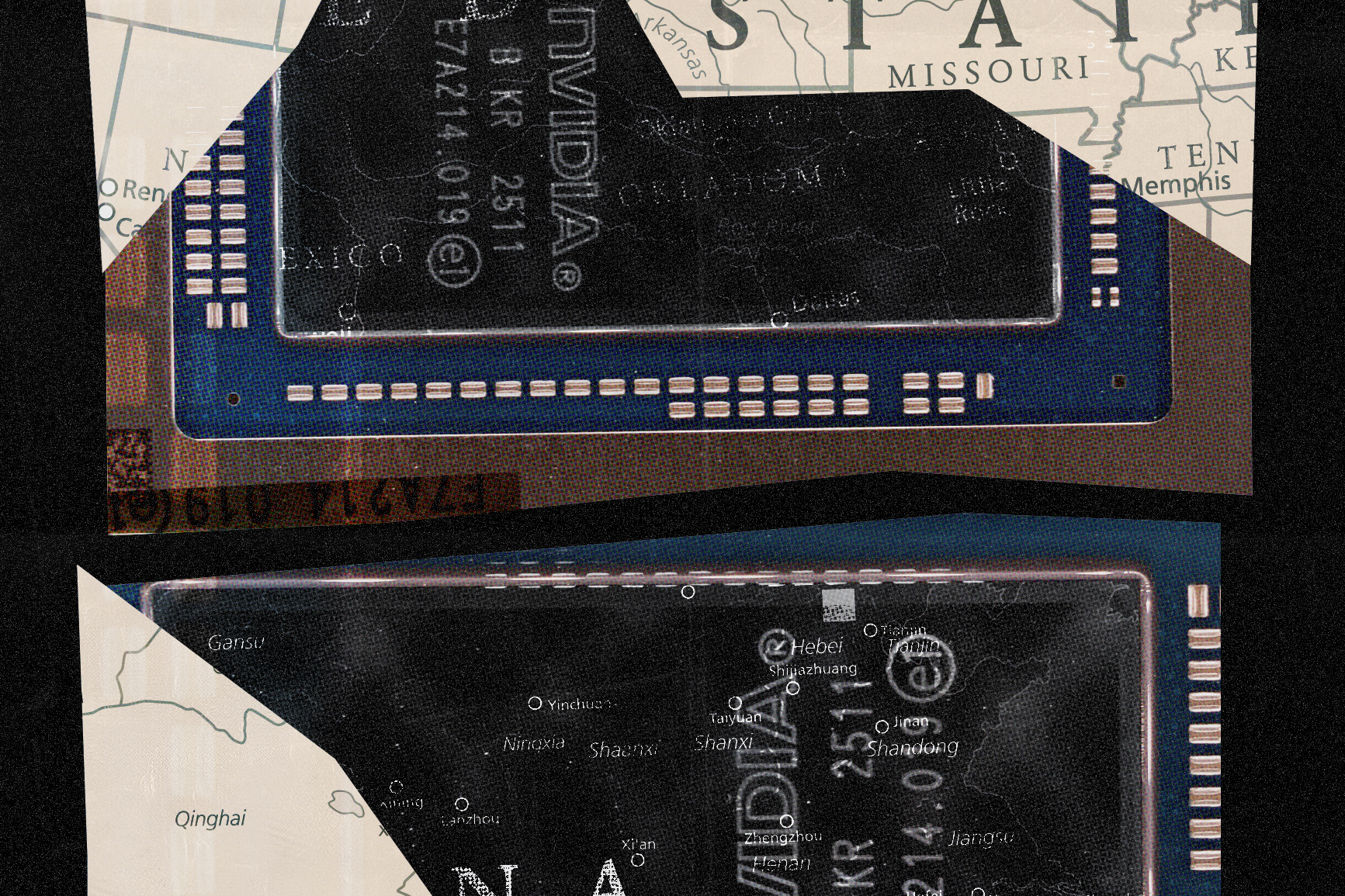
Nvidia founder Jensen Huang spent years lobbying Washington to sell advanced AI chips to China. This campaign led the Trump administration to approve H200 chip exports in December.
Huang made personal calls to lawmakers and officials to push for these sales. One person familiar with his approach said the company lobbied “constantly and aggressively”, according to reporting published November 23.
The campaign occurred as U.S. export controls tightened. It also intersected with a federal investigation into Megaspeed, a company run by a woman identified by U.S. intelligence as a Chinese spy who had a relationship with Huang.
- Huang personally lobbied Washington for years to secure chip sales to China.
- Nvidia designed chips just below export-control thresholds after Biden restrictions took effect in late 2022.
- The Trump administration approved H200 exports to China in December, a move the Commerce Department licensed for nearly 580,000 chips by May.
- Huang resigned and was reinstated as CEO within 11 days after the board cited input from senior U.S. government levels.
Huang lobbies for Chinese market access
Nvidia sought to protect its access to the Chinese market for years. Huang told Wall Street analysts in August 2025 that the opportunity reached $50 billion a year.
The Biden administration imposed export controls in late 2022 to restrict the most advanced chips. Nvidia engineers responded by designing new versions that fell just below the government thresholds.
Huang told analysts at the time that the chip “meets the clear test in letter and in spirit”.
Chris McGuire, a former National Security Council official who helped design the first restrictions, said the rules drew on public data, industry information, and intelligence community material.
McGuire said Nvidia pushed back using different methods. “They would come in and yell on vibes or on numbers that were very wrong,” he said.
Lawmakers proposed a bill in May 2025 to require tracking technology on AI chips to stop smuggling. Nvidia opposed this measure, and the bill stalled as Huang’s influence in Washington grew.
Competition grows in China
“Even though the demand for its chips in the U.S. outstrips supply.” Analyst Dan Ives warned that cutting off China would accelerate domestic competition.
“If you give China no U.S. chips, it will make domestic competition that much more formidable,” Ives said.
As Nvidia CEO Jensen Huang gained access to President Trump and secured his blessing to sell AI chips to China, he fueled a backlash among D. C. officials and national security hawks who wanted to keep the powerful technology out of Beijing’s hands. https://t.co/xPyz66l2JX
Georgetown University researchers provided an early warning in June 2022. They analyzed Chinese military and corporate records showing the People’s Liberation Army obtaining Nvidia AI chips to support modernization efforts.
The Commerce Department had signed off on sales of almost 580,000 Nvidia chips under licenses by May 2025. Nvidia said it made $2.4 billion in sales to China in the most recent quarter.
Spy scandal leads to board reversal
Huang’s standing in Washington changed after he resigned. He admitted to an affair with a woman suspected of being a Chinese spy who ran a company facing investigation for a vast black market in Nvidia chips.
Nvidia’s board reinstated him as chief executive on Monday. This decision followed “input from senior levels of the U.S. government”.
President Donald Trump wrote on Truth Social: “The NVIDIA Board of Directors has made the correct and proper decision to return Jensen Huang to the position of CEO.”
Interim CEO Colette Kress said she was shutting down Chinese sales of H200s. Trump administration officials issued new rules to close a loophole.
The loophole let Chinese firms access restricted top-tier Nvidia technology using data centers elsewhere in Asia. Huang and Nvidia general counsel Tim Teter agreed to transcribed interviews with three House committees. These meetings will occur on December 1 and December 2.
Investigations continue for Nvidia
A separate committee for national-security and export-control compliance oversees Nvidia’s independent investigation into Huang’s conduct involving the Megaspeed executive.
Singapore’s Ministry of Home Affairs said police found insufficient evidence to establish offenses related to potentially inaccurate declarations, and that Singapore had not investigated her for espionage. This statement addressed only the Singapore inquiry. A person familiar with the matter told NBC News that U.S. intelligence agencies had determined the executive was a Chinese spy and had a relationship with Huang.
Nvidia shares rose about 30 percent on the reinstatement announcement. The company seeks to move past weeks of turmoil while its own investigation and the Megaspeed probe continue in parallel.
Earlier coverage: Trump Backs Return of ex-Nvidia Boss After 'Bring Jensen Back' Campaign Launched