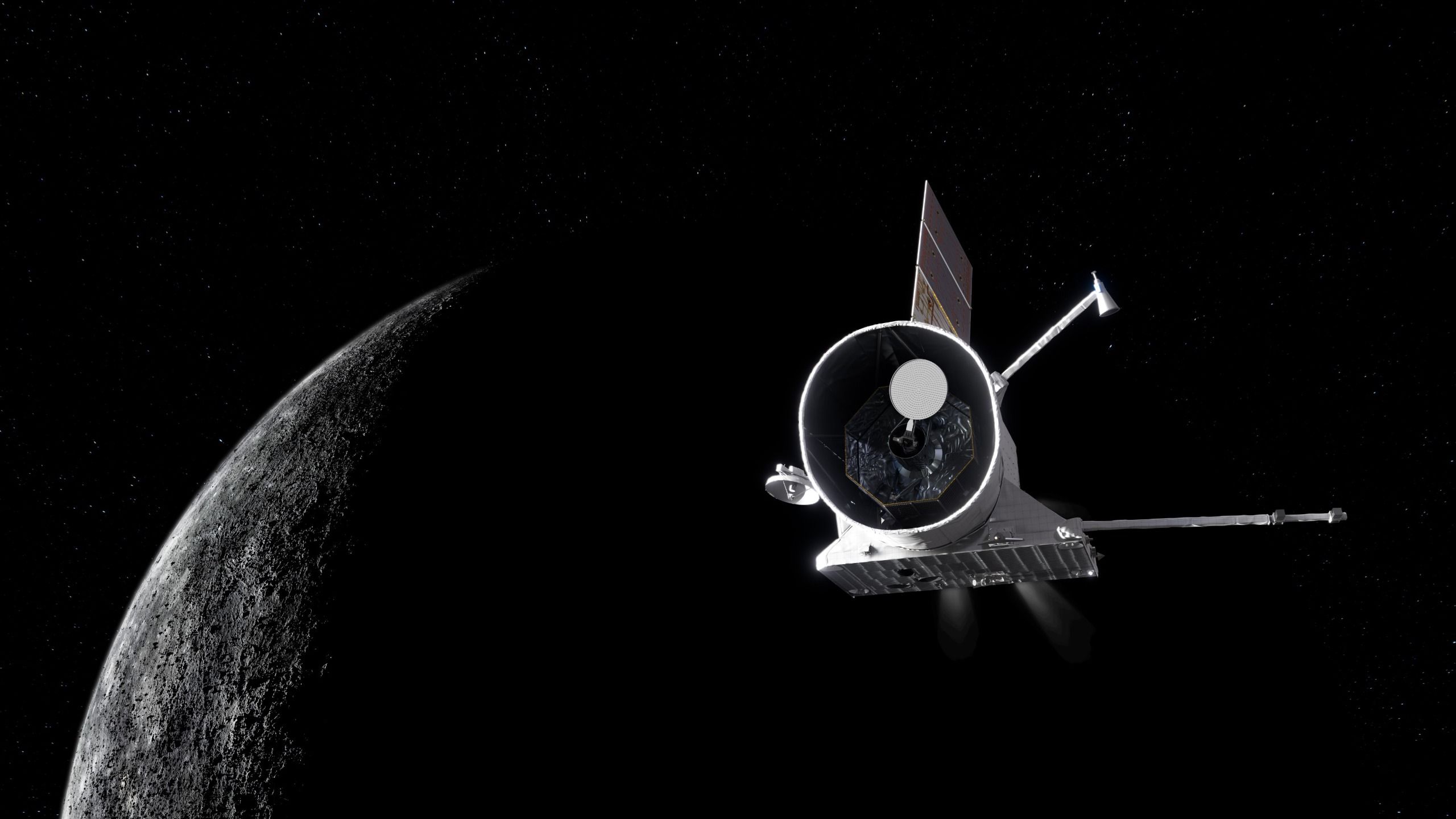
Following an eight-year interplanetary journey, the BepiColombo spacecraft has entered orbit around Mercury, becoming only the second mission in history to achieve orbit around the solar system’s innermost planet after NASA's MESSENGER in 2011–2015. The arrival followed a trajectory featuring nine planetary flybys and an orbital insertion burn on Saturday, November 21, 2026. However, a software glitch caused the 37-minute engine burn to cut short. Teams at the European Space Operations Centre confirmed that the spacecraft remains safe and in a stable orbit while they analyze incoming telemetry.
When do the two science orbiters separate?
The two stacked science orbiters—the European Space Agency’s Mercury Planetary Orbiter and the Japan Aerospace Exploration Agency’s Mercury Magnetospheric Orbiter (known as Mio)—are scheduled to separate on December 9. According to an updated fact sheet issued by the Japan Aerospace Exploration Agency on November 20, every future date is a plan, and the schedule remains subject to change if problems arise with the spacecraft or weather.
Following the December 9 separation, Mio is set to operate under JAXA’s control in an orbit of 590 by 11,640 kilometers. On December 16, the sunshield known as MOSIF is scheduled to come away. Meanwhile, the Mercury Planetary Orbiter will lower itself to a working orbit of 480 by 1,500 kilometers, which it is scheduled to reach on March 10, 2027.
When will the mission begin routine science operations?
Routine joint science operations are scheduled to begin on April 6, 2027. Ahead of this phase, the mission team must complete the orbiter separation sequence, deploy instruments, and navigate the Mercury Planetary Orbiter to its final working orbit.