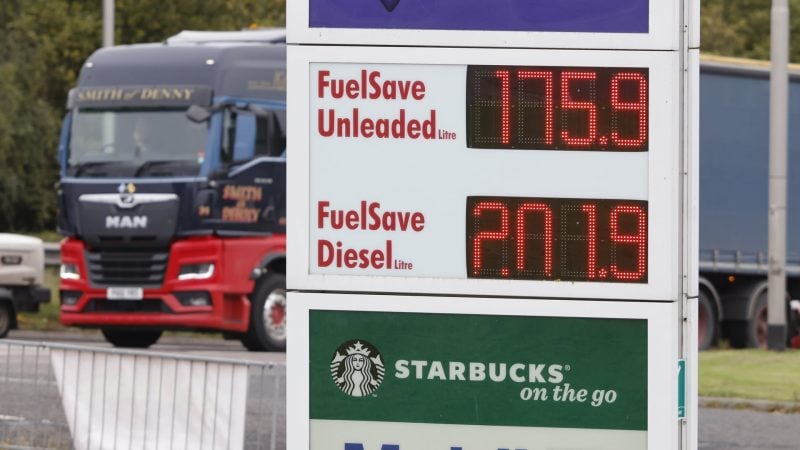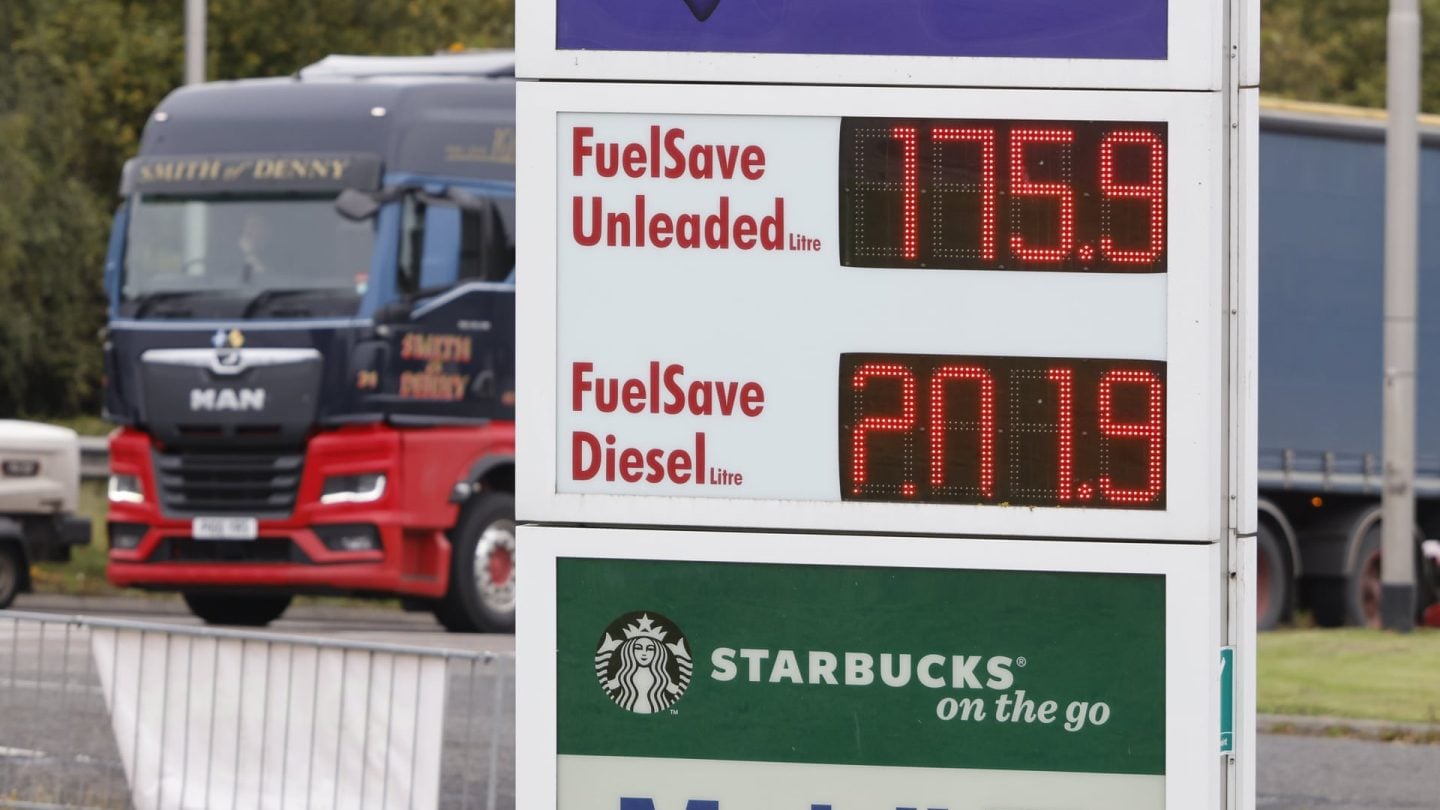
The Monetary Policy Committee (MPC) voted 8-1 in favor of the hike, with the dissenting member seeking a more aggressive 0.5 percentage point increase to 4.25%, according to The Guardian. The decision reflects concerns over persistent inflationary pressures driven by the ongoing conflict in the Middle East and rising global energy prices.
Mortgage Payments and Financial Impact for Households
According to data from UK Finance, the average increase for those on tracker deals would be £30.72. While only about 510,000 outstanding mortgages are on tracker rates—making up roughly 6% of the total—the broader economy is bracing for the effects of higher borrowing costs. For savers, the news is more positive; Jenny Holt, customer savings and investment director at Standard Life, noted that higher rates could improve returns on cash, though she cautioned that banks may not pass on the full increase to consumers.
Richard Donnell, executive director at Zoopla, stated that this latest increase in the base rate is set to make more buyers pause and wait on their home buying decisions. Meanwhile, for small and medium-sized enterprises (SMEs), the situation is increasingly difficult. Rob Keown-Boyd, chief executive of the lending fintech multifi, stated that small businesses are under “real pressure,” with the higher cost of borrowing exacerbating a cashflow crisis.
ICYMI, the price of Brent crude is still down about 15% in the last few days, despite a partial recovery today 👇 Too late for the Bank of England decision (and unlikely to matter anyway), but helps the narrative that interest rates may not have to rise much further… 🤞 pic.twitter.com/qh3Ct1mDsa
Bank of England Raises Rates Following Iran Conflict Energy Shocks
Bank of England Governor Andrew Bailey explained that the decision to hike rates was a necessary response to the economic fallout from the war in Iran, which has disrupted energy transport and pushed global oil prices higher. The central bank now projects UK inflation will rise to about 5% by the middle of 2027. While inflation reached 3.5% in September, the Bank of England anticipates that higher energy prices will eventually force businesses to increase their own prices to cover costs, leading to knock-on effects.
Bailey noted that the increase was unlikely to be the last unless the conflict in the Middle East is resolved. Catherine Mann, a member of the MPC, suggested that a half-point increase would have been “good policy,” arguing that the economy was now experiencing stronger second-round effects. In contrast, Alan Taylor, another member, emphasized that markets should view this as a one-off “insurance” hike rather than the beginning of an aggressive tightening cycle.
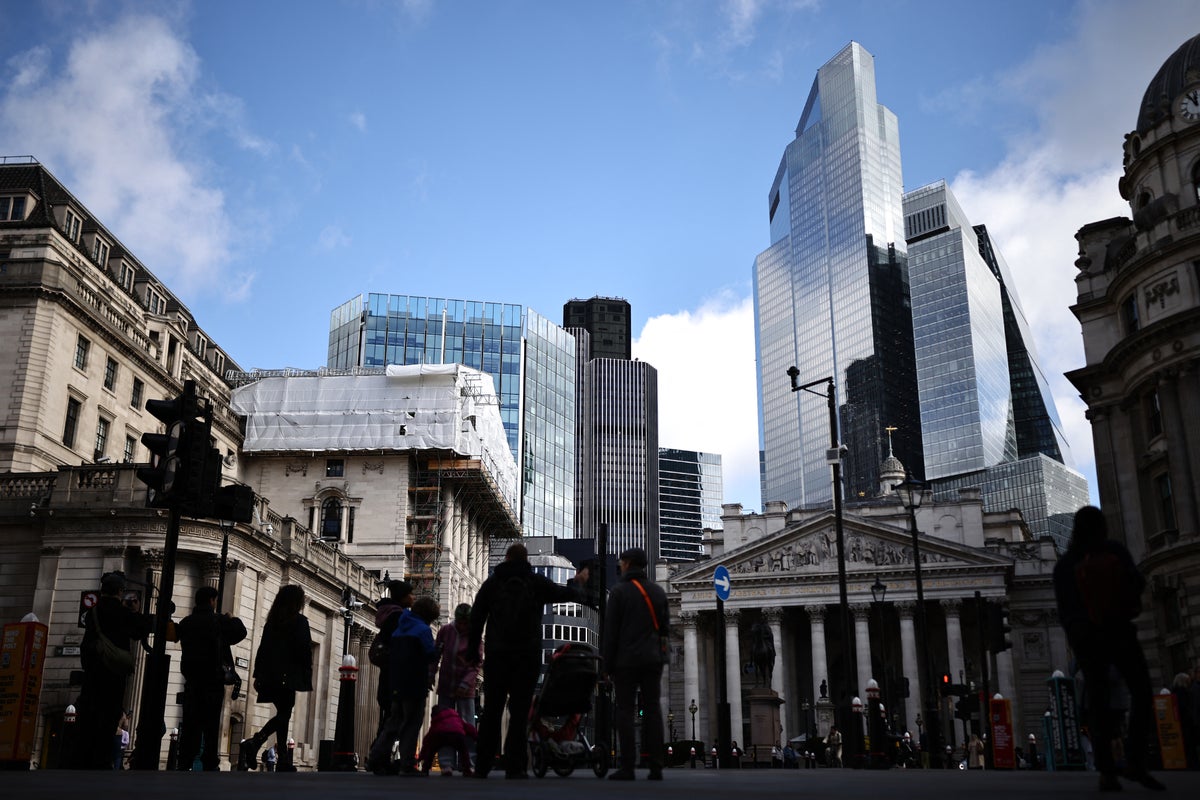
Policymakers Debate Whether Further Interest Rate Hikes Are Necessary
Financial markets reacted to the decision with a focus on the potential for further tightening. While the BoE signaled a cautious approach, some policymakers, including Deputy Governor Clare Lombardelli, indicated that a case for more hikes in the near term was likely. Chief Economist Huw Pill stated that a single 25 basis-point move was unlikely to be sufficient, and Dave Ramsden expressed declining confidence regarding domestic disinflation. Conversely, David Rees, chief economist at Schroders, argued that the move was not the start of an aggressive tightening campaign,
noting that domestic inflation remains relatively well-behaved and there is still slack in the economy.
The pound experienced volatility following the announcement. It was up 0.05% at 83.48 pence per euro, having touched its highest level since March 2025 last week. Against the dollar, the pound rose 0.01% to $1.3473. Gold markets also responded to the hawkish shift; spot gold was last traded at £3,065.90 an ounce, up 1.70% on the day. Investors are currently monitoring the evolution of pay, pricing behavior, and economic slack to gauge the likelihood of future rate adjustments.
As widely expected, the Bank of England hiked interest rates by 25 bps. The vote was 8-1, with one dissenter pushing for 50 bps. The policy move comes alongside a warning that inflation could peak at 4.9% next year.#economy #markets #boe @bankofengland #centralbanks
More on Bank of England
The Bank of England has raised interest rates for the first time in more than three years and warned that further hikes are likely if the Iran war is not resolved. They’ve raised the base rate to 4% from 3.75%, and it’s the first time that borrowing costs have gone up since… pic.twitter.com/tLTlcUvu0c
NEW Bank of England RAISES rates to 4% for first time in 3 years 8-1 vote (with 1 vote for 0.5% rise) Q3 GDP growth now forecast at 0.7% Inflation set for 4.9% in spring