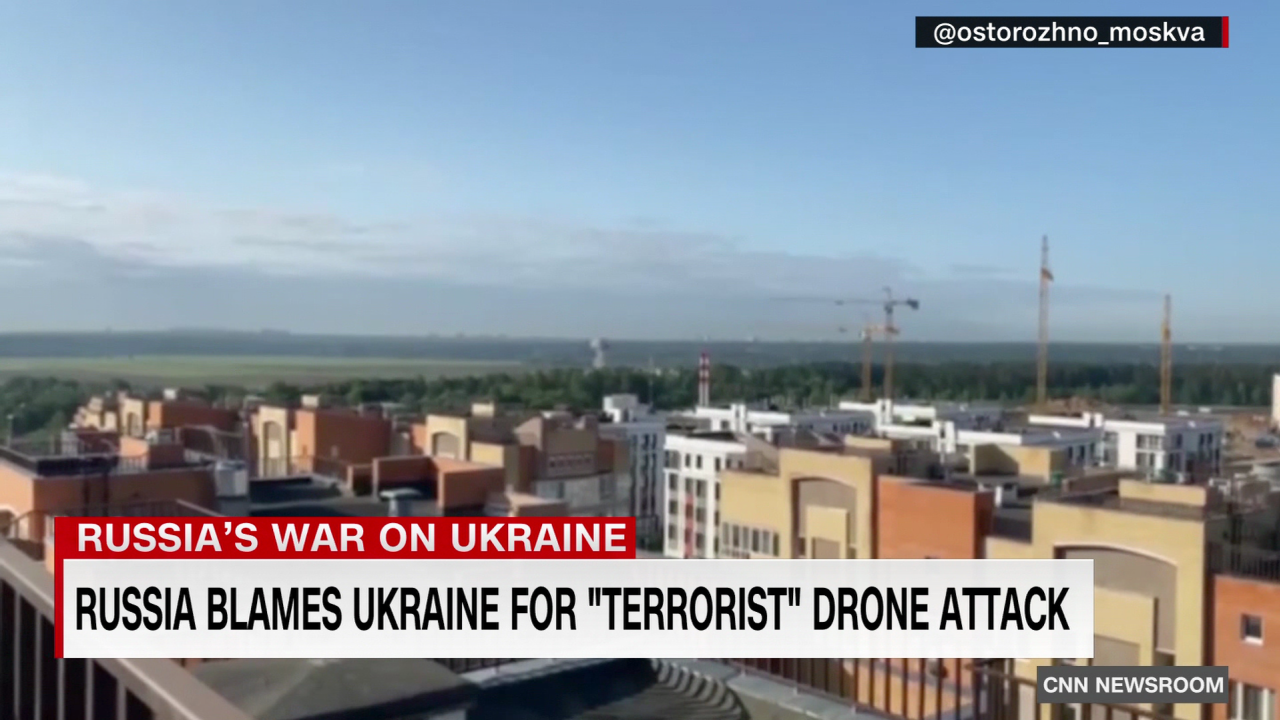
Ukrainian drone strikes have disabled 55 percent of Russia’s fuel production. These attacks push the country toward a gasoline crisis and threaten fuel rationing, according to Business AM.
Strategic attacks have hit major oil refineries and key export ports stretching from the Baltic coast to Siberia.
Sergei Vakulenko, senior researcher at the Carnegie Russia Eurasia Center, estimates that some plants halted operations. He said reserves will last only seven days under normal national consumption levels.
A calm period in October allowed Russian energy companies to build up some supplies. Vakulenko said those reserves are inadequate.
The Omsk refinery in West Siberia was hit on November 11. It is the country’s largest processing plant.
Other targeted facilities include the KINEF refinery in the Leningrad region and the NORSI plant near Nizjni Novgorod. NORSI serves as the second-largest automotive fuel supplier.
Refineries supplying the capital faced disruptions after the Ryazan and Slavneft-YANOS plants were attacked in early November. The campaign continued with an assault on the Volgograd plant on November 13.
Strikes also hit smaller facilities in Novokuybyshevsk, Ufa, and Afipsky.
Logistical hubs have become targets alongside production facilities. Explosions and major fires were reported in the port of Ust-Luga on the Baltic coast near Saint Petersburg following warnings of approaching drone threats.
The simultaneous damage to these production and export locations questions Moscow’s ability to stabilize its internal fuel market.