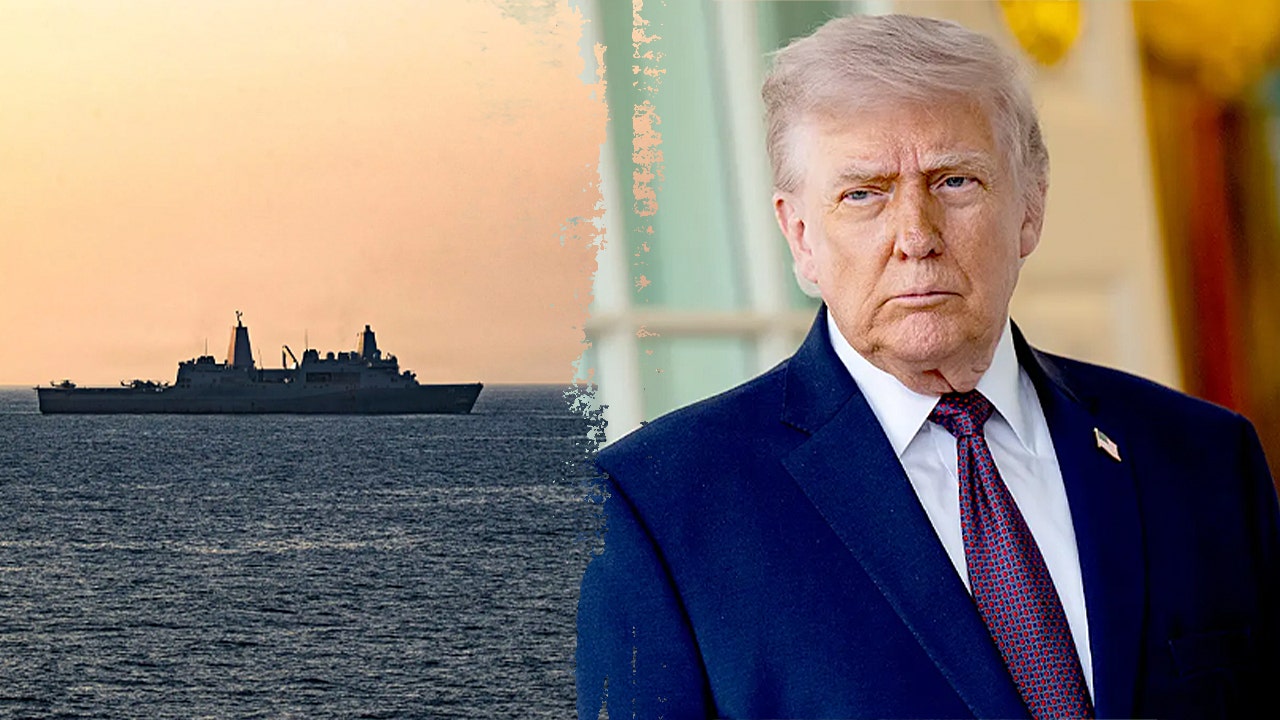
United States Central Command rejected claims from Iranian military officials regarding naval operations and maritime restrictions in the Gulf of Oman and Strait of Hormuz, pushing back against accounts of damaged aircraft carriers, seized tankers, and transit tolls.
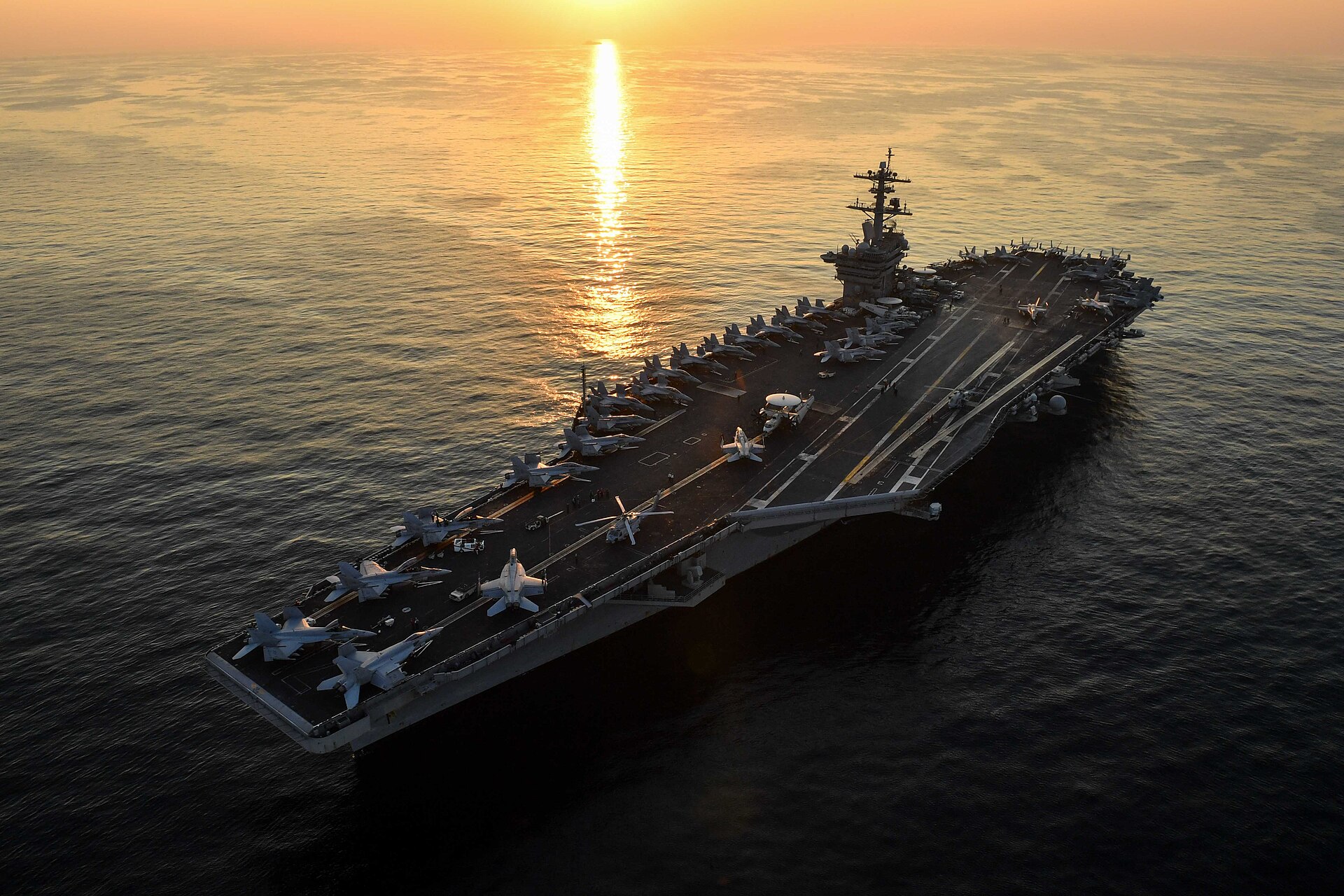
- CENTCOM confirmed that the aircraft carrier USS Abraham Lincoln completed a successful combat deployment and returned safely to the US last month.
- The command denied that any US naval vessels were struck or that Washington ever charged a $2.5 million toll for Strait of Hormuz transit.
- An American aircraft disabled the Palau-flagged vessel Pacific Archer on Thursday after it attempted to breach the blockade.
Military Denies Carrier Strikes
Military authorities in Washington dismissed claims that Iranian naval forces struck the USS Abraham Lincoln during the opening days of Operation Epic Fury, forcing forces to seek evacuation help from regional countries. The command said that the strike group remained well-defended, sustained no hits, and finished its deployment before returning to the United States last month.
Command officials also rejected reports that American personnel fell asleep while Islamic Revolutionary Guard Corps forces recaptured two oil tankers previously seized by the US. The command called those accounts entirely fabricated and maintained that Iran no longer possessed an operational navy.
Strait of Hormuz Tolls Denied
Addressing claims from Iranian naval commander Admiral Shahram Irani regarding transit fees, CENTCOM denied that Washington demanded $2.5 million in advance for vessels seeking to pass through the Strait of Hormuz. The command insisted that commercial vessels faced no tolls to use the international shipping lane.
According to CENTCOM, regional partners and American forces successfully restored freedom of navigation through the strategic waterway. Officials stated thousands of ships and billions of barrels of crude oil passed safely under US protection despite hostile actions from Tehran.
Gulf of Oman Enforcement Action
While denying Iranian operational claims, the US military confirmed active enforcement operations against vessels attempting to bypass maritime restrictions. An American aircraft targeted the Palau-flagged cargo ship Pacific Archer with precision munitions on Thursday after it attempted to breach the blockade.
“The ship’s propulsion was ultimately disabled and the civilian crew was unharmed,” CENTCOM said, noting that the vessel had violated Washington’s ongoing blockade of Iranian ports.
The command reported that enforcement efforts resulted in six disabled ships and 158 redirected vessels since the maritime restrictions were reimposed in mid-July.
Conflict Escalates After Airstrikes
The hostilities escalated sharply after an outbreak of conflict on February 28, when United States and Israeli airstrikes resulted in the deaths of Iranian Supreme Leader Ali Khamenei and other high-ranking officials.
President Trump told Fox News he's inclined to resume strikes against Iran after the new year. The President responded to reports of Iran planning to test the U. S. naval blockade. "I hope they do, they'll all be at the bottom of the sea like the rest of the navy." pic.twitter.com/wziCX97eRL
The Ministry of Foreign Affairs said on November 23 that Iran intends to use all accessible tools to confront what it characterized as an act of military aggression, identifying the American blockade as a violation and asserting its legal right to self-defense pursuant to Article 51 of the United Nations Charter.
Foreign Ministry spokesperson Esmaeil Baghaei said that normal security conditions could be restored in the region within a very short timeframe if Washington meets specific conditions, which include halting hostile military actions, waiving economic restrictions, and lifting the maritime blockade.
“Iranians are now looking increasingly for options to put an end to the US naval blockade,” Al Jazeera's Resul Serdar Atas said,
Visible Iranian crude exports fell to near zero, with no barrels sold oneral market. Data indicates this drop dates from mid-July.

Observers estimate that every single day without oil sales costs the Iranian government about $250 million in lost export revenue. This pushed annual average inflation to 76.8 percent and drove consumer prices up by 88.7 percent in October compared to the previous year.
First Vice President Mohammad Reza Aref said that increased cargo clearance through alternative non-southern border routes demonstrated that the country was unconcerned by the blockade, attempting to downplay the impact of the maritime restrictions. However, independent trade monitors recorded that visible exports remained at a standstill.
Data firm Kpler identified only one tanker in motion and noted a ship-to-ship transfer of roughly 200,000 barrels of crude oil from the OLYM to the HAO FAN south of Kharg Island on November 17. CENTCOM expanded enforcement parameters to target any vessel receiving cargo from Iranian-linked ships at sea.
Hardline political figures and military commanders in Tehran have debated various methods to pierce the embargo. Media outlets linked to the Islamic Revolutionary Guard Corps floated proposals to dispatch a declared convoy of fourteen tankers carrying crude oil toward foreign markets, potentially accompanied by noncombatants and journalists to complicate interception efforts.
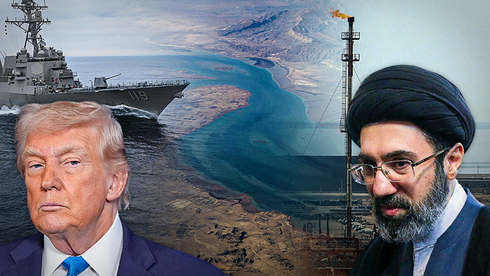
Lawmakers, including parliamentary national security and foreign policy committee chairman Ebrahim Azizi, said on social media that the nation cannot be blockaded. IRGC Commander Major General Ahmad Vahidi said that military forces were fully prepared to drive adversaries into retreat, while Chief of Staff of the Iranian Armed Forces Major General Ali Abdollahi said that missile units had heavily damaged multiple regional US military bases.
Supreme Leader aide Mohammad Mokhber and Navy Commander Rear Admiral Shahram Irani vowed that new military operations would extend past simply breaking the maritime blockade, setting an ultimate objective of expelling American forces from the entire West Asian region. Irani also said that legal proceedings had been launched internationally regarding the deaths of sailors aboard the Iranian destroyer Dena.
United States Central Command head Admiral Brad Cooper and other defense figures said that naval forces face difficult choices if Iran attempts to break the naval blockade across open waters where detection and response favor the defender. Defense analysts and commentators like Abdulrahman Al-Rashed said pressure on Gulf neighbors and Jordan failed, emboldening Washington hardliners, including Secretary of State Marco Rubio, during the standoff.
With the United Nations Security Council remaining deadlocked following a failed Bahrain-led resolution in April, maritime authorities and trade monitors continue to track escalating risks across regional shipping lanes as international tensions persist, matching the earlier deadlock from the April UN Security Council vote.