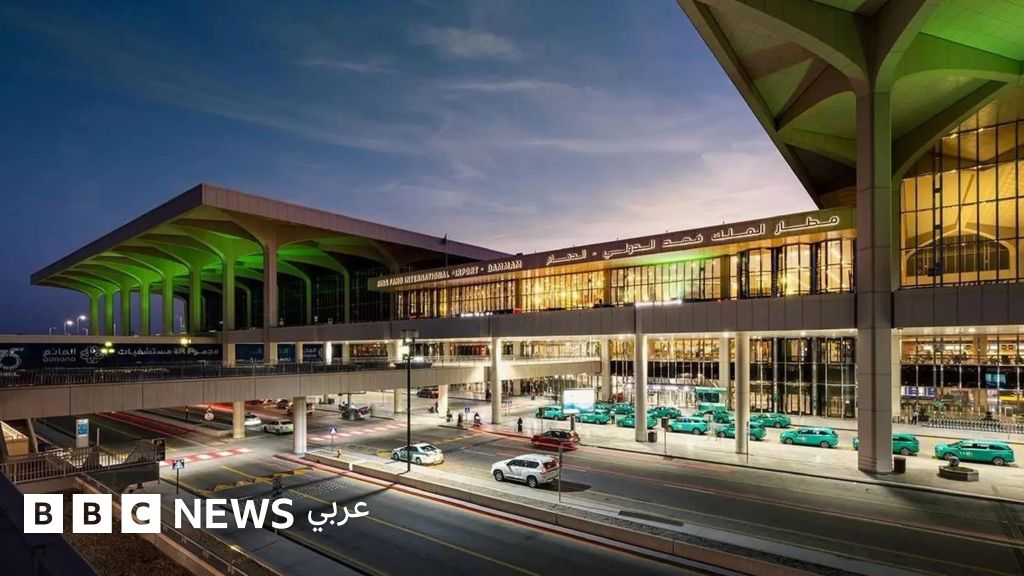
Following a drone strike that killed two people and injured eight others at King Fahd International Airport in Dammam, Saudi authorities confirmed flight operations have resumed. Meanwhile, the U.S. State Department ordered non-essential government personnel to leave the kingdom amid escalating regional security risks.
The escalation unfolded on Wednesday evening, bringing renewed violence to critical civilian and energy infrastructure in eastern Saudi Arabia. According to the General Authority of Civil Aviation, an attack struck King Fahd International Airport in Dammam, resulting in casualties among both citizens and foreign nationals.
Casualties and Damage at King Fahd International Airport
The General Authority of Civil Aviation reported that the death toll from the airport strike rose to two after officials confirmed an additional fatality. The victims include one Saudi citizen and an Indian resident, while eight other individuals sustained injuries ranging from minor to severe.
The injured victims include a Saudi citizen, two Indian nationals, two Yemeni nationals, two Bangladeshi nationals, and a Nepali resident. Medical teams transported the wounded to various hospitals for urgent treatment. The aviation authority confirmed that operational activities at the airport have since resumed and air traffic has returned to normal following security assessments and damage evaluations.
US Orders Non-Essential Embassy Staff to Leave Saudi Arabia
In response to the deteriorating security situation, the United States ordered non-essential government employees and their family members stationed at the embassy in Riyadh to leave the kingdom. State Department spokesperson Tommy Pigott noted that the directive applies strictly to Saudi Arabia rather than all regional diplomatic posts, addressing widespread rumors.
U.S. Embassy guidance restricted official air travel within the country, noting that King Khalid International Airport in Riyadh faced suspended operations while Jeddah and Dammam continued working with intermittent delays and cancellations.
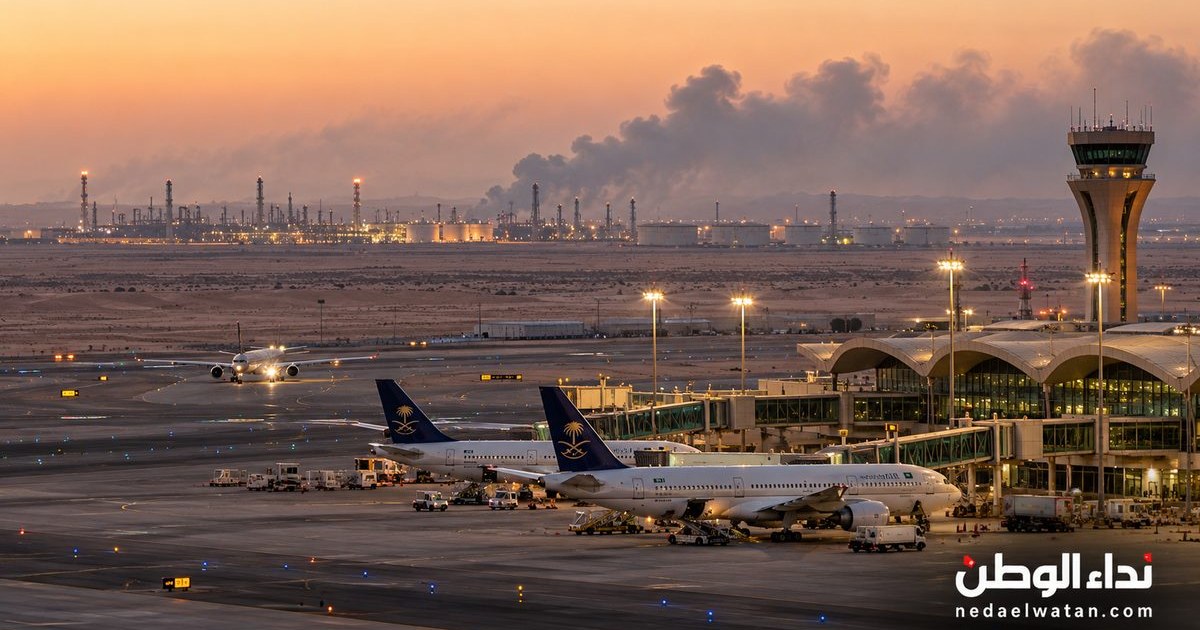
The military escalation also reverberated across international energy markets. Following the attacks, benchmark oil prices climbed as traders assessed the security threats to regional infrastructure. Brent crude futures advanced by 1.29 dollars, or 1.2 percent, reaching 110.11 dollars per barrel by 00:34 GMT, while U.S. West Texas Intermediate crude increased by 97 cents, or one percent, to settle at 98.12 dollars per barrel.