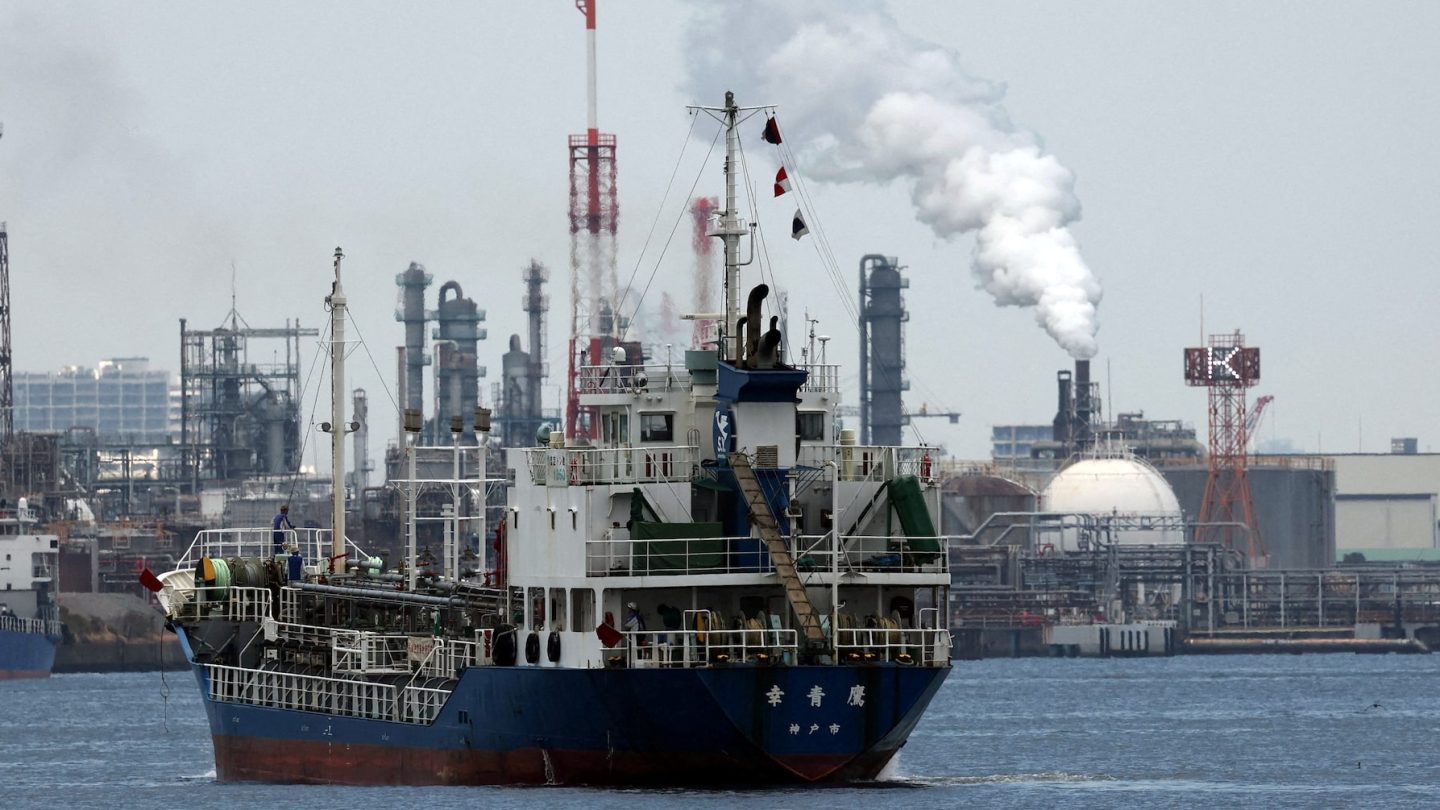
Global shipping costs for crude oil have surged past normal levels in 2026, driven by Middle East transit restrictions and security risks near the Strait of Hormuz. Tanker charter rates, insurance premiums, and freight prices have climbed sharply, squeezing refinery margins in Asia and driving up living costs worldwide.
Tanker charter rates on key routes from the Middle East to Asia have skyrocketed, pushing daily rental costs to historic highs. According to reports from Reuters, the cost to charter a very large crude carrier on the Persian Gulf to Asia route climbed to roughly 36 dollars per barrel by early October 2026. This figure represents more than five times the cost recorded before the conflict with Iran.
Other major trade corridors show a similar strain. Moving crude from the United States Gulf Coast to China has become exceptionally expensive, with individual voyage costs soaring dramatically. Data cited by the Akhbar Al-Masaa reporting indicates that shipping a single cargo from the U.S. to China reached substantial sums, roughly tenfold its pre-war baseline. Meanwhile, Albahr Info noted that a voyage from the U.S. to Japan by a giant carrier costs tens of millions of dollars compared to a prior average last year.
OPEC+ Warnings and Global Inflationary Pressures
Ministers from the Organization of the Petroleum Exporting Countries and their allies issued stark warnings during an energy gathering in Riyadh. The coalition stated that freight and insurance expenses have surpassed a third of the raw commodity’s value, severely disrupting trade patterns and fueling worldwide inflation (as detailed by Nedaelwatan). These shipping burdens compound broader economic strains, prompting the International Monetary Fund to project global inflation reaching 4.7 percent in 2026, compared to 4.1 percent in 2025 (according to Alaraby).
Energy transit through the Strait of Hormuz remains constrained, though oil flows through the strait have experienced significant activity, approaching pre-war levels. These bottlenecks force vessels onto longer alternative paths and trigger heavy reliance on ship-to-ship transfers outside the strait.
Aging Supertanker Prices Surge Amid Regional Oil Rerouting
Short-distance maritime transport needs have ignited intense competition for aged vessels. Data from Al-Masry Al-Youm shows that prices for 5-, 10-, 15-, and 20-year-old supertankers jumped by 27 percent, 37 percent, 34 percent, and 36 percent respectively. Middle Eastern oil producers are driving these acquisitions to move crude from Persian Gulf terminals to facilities situated outside the Strait of Hormuz, capitalizing on significant price differentials between regional oil and Gulf of Oman deliveries.
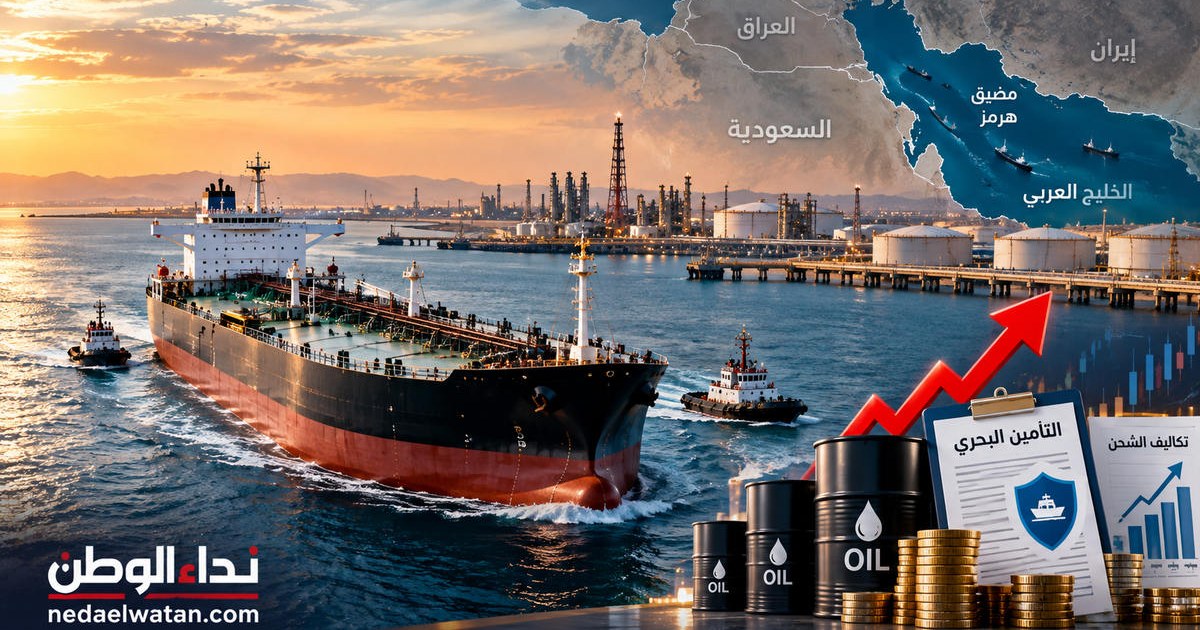
This regional redirection creates an unusual split in international petroleum markets. Prices for Canadian, Colombian, and Ecuadorian heavy grades dropped by more than 10 dollars per barrel over a six-week stretch, with Western Canadian Select falling to 74 dollars per barrel during the first week of October 2026 before recovering to 79.50 dollars.
Asian Refiner Margins Turn Negative as Raw Material Costs Spike
Asian refiners processing high-sulfur medium crudes saw their margins pushed into negative territory in September due to exorbitant raw material delivery expenses (noted Erem News). Meanwhile, U.S. refineries operated near maximum capacity, utilizing emergency reserves and available feedstocks to boost diesel output while managing regional logistics limits.
BRS Tankers said that transit restrictions through the Strait of Hormuz continue to drive short-haul maritime shipping, boosting demand for available capacity.
Market participants continue monitoring maritime security and transit lanes as producers evaluate potential supply adjustments and regulatory easing to stabilize costs heading toward the winter season.