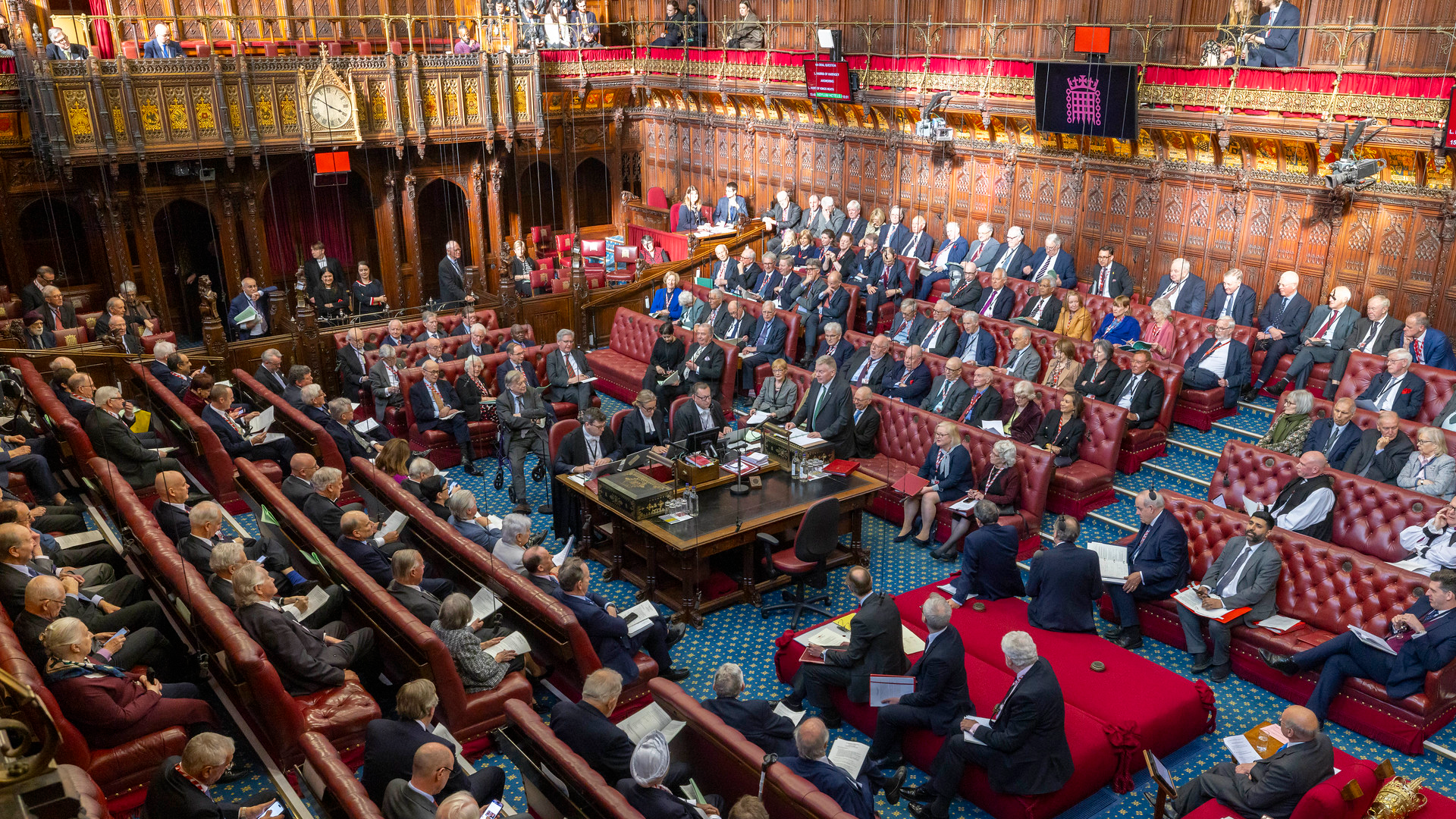
The UK government is ill-equipped for a “polycrisis” of interconnected threats, according to a report published Monday by the House of Lords national resilience committee.
Emergency planning remains fragmented and relies on outdated models that treat risks as isolated events.
The committee report accuses ministers of complacency over risks that could prove catastrophic. While it credits the government for launching the Be Ready campaign, it warns that the initiative is insufficient. House of Lords national resilience committee, parliamentary report
The government recently introduced the “Be Ready” campaign to encourage household stockpiling of food and water. The report argues this addresses only a narrow sliver of national vulnerability. Retail food supply is concentrated: 95% is supplied by just nine companies using 131 distribution hubs.
Medical supply chains face similarly acute vulnerabilities. The UK has no integrated penicillin production facilities. 90% of the world’s 6-APA—the base compound for penicillin-type antibiotics—is produced in China.

Disruptions in overseas manufacturing for basic surgical items, such as scissors and staplers, could halt routine operations entirely, witnesses said. Infrastructure security, particularly regarding digital communications, is a primary concern.
BT holds a dominant role in the sector but relies on just two cable repair ships. One is 35 years old. The other is French-owned and generally unavailable. The report recommended pausing plans to switch off digital terrestrial television signals to mitigate the risk of a communications blackout.
The committee proposed a new framework including a dedicated cabinet minister and a national register of volunteers. Peers also called for the government to provide every household with an emergency preparedness booklet, following models used in Denmark and Sweden.
A Cabinet Office spokesperson said the government would “carefully review” the recommendations. The spokesperson said the government is preparing for the largest home defence exercise in recent history and has invested over £1bn in pandemic security.
The committee’s report, titled Are we ready? Building a culture of resilience, follows an inquiry that began taking evidence in March. The findings mirror warnings from a 2021 report by a previous Lords committee, which had also cautioned that the nation’s emergency planning was failing to evolve.