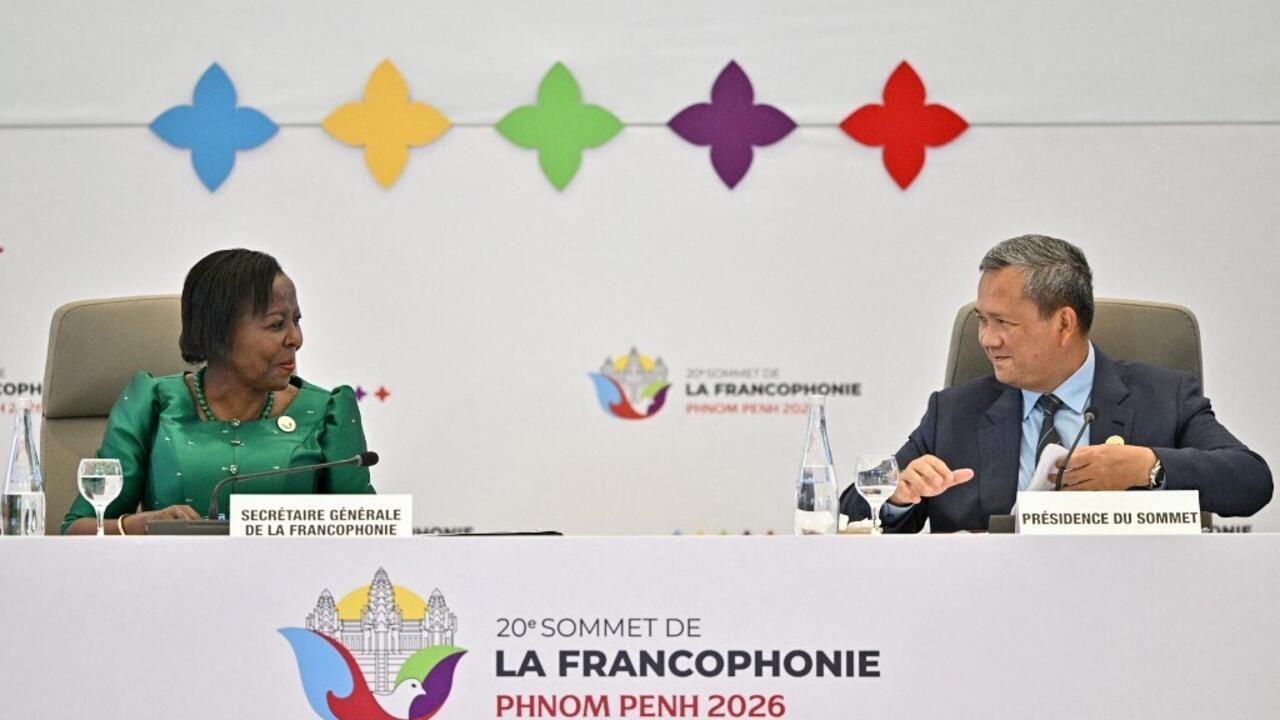
The decision to delay the vote follows a bitter dispute between the Democratic Republic of the Congo and Rwanda regarding the future of incumbent Louise Mushikiwabo.
According to multiple sources, the Rwandan official will not stand as a candidate when the vote is held. French President Emmanuel Macron hailed the outcome as a “compromise,” stating that the move reflects the commitment of member states to the organization and their capacity to navigate internal friction. The Élysée Palace issued a statement noting that France welcomes the responsibility displayed by the members in enabling this decision.
Diplomatic Deadlock Between DRC and Rwanda
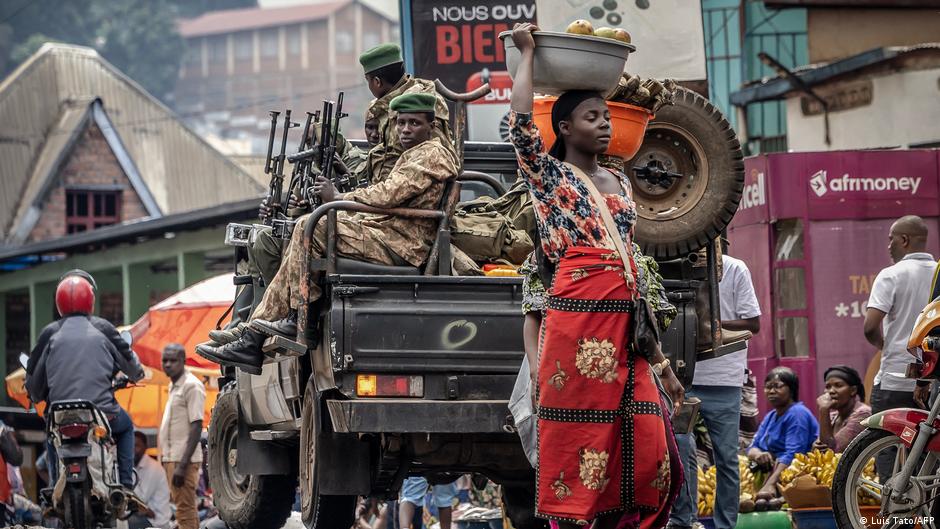
The leadership contest was overshadowed by the long-running conflict between the Democratic Republic of the Congo (DRC), led by Felix Tshisekedi, and Rwanda, led by Paul Kagame. Kinshasa has accused Kigali of supporting the M23 armed group in eastern Congo, an allegation that Kagame has denied. The dispute has spilled into the world of Francophone diplomacy, with the DRC threatening to withdraw from the bloc if Mushikiwabo were reappointed.
The controversy, according to regional experts like Kambale Musavuli, an independent consultant and human rights advocate based in Accra, and Paul-Simon Handy from the Institute for Security Studies in Addis Ababa, has tested the OIF’s unity and its ability to uphold its values amid mounting geopolitical tensions.
To ease the tensions, French leader Emmanuel Macron proposed that both Kinshasa and Kigali drop their respective candidates so that alternative figures could gain consensus support.
During a Sunday morning discussion with Rwandan President Paul Kagame, Macron urged the DRC, Rwanda, and Mauritania to hold talks “among themselves” to reach an “African consensus that France will support,” according to the Élysée Palace. He reiterated this call for an African-led consensus before the heads of state on Monday morning.
The DRC, which nominated Juliana Lumumba, offered to withdraw her candidacy to help build a consensus. Congolese Foreign Minister Thérèse Kayikwamba Wagner said that the nation’s leadership bid was pursued in a positive spirit, emphasizing that the election should not be viewed as a rivalry between states.
Conversely, Rwanda denounced what it termed “pressure” from Paris and maintained that Mushikiwabo would remain in the race. Other candidates in the running included Dacian Ciolos of Romania and Coumba Bâ of Mauritania.
Independent Voting Stance From Quebec
In his first international outing since his election, St-Pierre Plamondon suggested on Saturday that he was prepared to vote differently from Canada in the election. Quebec, Canada, and New Brunswick each hold the right to vote in the proceedings.
St-Pierre Plamondon said that the delegation was not bound by the votes of other candidates. While he had a scheduled in-person meeting with Canadian Prime Minister Mark Carney on Sunday to discuss an economic update, the Premier maintained an independent stance regarding the OIF election.
Mushikiwabo had previously expressed a desire for Quebec’s support, noting that she maintains good relations with the province and works alongside her deputy, Quebec native Caroline St-Hilaire.
St-Pierre Plamondon addressed a roundtable of Quebec entrepreneurs at the Rencontre des entrepreneurs francophones (REF), where he emphasized the competitive advantage the Francophonie provides to the province. He highlighted that the organization consists of 1.2 billion French speakers and represents significant, underutilized economic potential.
DRC Maintains Influence Despite Varying Membership Contributions
While financial contributions do not determine voting power, the OIF members vary significantly in their fiscal support. The DRC contributes €85,273 annually, compared to Rwanda’s €35,000 and Romania’s €610,946. Despite the difference in funding, the DRC remains influential within the organization due to its large French-speaking population, which is among the largest in the world after France.