
Member states of the Organisation of Islamic Cooperation established a new cybersecurity ministerial council headquartered in Riyadh following a proposal from Saudi Arabia during their fifty-second session.
The Council of Foreign Ministers for the Organisation of Islamic Cooperation officially voted to create the Organisation of Islamic Cooperation Ministerial Council for Cybersecurity during their 52nd session, adopting an initiative forwarded by Saudi Arabia. The entity brings together cybersecurity authorities from the 57 countries that make up the intergovernmental bloc, which stands as the second-largest international governmental organisation after the United Nations.
Operating as a subsidiary body under the umbrella of the organisation, the ministerial council will serve as a central reference point for digital security matters across member nations.
Riyadh Hosts the Permanent Secretariat and Executive Office
The permanent Secretariat and Executive Office for the cybersecurity council will be established in Riyadh under the terms of the founding resolution. Representatives from the host nation will lead both bodies.
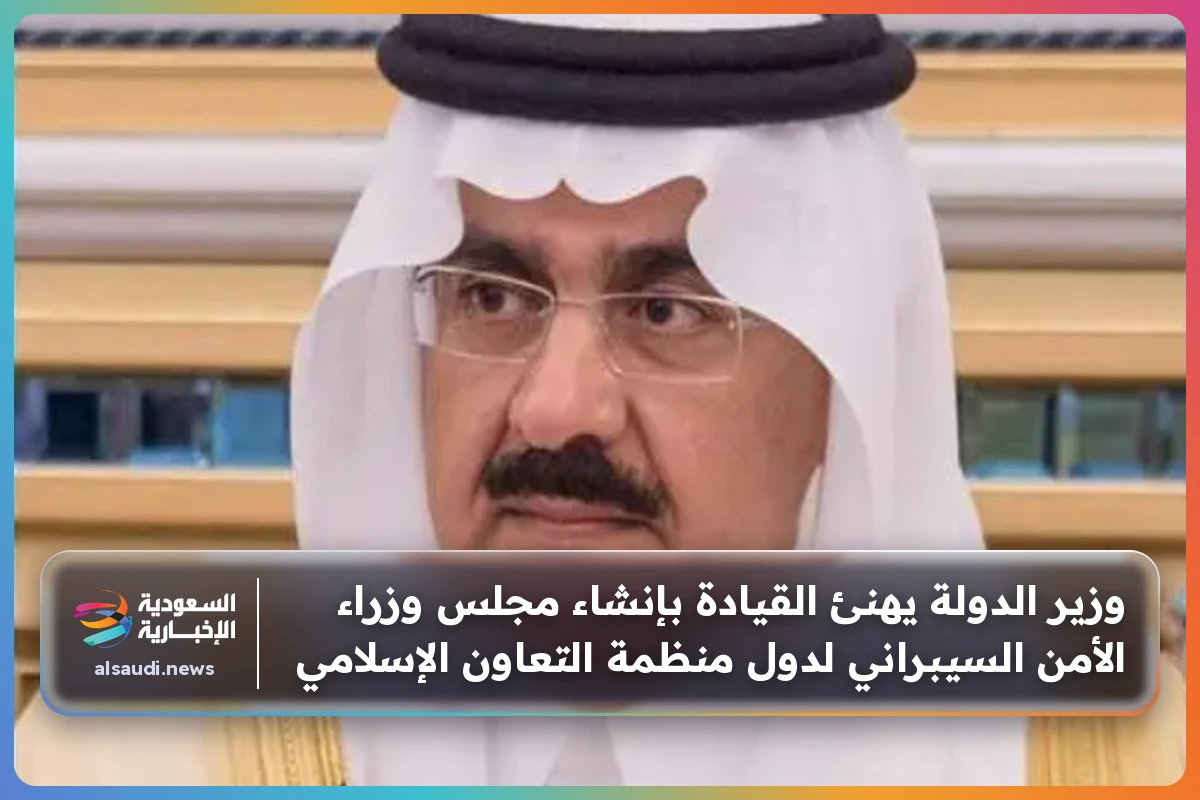
Engineer Majid bin Mohammed Al-Mazyad, governor of the National Cybersecurity Authority, noted that the proposal stems from the kingdom’s diplomatic footprint in digital stability initiatives.
He pointed to several established institutions anchored in Riyadh:.
- The Arab Cybersecurity Ministerial Council, which also bases its secretariat and executive office in the Saudi capital.
Officials Target Critical Infrastructure Protection
State officials emphasized that the council's mandate focuses heavily on safeguarding essential public services, critical national infrastructure, and high-priority economic sectors from aggressive digital adversaries.
Leadership framed digital defences as a fundamental pillar required to sustain national economic growth, foster societal prosperity, and maintain international peace and security.
The council aims to unify member state positions and protect their collective interests when dealing with international bodies that touch on cybersecurity policy.
The 57-member intergovernmental bloc is second only to the United Nations.