Talks were not easy, but they have produced a result, said President Volodymyr Zelenskyy, signaling a shift in the diplomatic landscape as Ukraine grapples with intensifying Russian strikes.
The ongoing conflict between Ukraine and Russia is approaching its five-year mark.
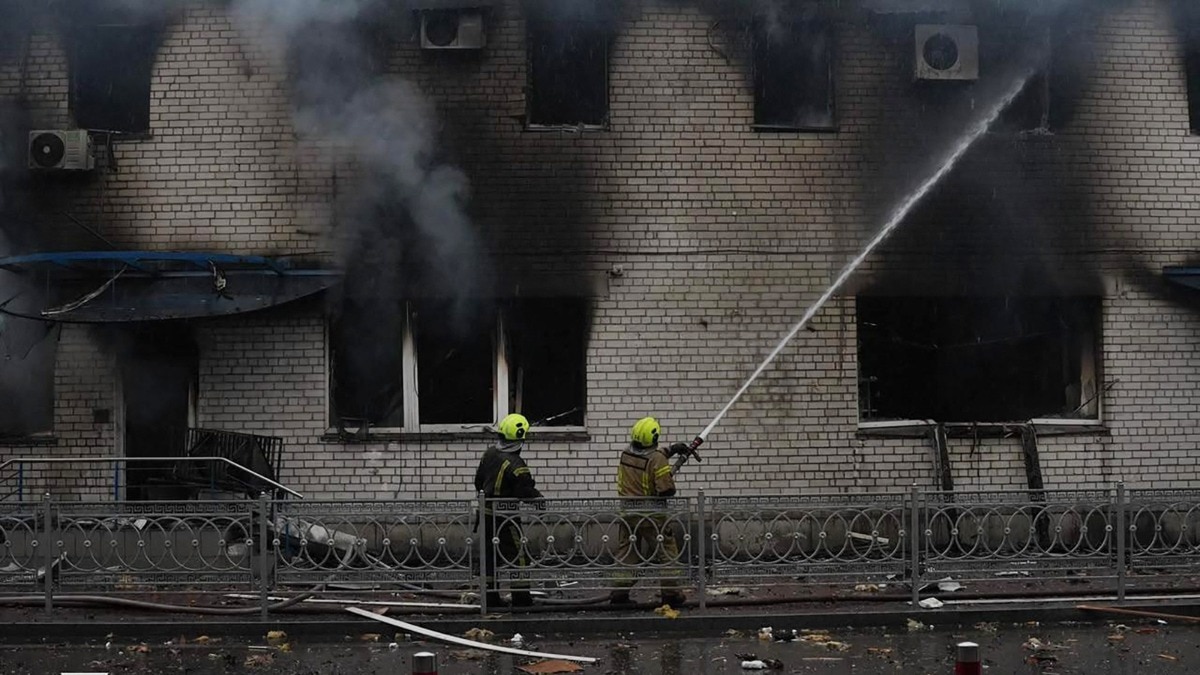
Russian forces launched a massive wave of missile and drone attacks across Ukraine overnight, targeting critical infrastructure and transportation hubs, including key bridges in Kyiv. The assault resulted in three deaths and nine injuries, according to local officials, and left several districts in the capital without power. In a separate development, Ukraine’s energy ministry reported that overnight Russian strikes have left people without electricity across eight different regions.
Retaliation for Kerch Bridge Attacks
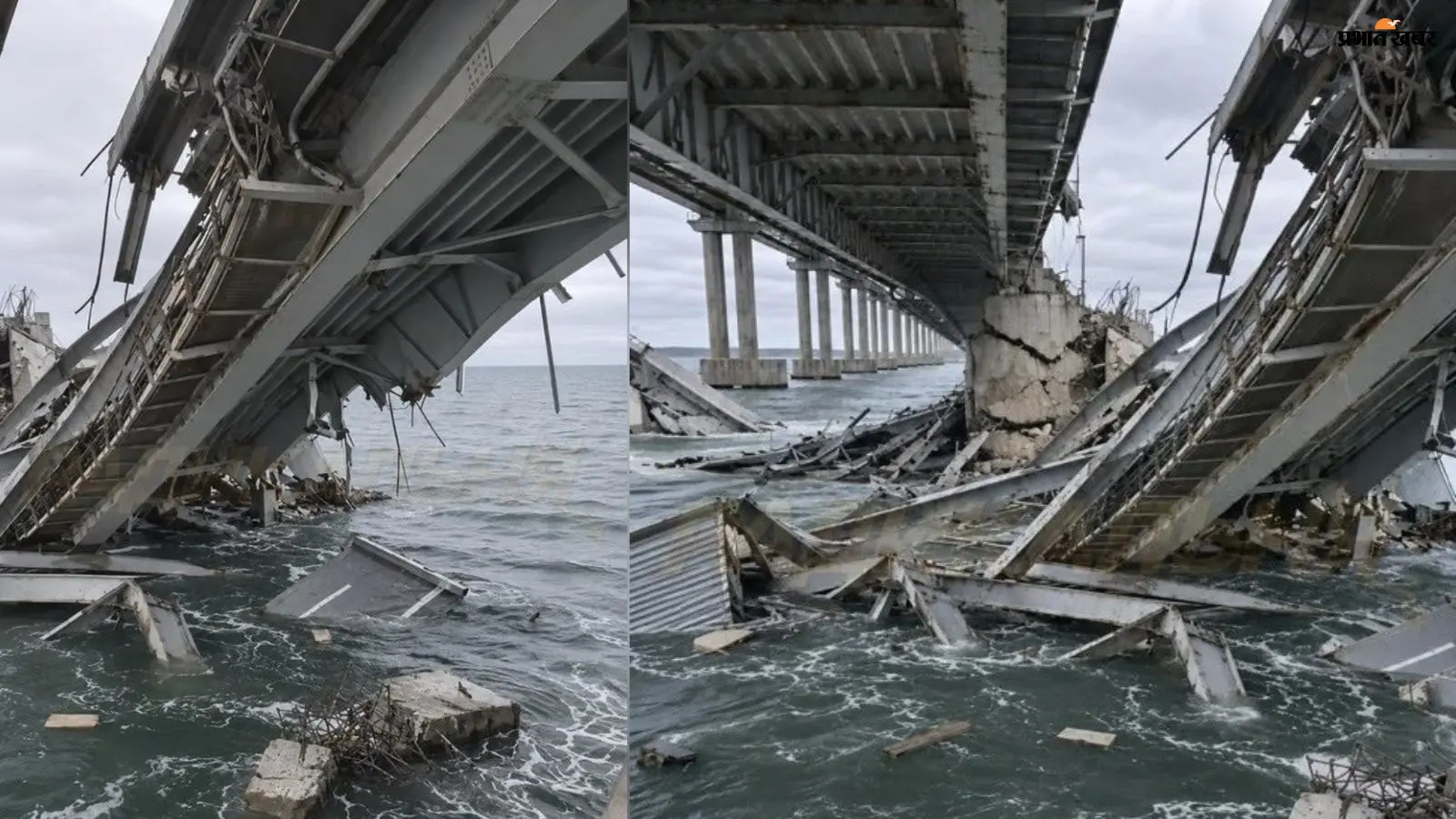
The strikes follow a series of aerial attacks by Ukraine on the Kerch Bridge, which connects Russia to the Crimean Peninsula. Russian President Vladimir Putin had publicly warned that Russia would respond to these operations. In the latest escalation, Ukrainian forces struck the bridge three times in four days, badly damaging its road segments, regional reports say.
Following the night attack, rail traffic on the bridge was suspended as officials assessed the damage. Sergei Aksyonov, the Russian-appointed governor of Crimea, confirmed that traffic was halted and urged citizens to avoid traveling toward the crossing.

Kyiv Mayor Vitali Klitschko confirmed that the Russian barrage hit the Podilskyi, Darnytskyi, and Southern bridges in the capital. Traffic restrictions have been imposed, with the Southern Bridge now limiting crossings to vehicles weighing under 10 tons, while public transport vehicles up to 18 tons are permitted.
The regional administration asked residents and businesses to work remotely to limit travel while the infrastructure is inspected. The Russian Ministry of Defense claimed its air defense systems intercepted 1,441 Ukrainian drones in a single day, a figure that followed a previous claim of 1,336 drones the day prior.
We have been telling Russia for a long time: stop striking bridges, cities and villages, energy infrastructure, railways, ships carrying grain… Enough of this war. But every single time, Russia chooses further escalation. And so Ukrainian missiles and drones have once again… https://t.co/bgcKhxFdxz
Diplomatic Maneuvering in Berlin
The military escalation coincides with high-level diplomatic efforts involving the United States and European allies. Following a video conference involving American envoys Jared Kushner and Steve Witkoff, Zelenskyy announced plans to convene a meeting in Berlin under a Coalition of the Willing to determine concrete joint steps for the peace process.
The discussions in Europe included representatives from France, Germany, Britain, Italy, and Poland, alongside officials from NATO and the European Commission. While the president did not specify a date for the gathering, he emphasized that the current dialogue is focused on establishing a path to end the conflict that began on February 24, 2022.
Nuclear Safety Concerns
Beyond the direct impact on urban centers, international regulators have issued urgent warnings regarding the safety of Ukraine’s nuclear power plants. A statement issued on November 16, 2026, by a coalition of 38 countries—including the European Radiological Protection Competent Authority (HERCA), the Western European Nuclear Regulators Association (WENRA), and the Nordic Radiation Safety Authority (NORA)—highlighted the risks of grid instability.
Volodymyr Zelenskyy, born in 1978 in Kryvyi Rih, built a career in comedy before entering politics. He co-founded the production company Kvartal 95 and starred in the television series Servant of the People, playing a fictional president from 2015 to 2019. A party bearing the show’s name was founded in March 2018, and he won the 2019 presidential election with 73.23 percent of the vote in the second round, the largest landslide in the country’s history.
He took office in 2019, five years after the war began with Russia’s annexation of Crimea and the invasion of Donbas. Zelenskyy remained in Kyiv when the full-scale invasion began on February 24, 2022, declining evacuation offers.
He declared martial law and general mobilisation, and later presented Ukraine’s Peace Formula in late 2022 and the Victory Plan in late 2024. Martial law has extended his term beyond its original May 2024 end date, making him the second-longest serving president after Kuchma.
The International Atomic Energy Agency (IAEA) reported that the war has caused severe disturbances in the electrical grid, forcing nuclear power plants to reduce production. Currently, three of Ukraine’s four nuclear power plants remain operational, providing 80 percent of the country’s electricity needs.